Booking a flight is becoming a little easier for South African travellers, who can now pay with Apple Pay, Google Pay and even crypto while traveling with LIFT.
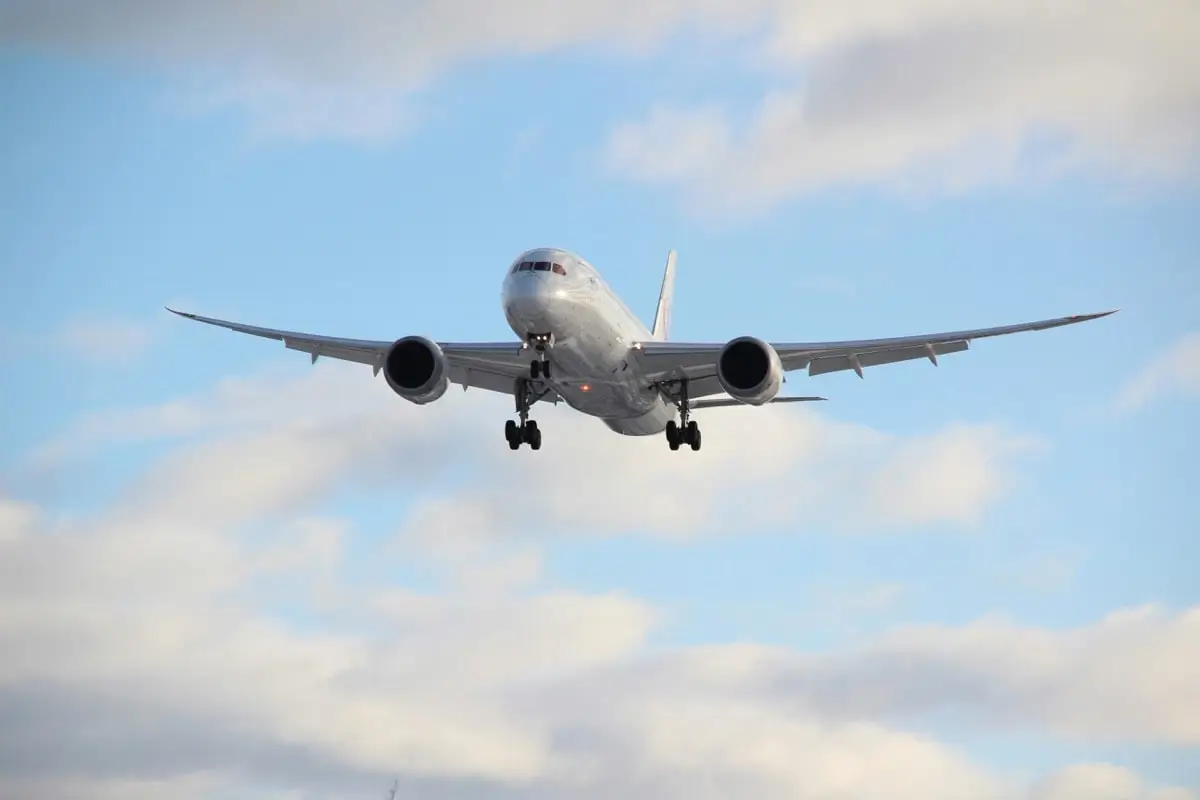
LIFT is becoming South Africa’s first carrier to accept both Apple Pay and Google Pay directly via their website (mobile and desktop), adding cryptocurrency as a method to pay through fintech, Ozow. This update provides customers with more ways to pay and places LIFT in a select group of airlines around the globe that have adopted crypto payments so far.
The new options aim to improve the checkout experience. Rather than manually entering card information, customers can now book with the click of a button on the digital wallet stored on their phone. Customers who would prefer to pay with crypto can use Ozow’s crypto payment platform to process their transaction and convert their crypto into South African rand when purchasing.
While digital wallets have become increasingly prevalent in e-commerce, airlines have been slow to expand their payment options. Most airlines remain primarily dependent on traditional forms of payment, such as credit/debit cards, despite the fact that consumers are asking for quicker and easier ways to check out. And that often works against them, as industry experts are already raising questions of airline businesses being prepared/unprepared for agentic commerce. In the AI-booking scenario, digital wallets and crypto wallets, likely loaded with stablecoins, will prevail rather than bank cards popular today.
For LIFT, the decision has become another opportunity to improve the experience and, ultimately, reduce abandoned bookings.
Crypto is still far from mainstream in aviation
Cryptocurrency is slowly becoming more accepted in many industries, including retail and travel; however, only a few airlines accept it directly.
The first airline to do so was airBaltic, which started accepting Bitcoin as payment back in 2014, and has added different types of cryptocurrency since that time. Recently, Air Arabia has allowed its customers to buy airplane tickets using AE Coin (a stablecoin pegged to the UAE dirham) through its partnership with Mbank. Another example is Alternative Airlines platform, which allows travelers to pay for flights on several hundred different airlines using either Bitcoin or another form of cryptocurrency, but through third-party payment services.
Beyond these examples, however, cryptocurrency remains a niche payment option in commercial aviation. Concerns over price volatility, regulation and accounting have meant that most airlines continue to focus on cards, bank transfers and increasingly popular digital wallets instead. That makes LIFT’s announcement notable.
A growing aviation market is driving digital innovation
According to the IATA, Africa will be one of the world’s fastest-growing aviation markets over the next 25 years. By 2050, expert industry association expects that over 300 million additional passenger journeys will be made in Africa due to increasing incomes, growing populations and urbanisation, as well as improved accessibility.
As a result of competitive rivalry, airlines are now exploring more options for differentiation beyond simply providing competitive fares and/or extensive route networks; they are actively looking at ways to improve the digital experience and the way that customers search, book, pay etc. as part of their overall customer experience improvement strategies.
As Africa prepares for decades of passenger growth, the airlines that make booking simpler, not just flying, may have an advantage in winning the next generation of travellers.