How to Detect Counterfeit Euros
Don’t get caught out by fake euro banknotes this fall

On 24 November, Old Billingsgate brings together the decision-makers, industry leaders and companies shaping financial markets. With a headline Speaker Hall, curated Business Connect Roundtables, One to One meetings and one day to make the right connections, the opportunity starts with being in the room.

The 7th Edition Connected Africa Summit 2026 concluded successfully on 15 October 2026 in Johannesburg, bringing together senior leaders from telecommunications, banking, financial services, regulation, cybersecurity, cloud and enterprise technology to explore the networks, policies and partnerships shaping Africa’s next phase of digital transformation.
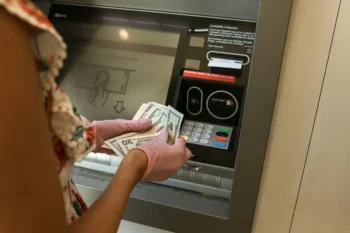
People didn’t want to use paper money a long time ago, but today there are a lot of people who don’t want to have to use digital money and trust good old-fashioned banknotes more than a plastic card

Bank Negara Malaysia (BNM) has launched a new distributed ledger-based platform for the issuance and safekeeping of tokenized bonds and Islamic sukuk, linking digital securities records to round-the-clock settlement in central bank money.

Silver Jubilee edition unites banking, technology and cybersecurity leaders around intelligent banking, digital trust and enterprise modernisation

South Korea’s stock market has taken a sharp turn. After a record rally early in the year, the Kospi has become the worst performing major global index since the start of October.

Weekend unrest in France has added pressure on the government bond market and the banks.

Guess which country has the shortest working week

Bank of England Governor Andrew Bailey and IMF Managing Director Kristalina Georgieva warned at the IMF and World Bank meetings in Bangkok that the rise in cyberattacks could seriously undermine trust in the financial system.
The U.S. Treasury Department announced a fine of more than $1.2 billion against Bank of America.

The Monetary Authority of Singapore (MAS) has completed two pilot issuances of tokenized bills, settled using wholesale central bank digital currency (wCBDC).

The U.S. Securities and Exchange Commission (SEC) has approved a five-year temporary “Innovation Exemption” that allows tokenized shares of publicly traded companies to be traded on public blockchains.

This September, Paymentus Holdings Inc. and PYMNTS Intelligence released the Service Commerce Performance Gap Report study measuring differences between what consumers expect from billing and payment experiences and what service providers believe they deliver. PaySpace Magazine team sat down with Chris Trainor, Head of Platform Strategy, Innovation and AI at Paymentus, to discuss the findings […]

Morgan Stanley has postponed the launch of tokenized stock trading through its alternative trading system until the first quarter of 2027.
Standard Chartered has launched custody services for Ripple’s RLUSD stablecoin on the XRP Ledger (XRPL).
© 2026 PAY SPACE, LLC
03148 Ukraine, Kyiv, 2A P.Kurinoho str.