Another small step for man occured on April 10 when NASA’s Artemis II crew splashed down in the Pacific. The first astronauts to travel beyond low Earth orbit in more than 50 years returned successfully. First thing you think about is a clear triumph of aerospace engineering. What’s often left behind the scenes is that the flight was also a quiet validation of cloud infrastructure playing a pivotal role in deep space exploration.
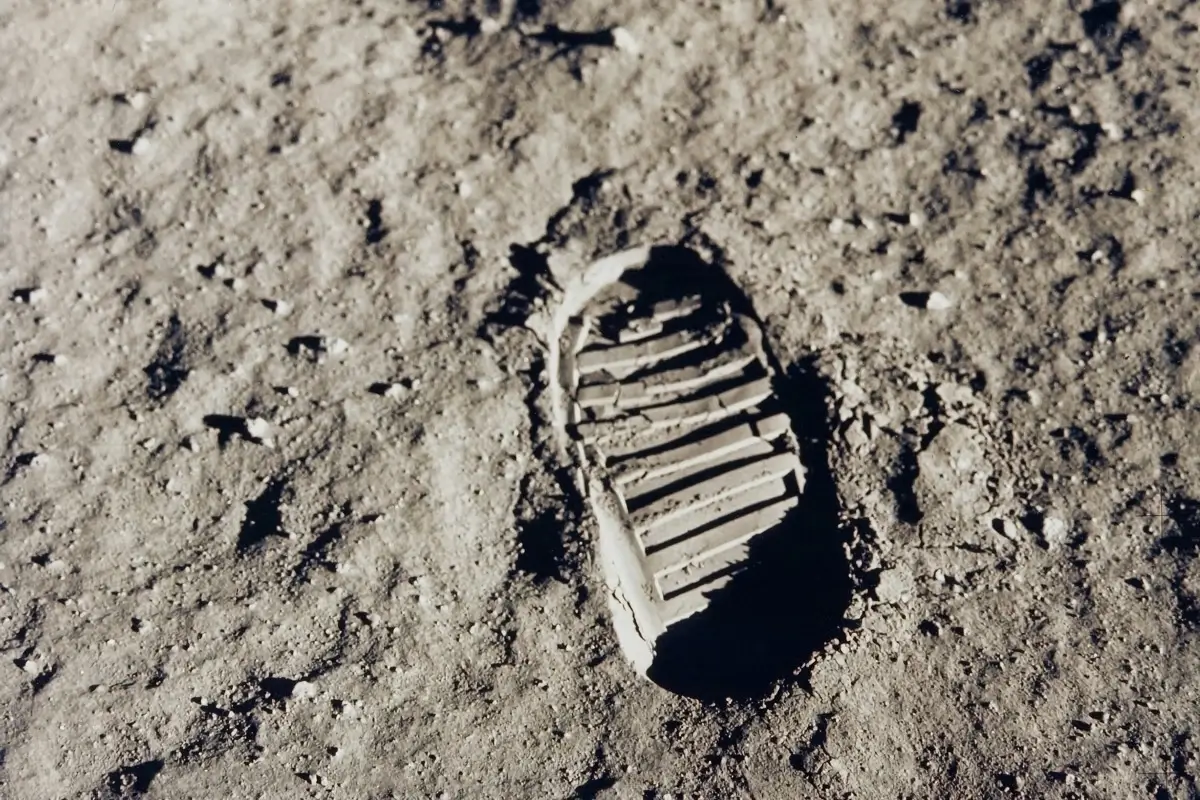
NASA’s flight sciences team relied on Amazon EC2 running in AWS GovCloud as the primary compute platform for trajectory analysis — the precision calculations that kept the Orion spacecraft on its exact path around the Moon and back, particularly during the critical first 48 hours after launch. One cannot phatom the ethereal nature of the stunning 4K images and video beamed back from the Orion capsule. Those gave the world its clearest view yet of the lunar far side and a total solar eclipse framed against the Moon’s surface. And, notably, they were also transmitted involving Amazon’s cloud. Namely, via NASA’s Artemis II Optical Communications System over the AWS global network.
AWS CEO Matt Garman marked the occasion with a direct acknowledgment of the firm’s further endeavours in the space mission segment: “As NASA looks ahead to the planned lunar landing in 2028, we’re honored to support what comes next.”
That next step is already taking shape. Artemis III, planned for next year, will see a yet-to-be-named crew practice docking their Orion capsule with a lunar lander in Earth orbit — a risk-reduction exercise modeled after Apollo 9’s low-Earth-orbit test of the lunar module in 1969. The docking mechanism for that trial run is already at Kennedy Space Center.
The real stakes, however, are set for 2028. Artemis IV will aim to land two astronauts near the Moon’s south polar region, where vast amounts of ice locked in permanently shadowed craters could yield water and rocket fuel for a permanent base — a facility NASA Administrator Jared Isaacman has estimated would cost between $20 billion and $30 billion. SpaceX‘s Starship and Blue Origin’s Blue Moon are competing to be the lander that makes it happen.
For AWS, the Artemis program represents a long-term infrastructure play. As missions grow more complex and data-intensive, cloud services are expected to play an increasingly central role in managing, analyzing, and securing mission-critical information. Trajectory modeling, real-time telemetry, high-bandwidth video transmission… Tasks that once required dedicated on-site supercomputers are now being handled in the cloud, at scale, from Earth.
The Moon is the immediate destination. But the architecture being built to get there is designed to go much further.