Vienna-based deeptech startup Vitrealab has raised €9.4 million in Series A funding to accelerate development of its light-engine technology for augmented reality (AR) glasses, a critical component seen as key to mainstream AR adoption.
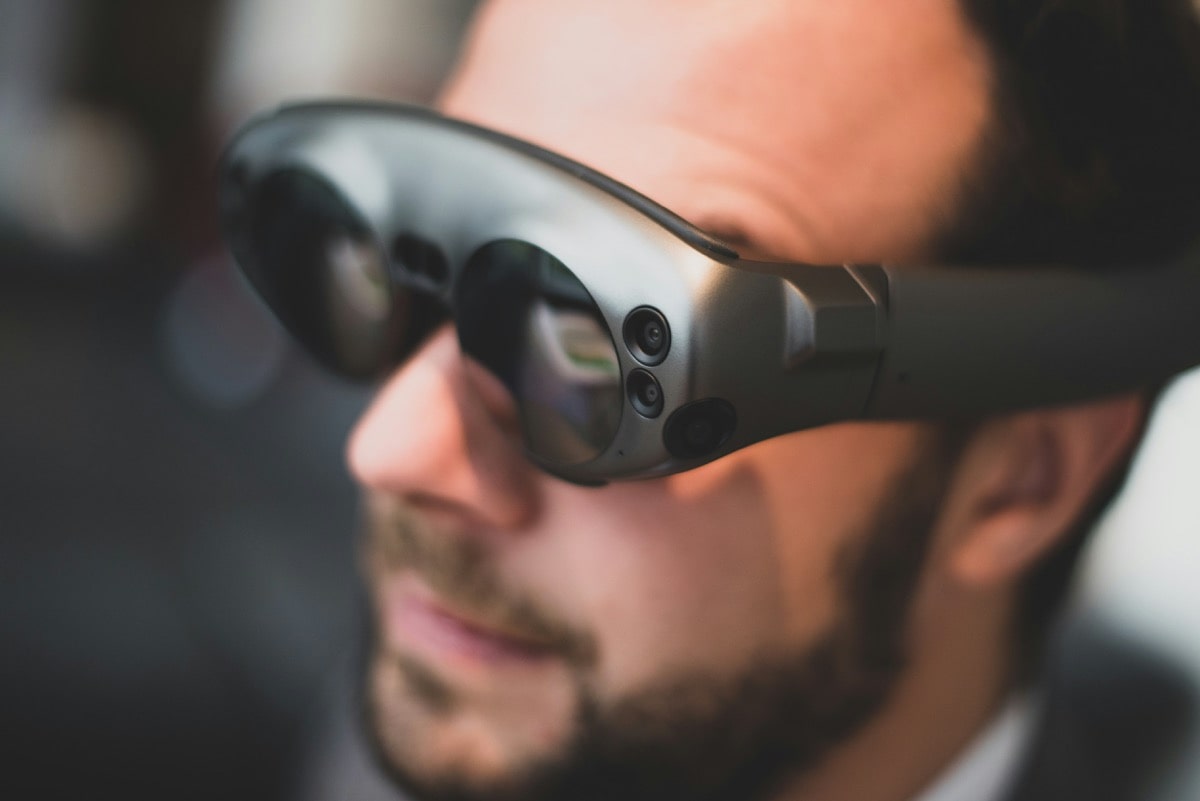
Vienna’s Vitrealab has secured a €9.4 million Series A round to industrialise its Quantum Light Chip (QLC) and bring high-performance AR glasses closer to everyday reality. The round, reported as oversubscribed, signals growing investor conviction that the next big leap in AR will come not from apps, but from breakthroughs in display hardware.
AR smart glasses superimpose digital content onto the real world and are used across industries such as manufacturing, logistics, healthcare, defence, retail, and navigation. They enable remote assistance, step-by-step maintenance guidance, hands-free data visualisation for surgeons and engineers, immersive training, and new consumer experiences. However, widespread adoption has been slowed by familiar hurdles, such as bulky designs, limited brightness outdoors, short battery life, narrow fields of view, eye strain, and high production costs.
This is where Vitrealab’s technology is positioned to make a difference. The company develops light engines based on photonic integrated circuits designed specifically for compact AR glasses. Its Quantum Light Chip guides and shapes laser light with high precision, enabling brighter images, lower power consumption, better beam quality, and slimmer device form factors compared with conventional approaches. The company stated that the technology is designed to unlock lighter, more comfortable glasses with visuals visible even in daylight, addressing some of AR’s hardest engineering challenges.
Investors see strong momentum in AR markets but recognise that hardware still represents the main bottleneck; they view scalable, energy-efficient display technologies as the missing link between prototypes and mass-market wearables. Vitrealab’s vertically integrated approach, from chip design to fabrication, was highlighted as providing faster iteration and smoother industrialisation, strengthening its appeal to hardware manufacturers.
The funding will be used to industrialise the Quantum Light Chip, expand production capabilities, deepen partnerships with AR device makers, and accelerate customer pilots. The company plans to push its technology from lab-proven concepts into reliable, manufacturable components ready for integration into next-generation glasses.
Founded as a spin-off from the University of Vienna’s quantum research community, Vitrealab combines academic roots with commercial ambition. The new capital positions it to play a key enabling role in an ecosystem where demand for AR in field service, smart factories, telemedicine, and consumer experiences is rapidly growing.
With this funding round, Vitrealab moves closer to solving one of AR’s toughest challenges — creating small, bright, power-efficient displays, and to powering the wave of lightweight AR glasses many in the industry see as the future of computing.