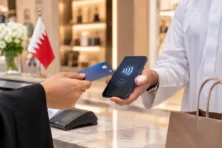
Today, we debunk the 5 most common myths which may prevent you from using contactless payments.
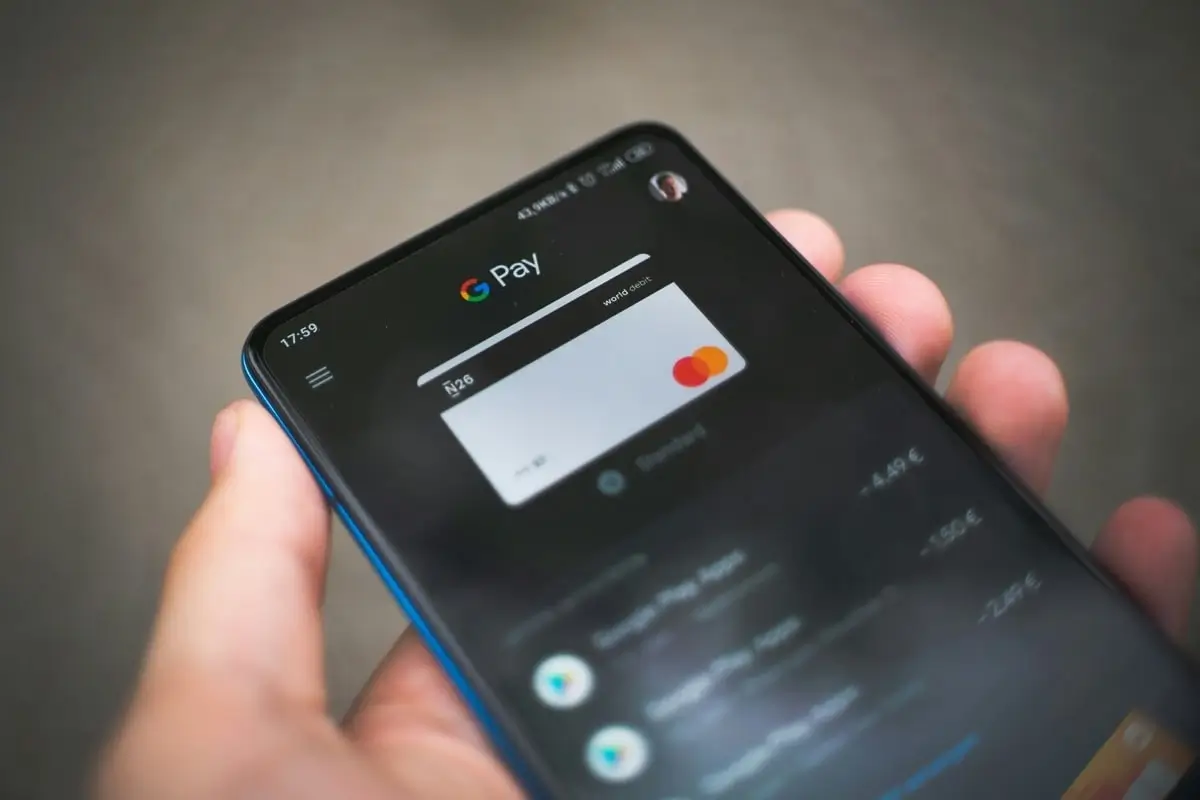
Most customers nowadays prefer to use bank cards instead of cash for daily purchases. However, contactless payments via mobile phones, smartwatches or bank cards remain shady in many parts of the world. Not only buyers are afraid to use them, but also some retailers stick to their traditional card-reading terminals. The main doubts concern their security.
What Is a Contactless Payment?
If you are still asking yourself what is a contactless payment, the answer is simple. It is a way to pay by holding a card, phone or wearable near a terminal instead of inserting the card or swiping it. The technology behind it is NFC, or near-field communication. NFC and contactless payments go hand in hand: the chip in your card or device exchanges a short, encrypted message with the terminal over a distance of a few centimeters, and the bank confirms the transaction. No personal data leaves your card in the process, which is why NFC and contactless payments are considered at least as secure as traditional card purchases. Let’s take a look at some common myths that prevent people from going contactless.
A thief can bring a terminal close enough to your contactless card or device to carry out an illegal transaction
To begin with, obtaining a contactless payment terminal is not that easy. There is a lot of bureaucracy involved. All the terminals must be officially registered and identified. As a result, they can be easily traced. Moreover, there are limits to the sums available for contactless payments. They differ from country to country, and from bank to bank. The common thing is that usually, the sum is not that large. Significant expenses still require a PIN code or another form of verification, and banks may also ask for it after several contactless purchases in a row. The signal itself works only over a few centimeters, so a terminal has to be practically touching your card or device.
A thief can get access to your contactless electronic information and falsify your data on a fake bank card that can be used in shops
The information transferred between the card/device and the payment terminal is only a unique transaction code. It concerns both contact and contactless purchases. Your personal data is encrypted and secure. The code is generated for each payment and cannot be reused, so intercepted data is of no use for a second transaction. It is impossible to counterfeit your sensitive information without physically stealing a card. Moreover, contactless cards do not bear your PIN code, so even if a thief knows your name and card number, they cannot use it properly. Every card is unique, a copy cannot be created.
A thief may get your contactless card data and use it for online purchases or ordering by phone
Online or phone purchases are even harder to make than ordinary shopping. These kinds of payments require personal information such as the cardholder’s name, card number, and a CVV code. Online payments also often come with an extra confirmation step in a banking app or by a one-time code. The data needed for them is never transmitted via contactless payments. Your card data security does not depend on the contact type. This feature changes only the type of interaction with a terminal and its speed.
Thieves can steal your identity data from contactless cards
Once again, contactless cards do not transmit any personal data. They are not required for terminal-card interaction. Your name or address remains unknown with contactless payments. Do not forget about protective card sleeves and wallets that can hide your card from anyone who’d like to read your data. In the case of card-reading terminals that require direct contact, those are impossible to use. Hence, your data is even safer with contactless cards.
If someone steals my connected watch, they can hack my account
Connected devices possess even less banking information than a contactless card. The card number is encrypted via the “token” system. This enciphered number needs to be decrypted by the card issuer before any transaction is allowed. In addition, a smartwatch or a phone has to be unlocked with a passcode or a biometric check before it can pay. Finally, the payment feature is disabled when you take your watch off. If a device is lost, most providers allow you to block it remotely and remove the cards from it without cancelling the physical card.
Bottom line
In conclusion, people should not think that the inventors of the new contactless technologies did not think it through before implementation. Ignorance is often the main barrier to progress. We must not make uninformed decisions about any new technologies that may facilitate your life.