By 2026, hardly anyone needs someone to explain what is crypto. Bitcoin, the original decentralized cryptocurrency launched back in 2009, made sure of that. Mining, once a niche hobby for early adopters, has grown into a global industry with its own hardware ecosystem, dedicated pools, and a steady stream of crypto mining news covering everything from network difficulty shifts to new ASIC releases.
If you’re still working out what is crypto mining and how it actually fits into the bigger picture, or you want a step-by-step sense of how to mine cryptocurrency before spending any money, it’s worth getting the fundamentals straight first.
Answering what is the best cryptocurrency to mine is harder than it sounds, because profitability depends on several moving parts at once: electricity costs, hardware efficiency, network difficulty, and the coin’s own price trajectory. But one thing hasn’t changed since the earlier days of the industry. Picking the right coin still matters. Get it wrong, and you can burn through hardware and electricity bills without ever breaking even.
The list of the most promising cryptocurrencies to mine in 2026:
Bitcoin (BTC)
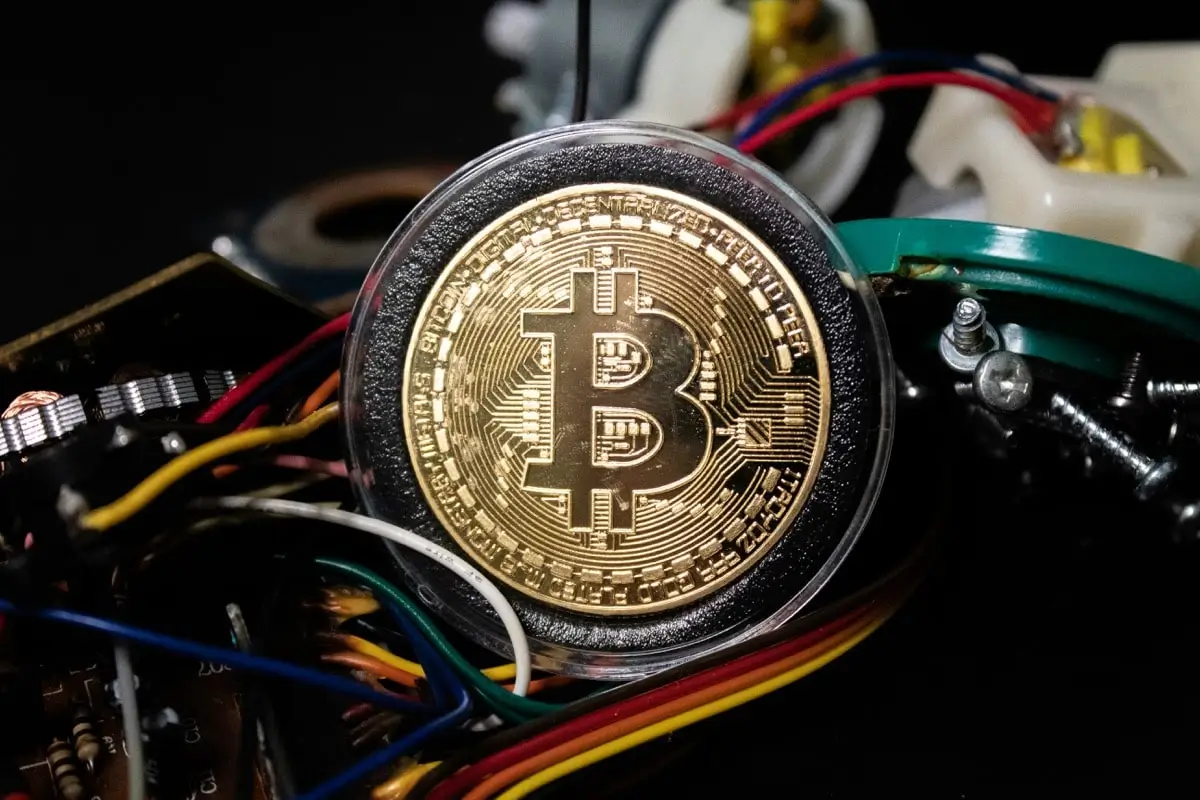
Bitcoin mining looks nothing like it did in the industry’s earlier years. ASICs and industrial-scale operations with access to cheap electricity now dominate the network, and profitability has narrowed to a fairly specific band. Most analysts put the break-even point somewhere around $0.08–$0.10 per kWh, with anything above roughly $0.12 turning into a loss for most home setups. Even so, Bitcoin remains the largest cryptocurrency by market cap, and for miners with efficient rigs and cheap power, bitcoin mining is still considered the most reliable long-term play.
Monero (XMR)
Monero has held onto its reputation as the gold standard for privacy-focused mining. Its RandomX algorithm was built specifically to resist ASIC dominance, so regular CPUs, including modern multi-core chips, can still mine it efficiently. That accessibility, combined with default-private transactions, keeps Monero popular among hobbyist miners who’d rather not invest in specialized hardware.
Kaspa (KAS)
Kaspa is one of the newer names on this list, and its blockDAG architecture has drawn a fast-growing mining community. The kHeavyHash algorithm allows for quick block validation on relatively low-power GPUs, and the network’s speed and scalability have made it a frequent subject in recent crypto mining news cycles.
Litecoin (LTC)
Litecoin remains a veteran of the space, and mining it in a pool is still the most efficient approach. What’s changed since its earlier years is how closely it’s now tied to Dogecoin — the two coins are merge-mined on the same Scrypt-based hardware. This peer-to-peer cryptocurrency continues to offer fast, low-cost transactions, and it’s still one of the more approachable entry points for anyone just learning how to mine cryptocurrency.
Dogecoin (DOGE)
Dogecoin’s mining profitability has held up well, largely because of that Scrypt-based merge mining with Litecoin — one set of equipment secures both networks at once. Its hash rate has grown substantially in recent years, a sign of how much mining interest the coin has kept despite starting out as a joke.
Dash (DASH)
Dash is not the easiest cryptocurrency to mine. Its X11 algorithm supports both ASIC and GPU mining, but competition on the network remains stiff. That hasn’t stopped it from staying relevant though. Dash’s combination of speed and privacy continues to appeal to miners and users who want both in one coin.
Ethereum Classic (ETC)
Ethereum moved to Proof-of-Stake back in 2022, closing the door on GPU mining for the original chain. Its fork, Ethereum Classic, absorbed much of that leftover GPU demand. Running on the Etchash algorithm and requiring cards with at least 4–6 GB of memory, ETC has become one of the more lucrative options for anyone who already owns GPU rigs built for the pre-merge Ethereum era.
Tips for Profitable Mining
If you’d started mining Bitcoin back in 2009, there’s a decent chance you’d be a wealthy person today. But hindsight is easy. In reality, bad luck, mistimed bets, and wrong calls on which coins were worth mining have wiped out plenty of miners along the way. Bitcoin was the only game in town back then; today there are thousands of cryptocurrencies to mine and trade, and the math is far more complicated.
Before buying any hardware, it helps to understand the difference between mineable and non-mineable coins. Mineable coins are blockchain-based and secured through Proof-of-Work, which is what miners actually contribute computing power toward. Several major coins, e.g. Ethereum, BNB, Cardano, and Solana among them, have shifted to Proof-of-Stake models, meaning they can only be bought or staked, not mined.
ASIC-resistant, GPU- or CPU-based coins tend to be the more realistic starting point for beginners. They don’t demand the same upfront investment in specialized hardware that bitcoin mining does, and some like Monero and Ravencoin can still run on a decent home computer. Just don’t expect to get rich quickly. Treat it as a modest, ongoing return rather than a shortcut. And stay wary of anything marketed as crypto mining free or of free crypto mining apps promising effortless returns with no hardware or electricity costs attached. If a setup sounds too easy to be true, it usually is, and plenty of these apps exist mainly to harvest personal data or push undisclosed fees.