A dangerous property condition can exist long before anyone gets hurt. A spill may be left on a store floor, a cracked walkway may remain unrepaired, or a broken step may continue to pose a risk to visitors. The important question is not simply why someone fell, but why that hazard was still there. In Marlton, NJ, these details can become especially important in a premises liability case.
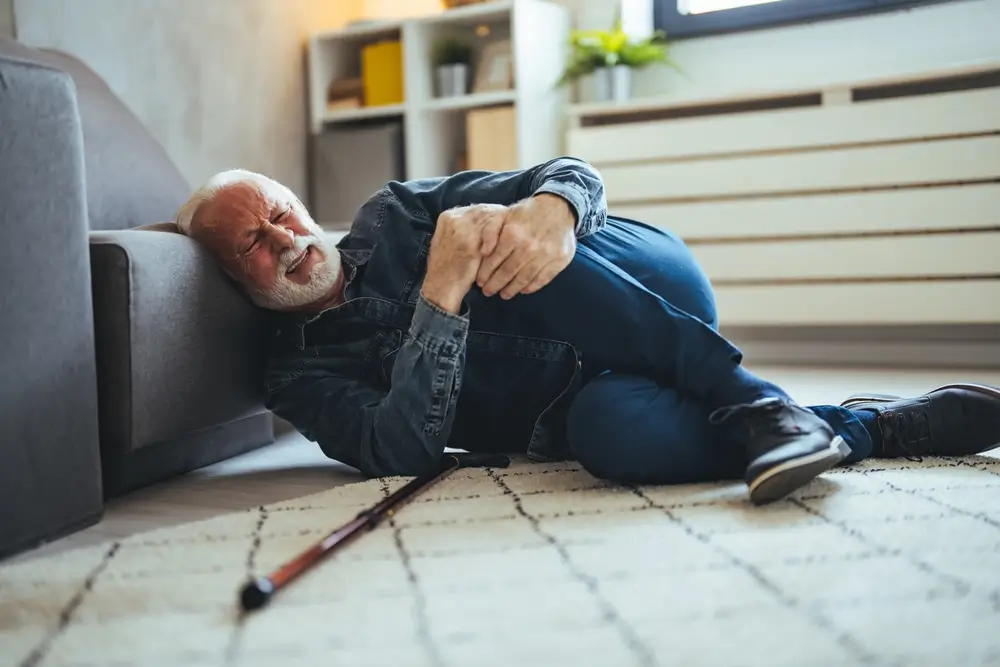
A slip and fall lawyer in Marlton, NJ may look beyond the injury to determine whether a property owner or manager knew about the unsafe condition, had enough time to correct it, or should have discovered it through reasonable care. Proving negligence often depends on small details that may seem unimportant at first, but can help explain who was responsible for the accident.
What Makes a Fall a Negligence Case?
Not every fall on someone else’s property means the owner is legally responsible. A claim generally requires facts showing that a dangerous condition existed and that the property owner or manager failed to act reasonably.
Common hazards can include:
-
Spilled liquids or freshly cleaned floors without proper warnings
-
Cracked sidewalks, uneven flooring, or loose carpeting
-
Broken stairs, missing handrails, or damaged steps
-
Poor lighting that makes hazards harder to notice
-
Objects, cords, or debris left in walking areas
The issue is whether the responsible party knew about it, created it, or should have discovered it through reasonable inspection and maintenance. That difference can shape a claim.
Four Details That Can Reveal Property Negligence in Marlton
1. Finding the Exact Hazard
A clear account of what caused the fall is a strong starting point. Was there water on the floor? Was a sidewalk raised? Did a loose mat move under someone’s feet? Photographs can show both the setting and the specific condition.
2. Showing What the Owner Knew
Knowledge can be shown in different ways. A store employee may have received a complaint about a spill. A maintenance worker may have noticed a broken fixture. Previous reports may show that a problem had already been identified.
Constructive knowledge may also apply if a hazard existed long enough, or was obvious enough, that a reasonable owner should have discovered it. Maintenance schedules, inspection records, and cleaning logs may help establish this point.
3. Connecting the Hazard to the Injury
A property problem alone does not prove that it caused an injury. The evidence should connect the dangerous condition to the fall and resulting harm. Medical records can help document injuries, treatment, and recovery. A consistent account can also help explain how the hazard led to the injury.
4. Preserving Useful Evidence
Evidence can disappear quickly. A spill may be cleaned, a damaged step may be repaired, or security footage may later be unavailable. Helpful evidence may include:
-
Photos or videos of the hazard
-
Names and contact details of witnesses
-
Copies of incident reports
-
Relevant medical records and bills
-
Messages or notices about the property condition
Keeping these records organized can make it easier to establish what happened and why.
Why the Aftermath Can Shape the Case
Information collected after a fall can remain important long after treatment. Reporting the accident to the appropriate property manager creates a record of the event. It is also useful to document the area, gather witness information, and follow medical advice.
Keeping notes about symptoms, appointments, missed work, and other effects can show how the injury affected daily life.
Care also matters in communication. A person does not need to guess why a hazard existed or accept blame before all the facts are fully known. Simple, accurate statements about what happened are generally more useful than assumptions.
How Legal Investigation Can Find What Is Not Obvious
Some evidence cannot be found simply by looking around the property. A legal investigation may examine surveillance footage, inspection records, maintenance policies, employee reports, photographs, and witness accounts.
A slip and fall lawyer in Marlton, NJ can also look at how long a condition may have existed and whether the property had reasonable procedures for finding and correcting hazards. This review can help show whether the condition should have been addressed.
The goal is not to label every accident as negligence. It is to compare the facts with the responsibilities that applied to the property owner or manager.
Why Negligence Matters Beyond the Fall
The consequences of a fall can reach far beyond the initial injury. Medical treatment may create expenses. Time away from work can reduce income. Pain, limited movement, and changes to everyday activities can affect a person’s quality of life.
A claim may seek legally recognized losses, depending on the facts. However, the seriousness of an injury does not automatically establish liability. Evidence about the property condition, the owner’s knowledge, and the connection between the hazard and injury remains important.
Conclusion
A slip and fall does not always begin and end with a person’s misstep. Sometimes, the bigger story is the unsafe condition that made the accident possible. Identifying that condition, showing whether the responsible party knew or should have known about it, and preserving evidence can help uncover what happened. For someone dealing with an injury after a property accident, speaking with a slip and fall lawyer in Marlton, NJ can help clarify whether the available facts support a negligence claim and what legal options may be available.