The three-day event is expected to gather over 15,000 attendees in discussions of Africa’s participation in the AI economy and the need to achieve greater digital sovereignty
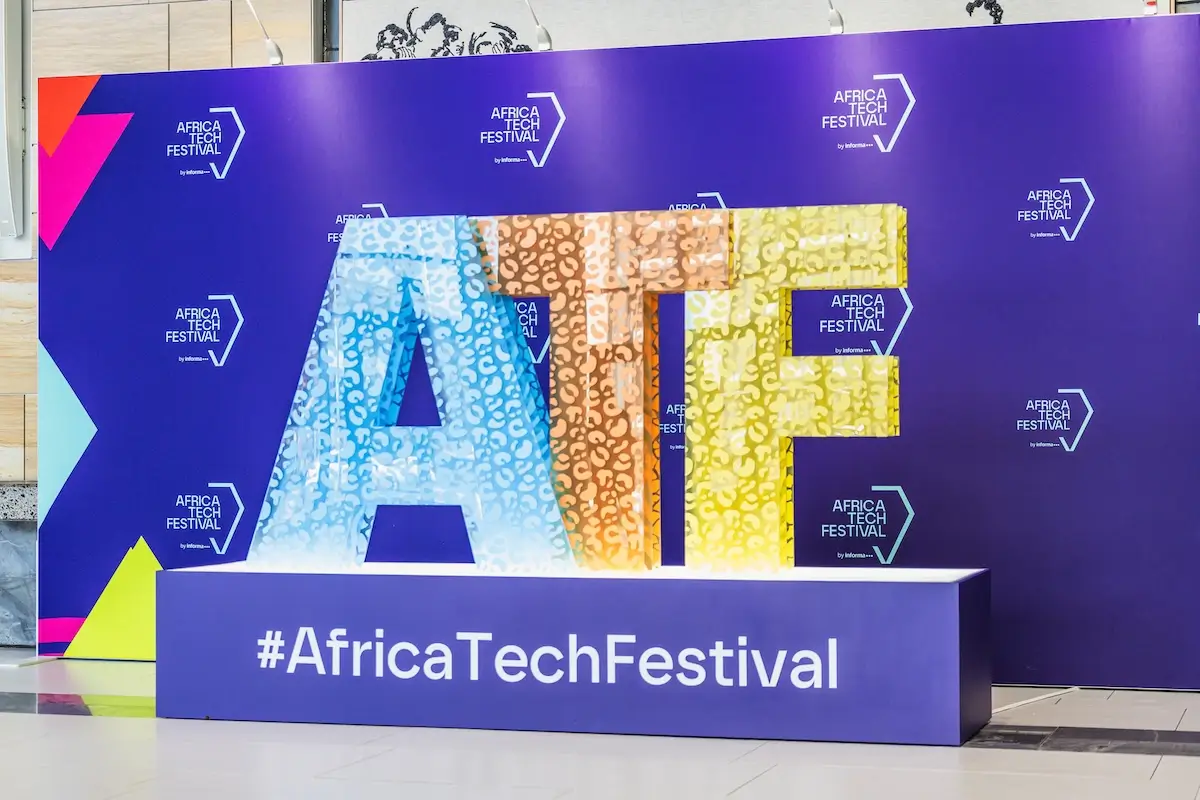
Africa Tech Festival, one of the longest-running and most influential local tech events, opened its 29th edition at the Cape Town International Convention Centre on Nov.17.
The programme of the festival that enters its final day today revolves around importance of developing Africa’s own AI capabilities. This topic drew solid participation from senior enterprise and telecommunications executives. Around 15 thousand participants will use the platform this year to engage with decision-makers, explore new business and make new partnerships.
H.E. Paul Mashatile, Deputy President of the Republic of South Africa officially opened Africa Tech Festival. He stressed that the continent’s goal in modern AI economy is to move away from simply consuming innovative technologies developed elsewhere towards building its own digital capabilities. That’s the only way Africa can secure a competitive position in the global tech landscape today.
“We will compete by solving our own challenges, harnessing our own talent, building our own capabilities, and creating solutions that the world will want to use,” he said.
The priorities for the continent in this respect, according to Mashatile, should be:
- future-ready digital infrastructure,
- digital skills,
- commercialising African innovation,
- cybersecurity and responsible AI governance,
- regional integration.
Ben Cheick Haidara, Deputy CEO and Chief Operating Officer of Orange Middle East and Africa, added to the conversation by stressing affordability, digital skills and trust as critical aspects that will enable Africa’s more independent and active participation in the AI economy. He reminded that the continent can excel in financial technologies that address local citizens’ needs, using the success of mobile money as one good example of digital sovereignty and leadership. That once again emphasised the importance of developing native AI applications that address local everyday challenges, such as solutions where African languages are incorporated.
“The opportunity relies on the fact that we are able in Africa to build local solutions, to solve real needs, to solve real problems,” he said.
In fact, Orange is one of the several companies that try to localize AI services for African countries. It has joined coalition of more than 60 organizations focused on increasing linguistic diversity in AI models. On Nov.17, the firm also released five fine-tuned, open-weight large language models (LLMs) incorporating Wolof language on Hugging Face. Those are now available free of charge for non-commercial use.
Wolof is the most widely spoken language in Senegal. It is used daily by over half of the local population and spoken natively by around 40%. Parts of Gambia and Mauritania also use the language. At the same time, one would not expect popular U.S.-made AI chatbots to automatically feature this or other African languages. And that limits accessibility of conversational AI assistants to people speaking more globally common languages.
“The future of digital in Africa must undoubtedly be built around the languages people speak every day, easing communication and improving access to vital services. The publication of these models is more than a technical milestone; it delivers on a promise to make a real difference to people’s lives,” said Ben Cheick Haidara, Deputy CEO and Director of Operations, Orange Middle East Africa.