Showroom.fm has launched a first-of-its-kind platform that finally makes the physical showroom visible to AI assistants, search engines, and consumers asking, “Where can I see this today?”
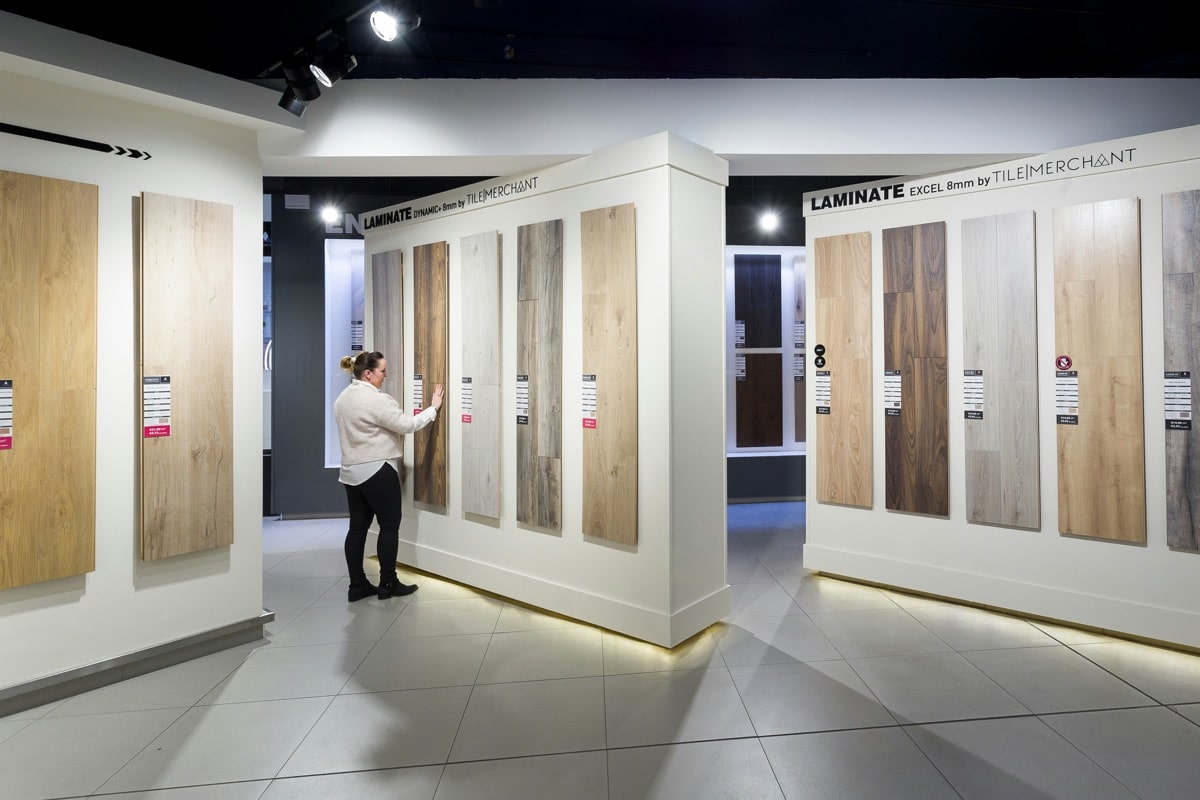
Showroom.fm, a Berlin-based tech startup, announced the launch of a new platform designed to solve one of physical retail’s most persistent challenges: the internet has never known what’s actually on display inside stores.
As shoppers increasingly rely on AI instead of browsing websites, retailers have lacked a standardized, machine-readable way to publish real-world showroom information. The new Showroom.fm solution addresses precisely that gap.
Showroom.fm enables retailers to publish their on-display items in a unified, AI-readable format built on schema.org, the open structured-data framework used across the global web by search engines and AI assistants, conventions. With a simple dashboard, free starter account, embeddable modules, and optional API access, retailers can update their showroom in minutes and instantly make those changes available to AI assistants, search engines, manufacturers, and digital agencies.
This launch marks a major milestone for physical retail visibility. Traditional POS and inventory systems track stock, but not what is physically placed on the showroom floor. That absence means AI assistants cannot reliably answer the most common high-intent question in categories like furniture, vehicles, electronics, or luxury goods: Where can I try this today?
The platform arrives alongside an important development in the global structured-data ecosystem. Showroom.fm initiated and contributed to the creation of displayLocation, a new schema.org property that formally represents whether an item is physically on display at a real-world location. The property has been accepted into the schema.org code base and is scheduled for public release, paving the way for retailers, manufacturers, museums, galleries, and exhibitions to publish standardized “on display” information.
“Most physical stores still have no practical way to keep the internet updated on what’s actually on display,” said Vasco Sommer-Nunes, founder of Showroom.fm. “Consumers want to experience high-ticket items like furniture, cars, or luxury goods before they buy them — but AI systems have very little structured data to work with. Showroom.fm gives retailers a simple way to publish what’s on their floor today.”