Your games can keep players hooked. Your payments can send them running.
If a player is ready to deposit but the payment fails, or if a winner requests a withdrawal and experiences delays, the quality of your platform’s design becomes irrelevant. Players care most about timely and reliable movement of their funds.
This is the challenge with iGaming payments. Complicated checkouts, limited payment options, or slow withdrawals can cause players to leave. As operators expand into new markets, managing payment infrastructure becomes increasingly complex.
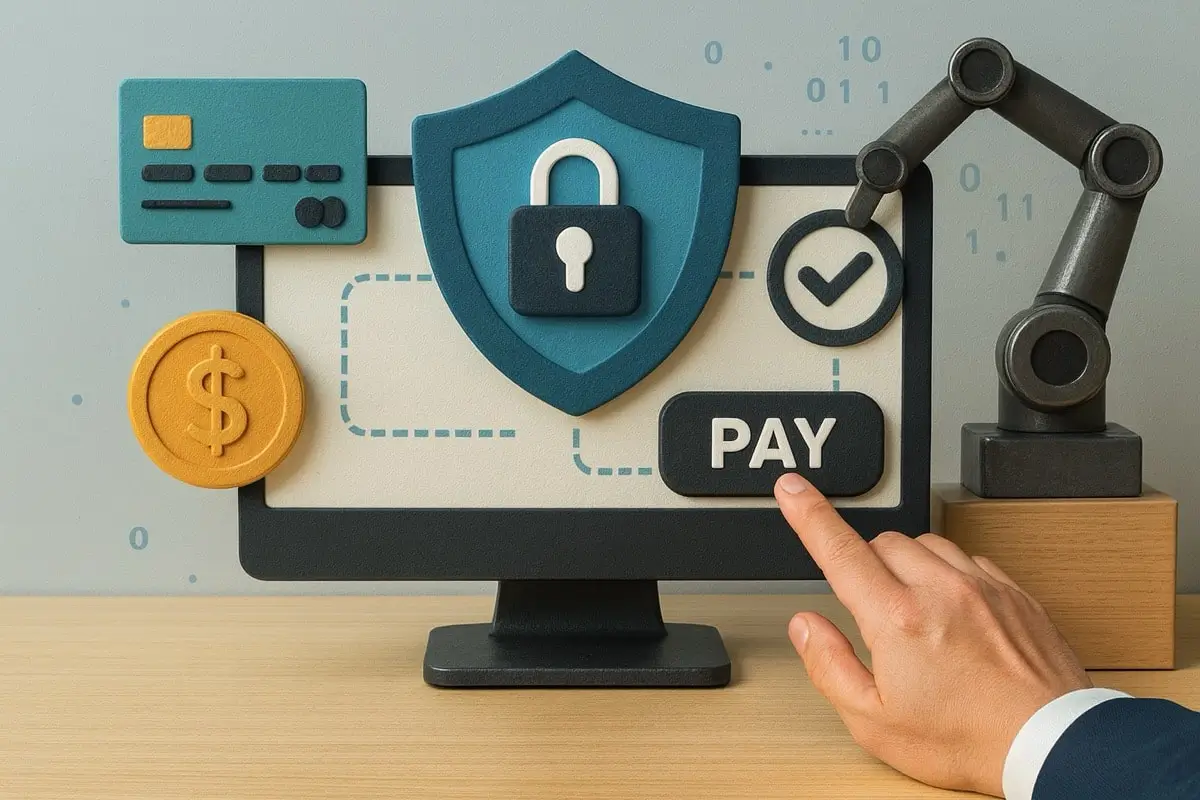
Selecting the right iGaming payment gateway involves more than processing transactions. It requires convenient deposits, reliable payouts, and streamlined payment operations.
To distinguish a gateway that merely transfers funds from one that truly supports your business, consider these 10 essential features.
1. Multiple payment methods
Not every player wants to pay the same way. Some prefer cards or digital wallets, others want cryptocurrency options. Restricting choices adds friction at checkout.
A capable iGaming payment solution should support methods that match your audience, target markets, and business model. Evaluate available methods, their regional coverage, and how easily players use them on mobile devices.
2. Fast and reliable casino withdrawals
Winning feels great. Waiting days for the money? Not so much.
Slow withdrawals frustrate players, increase support requests, and erode trust. For casino operators, payout delays can turn a positive experience into a reason for players not to return.
An effective iGaming payment gateway should enable faster casino withdrawals, automated withdrawal workflows, transaction tracking, and approval controls.
Crypto payouts through Bitcoin, the Lightning Network, and stablecoins provide additional withdrawal options. Rules-based processes help teams manage payouts efficiently.
3. AI-powered payment risk management
Spot the red flags before they become costly problems. Suspicious deposits, unusual withdrawal patterns, and fraudulent transactions can put iGaming revenue at risk. Manual checks alone can struggle to keep up as transaction volumes grow.
An effective iGaming payment gateway should use AI-powered risk scoring, real-time monitoring, and suspicious activity detection to flag potential threats faster. This helps operators focus on high-risk transactions, reduce manual reviews, and protect legitimate players from unnecessary payment friction.
4. Secure crypto custody
Accepting crypto is only the first step; securing it is equally important. iGaming operators must safeguard player balances, settlement funds, and operational wallets from unauthorized access or mismanagement.
A reliable payment gateway should offer secure crypto custody through strong wallet controls, effective private key management, and defined access permissions.
Centralized asset management streamlines treasury operations, reduces manual processes, and enables teams to manage funds efficiently without multiple tools.
5. International payment capabilities
Expanding into new markets introduces more than currency conversion. Payment preferences, blockchain access, local regulations, and withdrawal expectations can vary significantly between regions.
Your provider should explain which countries, currencies, assets, and transaction routes it supports. A reputed iGaming payment gateway includes Bitcoin and stablecoin payments, along with conversion and settlement options that operators can evaluate for their treasury needs.
6. Reliable processing and high acceptance
A payment option is useful only when transactions can be completed consistently. Failed deposits frustrate players and can leave operators investigating whether the cause was insufficient funds, incorrect details, network issues, or payment-provider performance.
Evaluate transaction success by method and market, not just an overall headline figure. Your provider should also help you identify failed or pending payments and understand the reasons behind them.
7. Transparent pricing and transaction costs
A low advertised fee doesn’t necessarily mean a lower total cost. Network fees, conversion spreads, withdrawal charges, minimums, and additional service costs can affect profitability.
Compare the complete cost of accepting, converting, settling, and paying out funds. For crypto transactions, also understand who bears network costs and how exchange rates are determined.
8. Reporting, Reconciliation, and Scalability
As transaction volumes grow, manually matching deposits, withdrawals, and settlement records becomes harder. Poor visibility slows investigations, complicates accounting, and wastes time payment teams could use to improve performance.
Look for searchable transaction histories, exportable reports, settlement visibility, and infrastructure built to handle higher volumes. An iGaming payment gateway solution offers centralized payment reporting and transaction monitoring as part of its platform capabilities.
9. Fiat and crypto on-ramps and off-ramps
Players may think in crypto. Your business expenses might not. Operators often need to bridge traditional currencies and digital assets, managing deposits, converting funds, or moving money into a preferred settlement currency.
Fiat-to-crypto on-ramps and crypto-to-fiat off-ramps help connect these two financial worlds. Depending on the provider’s capabilities, they can give operators more flexibility in how funds enter, move through, and exit their payment ecosystem.
10. Crypto treasury management
Collecting crypto is easy. Tracking where it goes is another story. Deposits, withdrawals, operating funds, and multiple digital assets quickly complicate financial management.
Crypto treasury management provides operators with a comprehensive view of digital assets, wallet balances, and transaction flows. By consolidating records, teams can track funds efficiently, streamline reconciliation, and make more informed financial decisions.
Conclusion
The right iGaming payment gateway does more than move money. It helps create a smoother player experience while giving operators better control over payment performance, risk, and operational complexity.
Before choosing a provider, assess how its capabilities fit your markets, technology, and growth plans. If crypto acceptance, stablecoin payments, and automated payouts are part of your roadmap, LightningPay is worth exploring.
Feel free to check out LightningPay to discover its payment infrastructure and evaluate whether it fits your iGaming business.