Altcoin means “alternative to Bitcoin,” and it is a name given to all cryptocurrencies except Bitcoin.
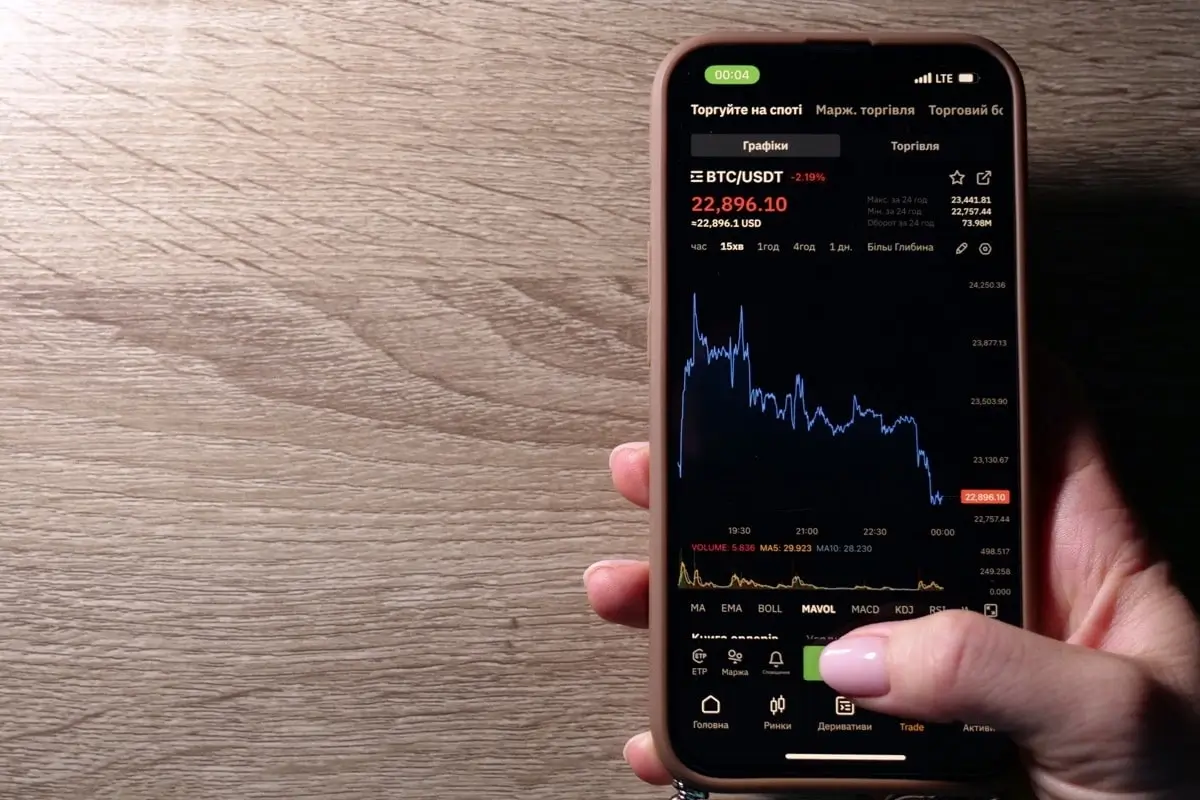
Altcoins received this name because most of them are eager to replace Bitcoin or, at the very least, enhance one of its parameters. Nowadays there are so many different altcoins, as they emerge day after day. Many of them are little more than Bitcoin clones that change one or two insignificant features, like transaction speed or mining algorithms. Such coins don’t tend to last long. Litecoin remains one of the few exceptions.
Many experts believe there is no real need for altcoins, arguing it is nearly impossible to compete with Bitcoin’s developed infrastructure. However, there are also many cryptocurrencies that aren’t mined with energy-heavy equipment and use consensus mechanisms like Proof-of-Stake (PoS) or fixed-supply distribution models. They are a good alternative to BTC.
Furthermore, this doesn’t take away from the fact that altcoins are an essential part of the crypto market. Decentralization is one of Bitcoin’s core aims, and altcoins further that process. Besides, altcoins let developers experiment with unique characteristics. Altcoins also bring healthy competition into the crypto market, which keeps developers active and pushes innovation forward. Anyone following altcoin news regularly will notice how quickly a small project can pick up momentum once it solves a problem Bitcoin doesn’t address.
It’s hard to compile a definitive list of the most significant altcoins, since the crypto market is volatile and the situation can change any second. That said, Ethereum, Ripple (XRP), Litecoin, and newer layer-1 and layer-2 projects are generally considered among the most established and widely traded altcoins.
What Is Altcoin/Crypto Trading?
Altcoin trading works much like Bitcoin trading. In any event, a trader needs a cryptocurrency trading platform to get started.
The general principles of altcoin trading are comparable to those of forex. It’s possible to trade altcoins without deep technical expertise in the cryptocurrency space. That said, this doesn’t mean there’s no need to follow crypto news and keep an eye on market conditions. Many traders track the altcoin season index to gauge whether capital is currently rotating out of Bitcoin and into altcoins, since that shift tends to shape short-term strategy.
A trader must own altcoins to be able to start the trading process. They need to transfer them from their altcoin wallet to the altcoin exchange.
Traders use exchanges where it’s possible to buy an altcoin directly on the platform before trading. Otherwise, a trader has to already own altcoins before starting to trade.
Some trading sites offer CFD trading options. This lets a trader profit from market movement without holding any cryptocurrency directly. A trader purchases a certificate whose value is linked to the altcoin’s price, making a profit from altcoin trading without needing to set up a crypto wallet.
Trading platforms mostly charge fees, generally under two models:
The first works on a fixed-fee principle. The second is spread-based — the platform doesn’t charge a fixed fee, but the ask prices of each trade already factor in the cost.
Margin trading is also available on some platforms. It allows a trader to borrow funds to buy more altcoins than they normally could. Only a limited number of platforms offer this, and it isn’t the best option for beginners. The practice is inherently risky, and crypto is already one of the most volatile markets around.
Pros
Altcoin traders can profit significantly without leaving home, and returns can come quickly. There usually isn’t a long wait to trade or cash in earned funds. The high instability of the altcoin market isn’t necessarily a bad thing either. Losses are possible, but so are wins, and that volatility is one of the main draws, especially for traders who stay on top of related news and market cycles.
If you decide to trade altcoins, it’s worth being aware of the pump-and-dump scheme. It works the same way for any asset class, crypto included. Pump-and-dump traders drive up the price of an asset that’s actually worth much less — the “pump.” Once the price hits the desired peak, the trader sells everything off, the “dump.”
Any trader should pay close attention to news related to cryptocurrencies, especially the altcoins they own. Many rely on an altcoin trading bot to react to sudden price swings faster than manual trading allows, particularly during a strong altcoin season when dozens of coins can move at once.
Cons
Altcoin trading has its downsides too. The market instability mentioned above can just as easily bring heavy losses.
What’s more, not every trading site supports fiat withdrawals. That can mean converting altcoins to Bitcoin first before converting to USD or another fiat currency, with transaction fees applied at each step, and those fees can add up quickly.
Platforms for Altcoin and Crypto Trading
Choosing the right altcoin trading platform matters as much as choosing the coin itself, since fee structures, supported assets, and withdrawal options vary widely between exchanges.
Binance remains one of the largest platforms for altcoin trading, supporting hundreds of cryptocurrencies with tiered fees that typically start around 0.1% and decrease with trading volume.
Kraken is known for its security track record and supports a wide range of altcoins, with fees that vary depending on whether an order adds or removes liquidity from the order book.
KuCoin caters specifically to altcoin traders, listing a large number of smaller and newer tokens that haven’t yet reached major exchanges, with maker and taker fees generally starting around 0.1%.
Traders researching a platform should always check its current fee schedule and supported coin list directly, since both change frequently as exchanges expand or scale back their offerings.