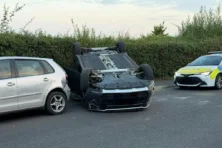
Yes, an Indiana bar or restaurant can be held responsible for a drunk driving accident, but only in limited situations. Under Indiana’s Dram Shop Act, a business is liable when it serves alcohol to a person it knows is visibly intoxicated and that service causes someone’s injury or death. Selling drinks to a driver who later crashes is not enough.
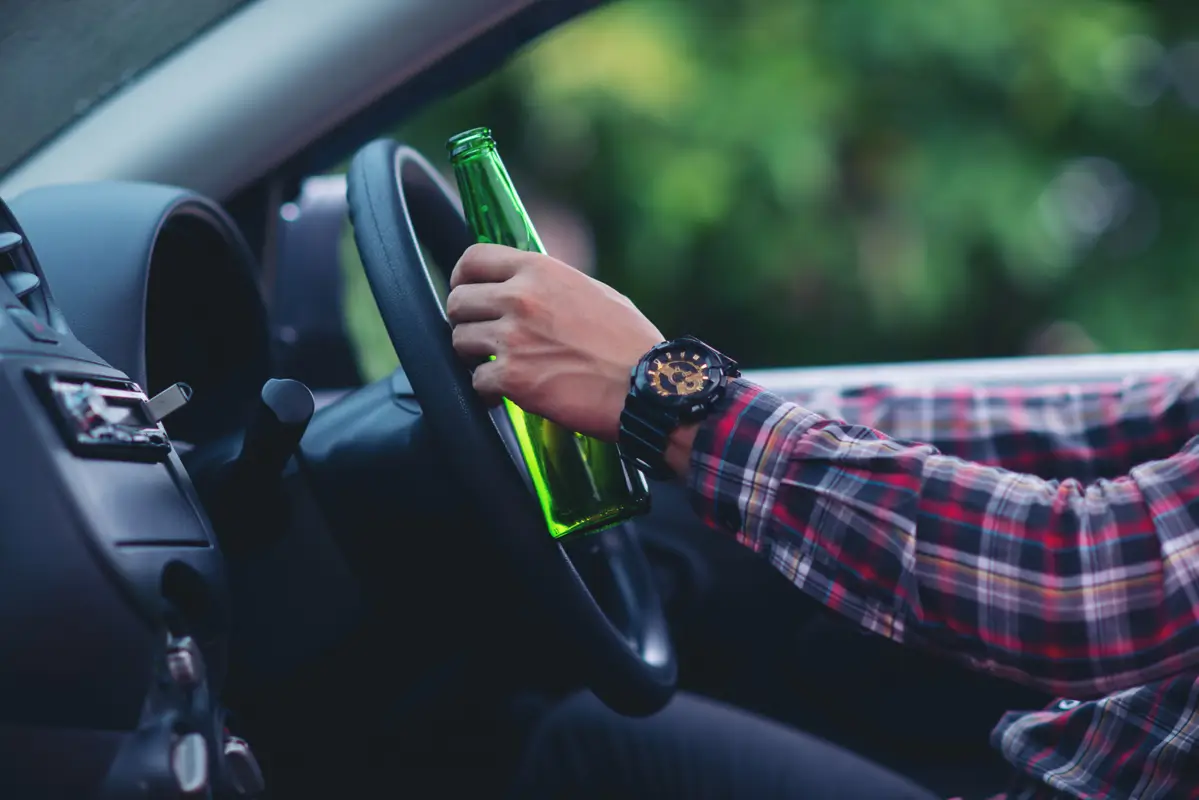
The National Highway Traffic Safety Administration reported that 12,429 people died in alcohol-impaired driving crashes across the United States in 2023, about 30 percent of all traffic deaths. Many victims of a DUI crash assume only the drunk driver can be sued, yet the establishment that poured the last round may share the blame.
Indiana sets a high bar, and the details decide these cases. In this article, you’ll learn what the law requires, what evidence counts, and how long you have to act.
What Indiana’s Dram Shop Law Requires
Indiana Code § 7.1-5-10-15.5 spells out when a provider of alcohol can be sued. The injured person must prove two things. The provider had actual knowledge that the customer was visibly intoxicated at the time of service and that intoxication was a proximate cause of the harm.
Actual knowledge is the hard part. Indiana courts don’t accept “should have known.” A server must have seen the signs and served anyway.
Indiana Code § 7.1-5-10-15 separately prohibits knowingly selling, delivering, or giving alcohol to an intoxicated person. However, civil liability for injuries caused by that person’s intoxication is governed by the specific requirements of Indiana’s Dram Shop Act.
Proof That Wins a Bar Liability Claim
Visible intoxication means obvious signs, not a guess. Strong cases usually rest on evidence like this.
- Slurred speech, stumbling, or trouble paying the tab
- Receipts showing many drinks in a short stretch
- Statements from servers, bartenders, and other patrons
Security video and tab records matter most, and many bars overwrite footage within weeks. A lawyer who sends a preservation letter early can protect that proof.
Who Can Sue and What Limits Apply
Injured people and the families of those killed can bring a claim against the establishment. A bar’s liquor liability policy can offer recovery far beyond what an underinsured driver can pay.
Fault matters too. Under Indiana Code § 34-51-2-6, a plaintiff cannot recover damages if their share of fault is greater than the combined fault of the other parties whose actions contributed to the injury. An intoxicated patron seeking compensation for injuries caused by their own voluntary intoxication may also face the separate restrictions in Indiana Code § 7.1-5-10-15.5(c).
Deadlines Come Fast
Indiana Code § 34-11-2-4 sets a two-year limit for personal injury claims. Wrongful death claims under Indiana Code § 34-23-1-1 carry the same two-year clock from the date of death. Miss it and the case is over.
Immediate Steps to Take After a Crash
Start by writing down where the driver was drinking and for how long. Receipts, texts, and witness names fade fast. Talk to an Indiana dram shop attorney early, before evidence disappears. A bar’s duty is narrow, but when staff keep pouring for someone clearly drunk, the law gives victims a real path to accountability.
Key Points to Remember
- Yes, an Indiana bar or restaurant can be held responsible for a drunk driving accident if it served a customer it knew was visibly intoxicated and that service helped cause the harm.
- Indiana law requires proof of actual knowledge, and “should have known” is not enough.
- Receipts, security video, and witness statements often decide whether a claim succeeds.
- An injured person who is more than 50 percent at fault cannot recover anything.
- Personal injury and wrongful death claims in Indiana generally must be filed within two years.