Robotics is no longer confined to science fiction or isolated factory floors. Today, robots are working alongside humans, harvesting crops, assisting in hospitals, and even supporting logistics operations. From collaborative robots (cobots) to advanced agricultural automation, robotics is reshaping how industries operate, driven by labor shortages, efficiency demands, and rapid advances in artificial intelligence.
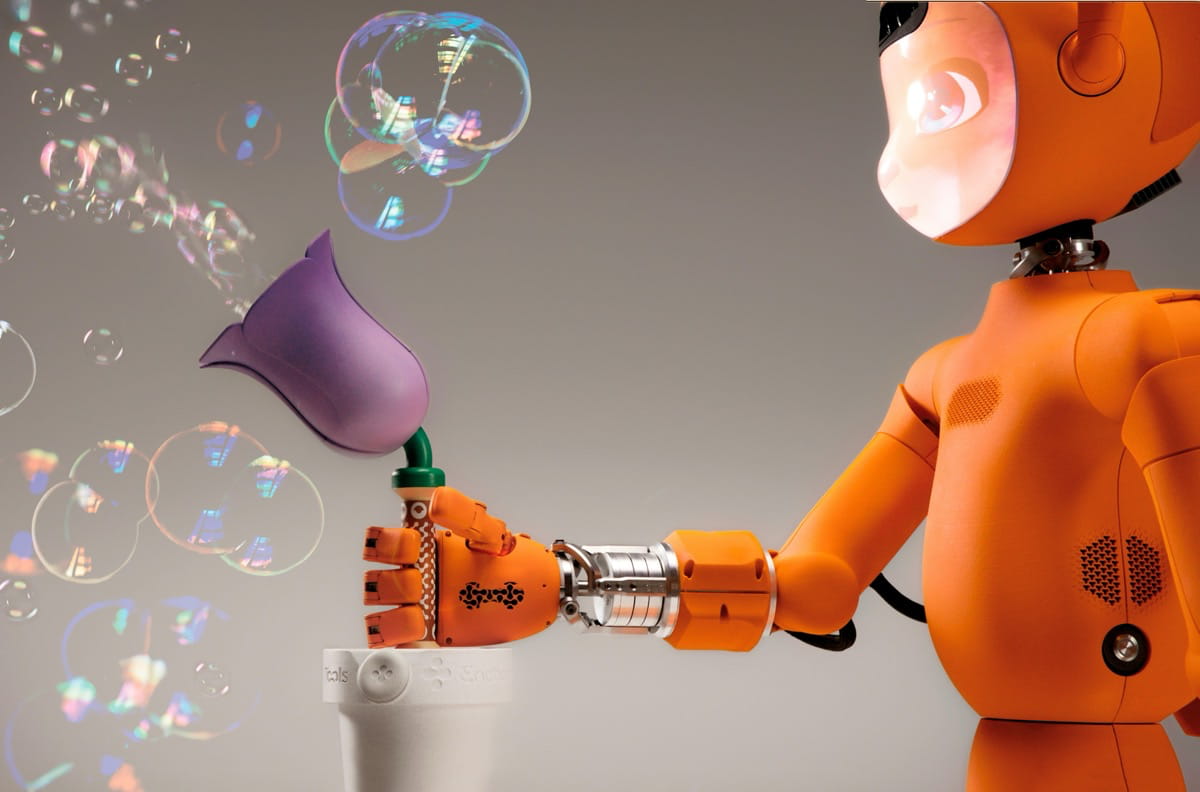
This article explores the rise of collaborative robots, the expansion of agricultural robots, and other notable robotics use cases, supported by recent statistics and real-world examples.
What Are Collaborative Robots (Cobots)?
Collaborative robots, commonly known as cobots, are designed to work safely alongside humans in shared environments. Unlike traditional industrial robots, which are typically large, fast, and separated from workers, cobots are built with safety and flexibility in mind.
They use sensors, machine vision, and force-limiting technology to detect human presence and avoid collisions. This makes them ideal for workplaces where human judgment and robotic precision must coexist.
Why Cobots Are Growing Rapidly
The adoption of cobots has accelerated significantly in recent years:
- Cobots accounted for around 5% of industrial robot sales in 2018, rising to 10%+ by 2023
- They now represent approximately 11% of all robot installations globally
- The global cobot market is projected to reach over $5 billion in value by 2030
- More than 57% of automotive production lines now incorporate cobots
These numbers highlight a clear trend: businesses are increasingly investing in flexible automation rather than fully replacing human workers.
Key Use Cases for Collaborative Robots
1. Manufacturing and Assembly
Cobots are widely used in manufacturing environments for repetitive and precise tasks such as assembly and fastening, welding and polishing, quality inspection, etc.
In some cases, a single cobot can perform thousands of repetitive actions per day, significantly improving productivity and consistency.
2. Logistics and Warehousing
In warehouses and fulfillment centers, cobots assist with:
- Order picking and packing
- Sorting and categorizing items
- Supporting human workers in high-demand environments
This is especially valuable in e-commerce, where speed and accuracy are critical.
3. Food and Light Industry
Cobots are also entering more creative and consumer-facing environments, including:
- Food preparation and packaging
- Beverage service
- Decorative or precision tasks (e.g., cake design)
4. Healthcare and Laboratories
In healthcare, cobots are used for:
- Lab automation and sample handling
- Medication dispensing
- Assisting surgeons in controlled settings
Agricultural Robots: Transforming Farming
Agriculture is one of the fastest-growing areas for robotics adoption. Agricultural robots (agri-robots) are designed to automate labor-intensive farming tasks while improving efficiency and sustainability.
Why Agriculture Needs Robots
The sector faces several challenges:
- Labor shortages
- Rising costs
- Pressure to increase yields sustainably
Robotics offers a solution by enabling precision agriculture, where tasks are performed with high accuracy and minimal waste.
Key Use Cases for Agricultural Robots
1. Harvesting Robots
Robotic harvesters use AI and computer vision to identify and pick crops such as strawberries, tomatoes or lettuce. These robots can work continuously and reduce reliance on seasonal labor.
2. Weeding and Spraying Robots
Precision robots can target weeds individually, reducing the need for widespread pesticide use. Some studies suggest robotic spraying systems can be 24 to 42 times more efficient than manual methods in certain scenarios.
3. Monitoring and Agricultural Drones
Robots equipped with sensors and cameras help farmers:
- Monitor crop health
- Analyze soil conditions
- Track irrigation needs
This data-driven approach improves decision-making and crop yields.
4. Autonomous Tractors and Machinery
Self-driving tractors and planting machines use GPS and AI to:
- Plant crops with precision
- Optimize field coverage
- Reduce fuel and labor costs
5. Collaborative Farm Robots
Some agricultural robots are designed to work alongside human pickers, carrying loads or assisting with harvesting. Research indicates these systems can improve efficiency by around 10% while reducing downtime by up to 60%.
Startups That Move Cobot Industry (Examples)
Several startups and robotics companies are contributing to these advancements:
- Universal Robots is widely recognized for pioneering cobots used in manufacturing and small businesses.
- Agrobot develops harvesting robots for delicate crops like strawberries.
- Naïo Technologies focuses on autonomous weeding and farming robots.
- John Deere has expanded into autonomous tractors and AI-powered farming solutions.
- Locus Robotics builds collaborative warehouse robots that assist human workers in logistics environments.
- Collaborative Robotics develops practical cobots to revolutionise industrial automation.
These examples illustrate how both startups and established companies are shaping the robotics ecosystem across industries.
Other Notable Robotics Use Cases
Robotics applications are rapidly expanding far beyond cobots and agriculture, finding their way into nearly every aspect of modern life. In healthcare, robots are enhancing precision and efficiency, from assisting in complex surgical procedures to supporting patient rehabilitation and handling routine hospital deliveries. In transport, autonomous technologies are reshaping mobility through self-driving cars, trucks, and last-mile delivery robots that streamline logistics.
At home, service robots are becoming increasingly common, with robotic vacuum cleaners, elder care assistants, and smart home systems helping to simplify daily routines. Meanwhile, in retail and hospitality, robots are improving operational efficiency through inventory scanning, automated checkout, and even customer service support. Beyond Earth, robotics plays a critical role in exploration, powering planetary rovers, underwater discovery machines, and disaster-response systems designed to operate in environments too dangerous for humans.
Therefore, the global AI robotics market is entering a period of accelerated growth projected to reach $442.38 billion by 2034, expanding at a compound annual growth rate (CAGR) of 18.3% between 2025 and 2034.
The Future of Robotics: Human & Machine Collaboration
The rapid growth of robotics is driven by several global trends:
- Labor shortages across industries
- Demand for efficiency and scalability
- Advances in AI and machine vision
- Increasing focus on safety and precision
Importantly, the rise of cobots signals a shift away from the idea of robots replacing humans. Instead, the future is centered on collaboration, where robots handle repetitive or physically demanding tasks while humans focus on decision-making and creativity.