Image source: magnific.com
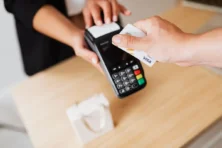
Visualize a customer standing in front of you who is ready to purchase a drink or snack item from a vending machine. They then try to tap their card or phone, but only cash is accepted. As a result, that customer may walk away without making a purchase. These small payment stumbling blocks can compound over the course of dozens or hundreds of transactions. Handling cash also involves increased cash collection, counting, and security issues.
A cashless vending payment system can remove those barriers. However, choosing one involves more than adding a card reader to your machines. You must have technology that connects with your equipment, accommodates your customers’ preferred payment cards, secures transactions, and delivers valuable fleet management tools.
With these factors in mind, this guide is designed to outline six considerations when selecting a cashless vending payment system.
1. Check Machine Compatibility
Start with your vending machine fleet. Different machines may use different communication standards, payment interfaces, and internal configurations. Before choosing hardware, confirm that the payment system works with your existing machines. For example, Nayax.com offers cashless payment and vending management solutions designed to integrate with vending machines, so you can evaluate its technology alongside other providers based on your fleet’s requirements. Compatibility checks can prevent costly changes after you purchase the equipment.
You should also ask about machine communication protocols. MDB, for example, is a common interface that allows vending equipment to communicate with payment devices. Some machines may require additional components or configuration before they can support cashless transactions. Confirm these technical requirements with your provider so installation does not create unexpected delays or expenses.
Think about future equipment, too. If you plan to add newer machines or operate different models, a flexible payment platform can make expansion easier. Choosing compatible technology across your fleet can simplify installation, maintenance, and system management as your vending business grows.
2. Match Customer Payment Needs
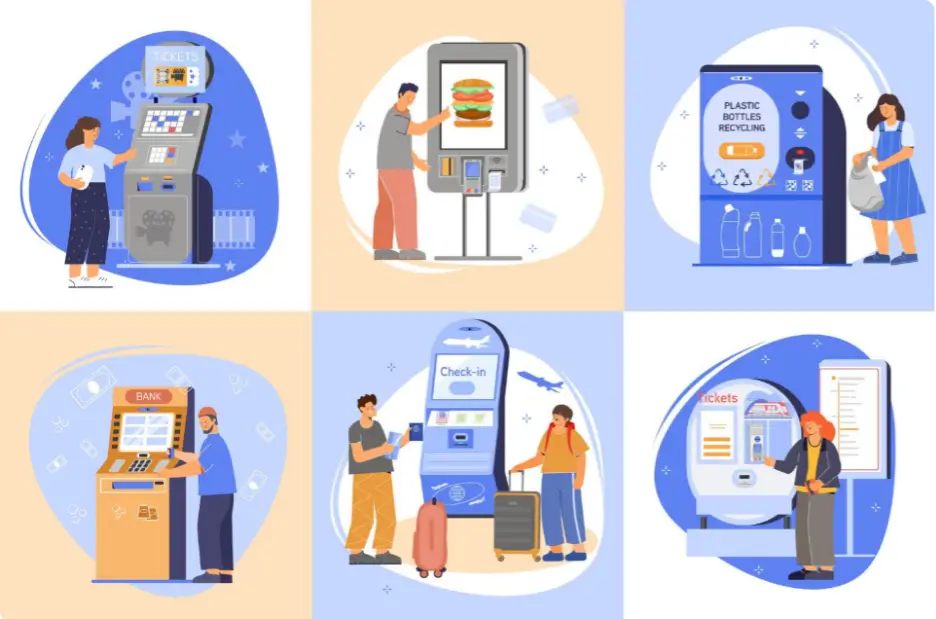
Image source: magnific.com
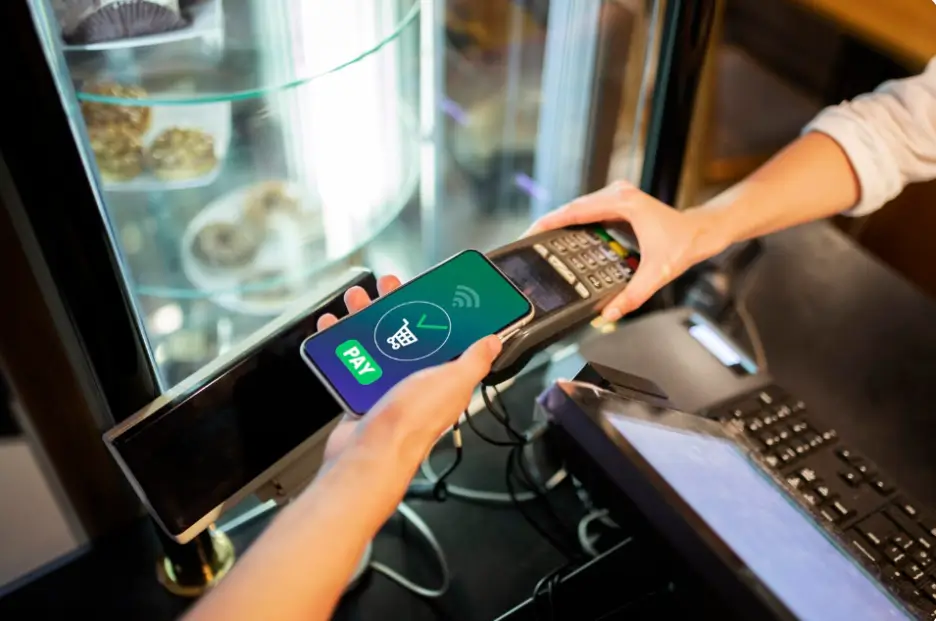
Your customers’ payment habits should influence your choice. A strong system can support common options such as credit and debit cards, contactless payments, mobile wallets, and other digital payment methods. Giving customers familiar choices can reduce friction and make completing a purchase easier.
Your machine locations also matter. A vending machine in an office may serve customers who regularly use contactless cards or mobile wallets. Machines in public spaces may need broader payment coverage. Review your customer base and locations before paying for payment options that your audience rarely uses.
Focus on more than the number of payment methods available. Consider how easily customers can use those methods and whether the payment experience remains quick and reliable during busy periods. A convenient payment process can encourage more customers to complete purchases instead of abandoning them.
3. Compare Costs and Security
Look beyond the purchase price of payment hardware. Your total cost may include transaction fees, monthly service charges, connectivity costs, installation, maintenance, and other provider fees. Comparing these expenses together gives you a clearer picture of what the system could cost over time. You can then assess whether the payment solution fits comfortably within your expected vending margins.
Security also deserves careful attention. Ask how the provider protects payment transactions and handles sensitive payment information. You should also understand how devices receive software updates and security patches. Strong payment security helps protect your customers while reducing risks for your business.
Review the contract before you commit. Check transaction rates, recurring charges, equipment terms, cancellation conditions, and service requirements. A transparent pricing model makes it easier to estimate your margins. You can then compare systems based on overall value rather than choosing the lowest upfront price.
4. Prioritize Remote Management
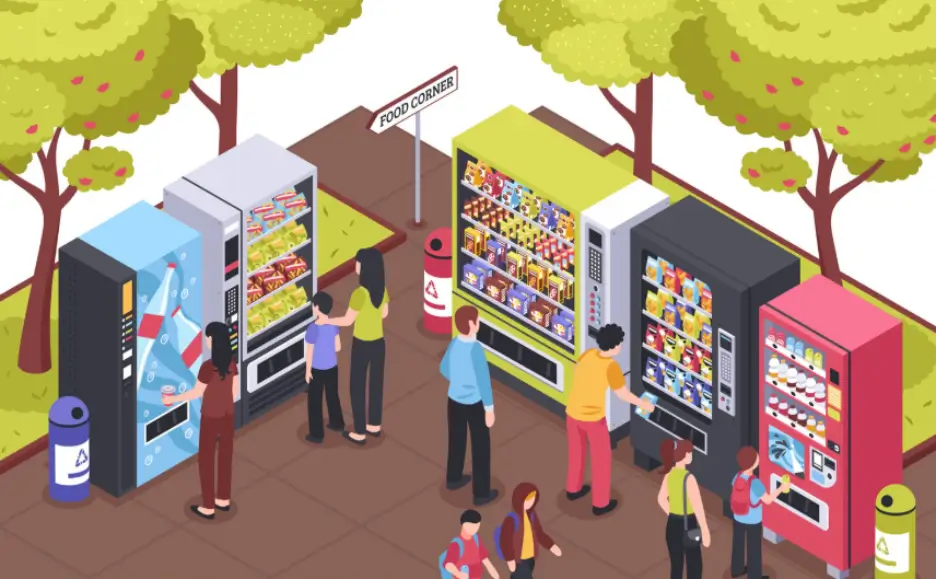
Image source: magnific.com
Cashless payments become more useful when payment data connects with machine management. Nayax, for example, combines cashless payment acceptance with tools for monitoring transactions, machine activity, inventory, and other aspects of vending operations. Look for a platform that can provide information about sales, transactions, inventory, machine status, and other operational activity. Having that information in one place can make your vending operation easier to oversee.
Remote monitoring can also reduce unnecessary service visits. If a machine goes offline or shows unusual activity, an alert can help you identify the problem sooner. You can prioritize machines that need attention instead of visiting every location on the same schedule. Faster visibility can help you address problems before they lead to prolonged downtime or missed sales.
Analytics can help you make better decisions as well. You can compare sales across locations, identify popular products, and recognize machines that underperform. With clearer data, you can adjust product selections, restocking schedules, and service priorities based on actual vending performance. Over time, these insights can help you focus resources on locations and products with stronger sales potential.
5. Plan For Future Growth
Choose a system that can grow with your vending business. A scalable platform should support additional machines and locations without requiring major changes to your payment infrastructure. Consistent technology can also simplify fleet management as your business expands.
Consider capabilities beyond basic payment acceptance. Software integrations, analytics, reporting tools, and centralized management can become more valuable as your fleet grows. These features can help you avoid disconnected systems and simplify daily operations.
Provider support matters just as much as technology. Ask about technical assistance, troubleshooting, software updates, device replacement, and response times. Reliable support can help keep your machines operational and reduce payment-related downtime.
6. Evaluate Customer Engagement
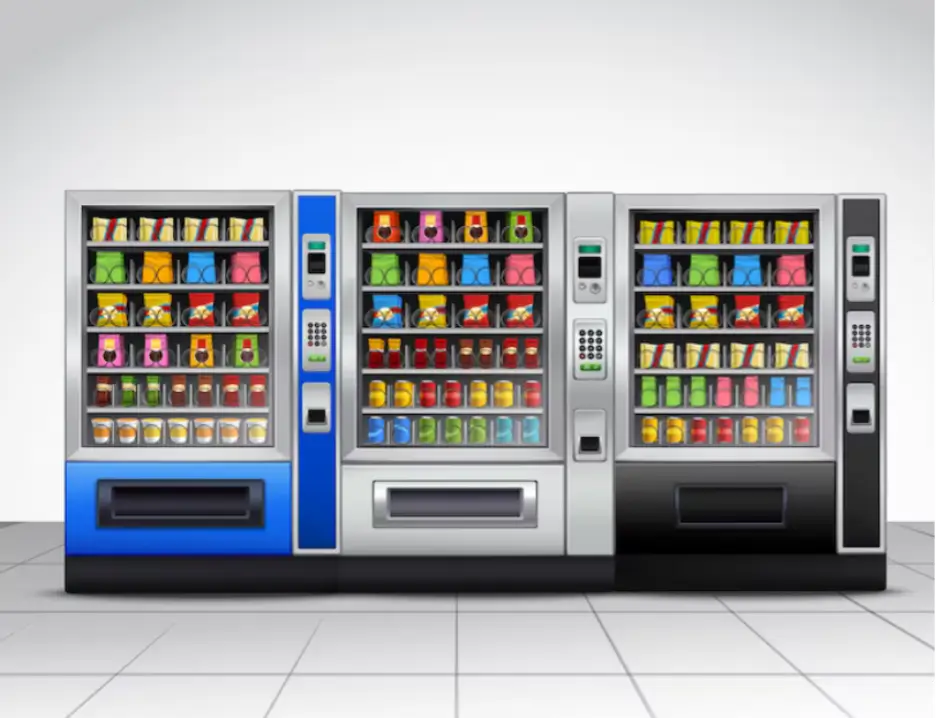
Image source: magnific.com
Look for a cashless vending system that can do more than process transactions. Features such as digital receipts, loyalty programs, promotions, and customer-facing tools can help you build stronger relationships with repeat buyers. These capabilities can turn a basic vending purchase into a more connected customer experience.
Customer data can also give you useful insight into buying behavior. You may be able to identify popular products, understand purchasing patterns, and see how customers respond to promotions. Those insights can help you make smarter decisions about product selection and marketing.
Think about how customer engagement could support your long-term goals. If your vending business serves multiple locations, loyalty and promotional tools can give customers more reasons to return. Choosing a payment platform with built-in engagement capabilities can also reduce the need to manage separate systems as your operation grows.
Conclusion
Choosing the best cashless vending payment system requires you to look beyond the payment terminal. Check machine compatibility, match payment options to customer needs, compare total costs, verify security, and evaluate remote management. You should also consider scalability, provider support, analytics, and customer engagement. Each factor can affect your operating efficiency, customer experience, and long-term return on investment.
Start by listing your current machine models and preferred payment methods. Then compare providers based on the complete value they offer. A system that combines reliable payments with strong management, data, and engagement capabilities can help you reduce operational friction, improve the customer experience, and build a vending business that is easier to scale.