Find out about the types of QR payments and popular services that use them
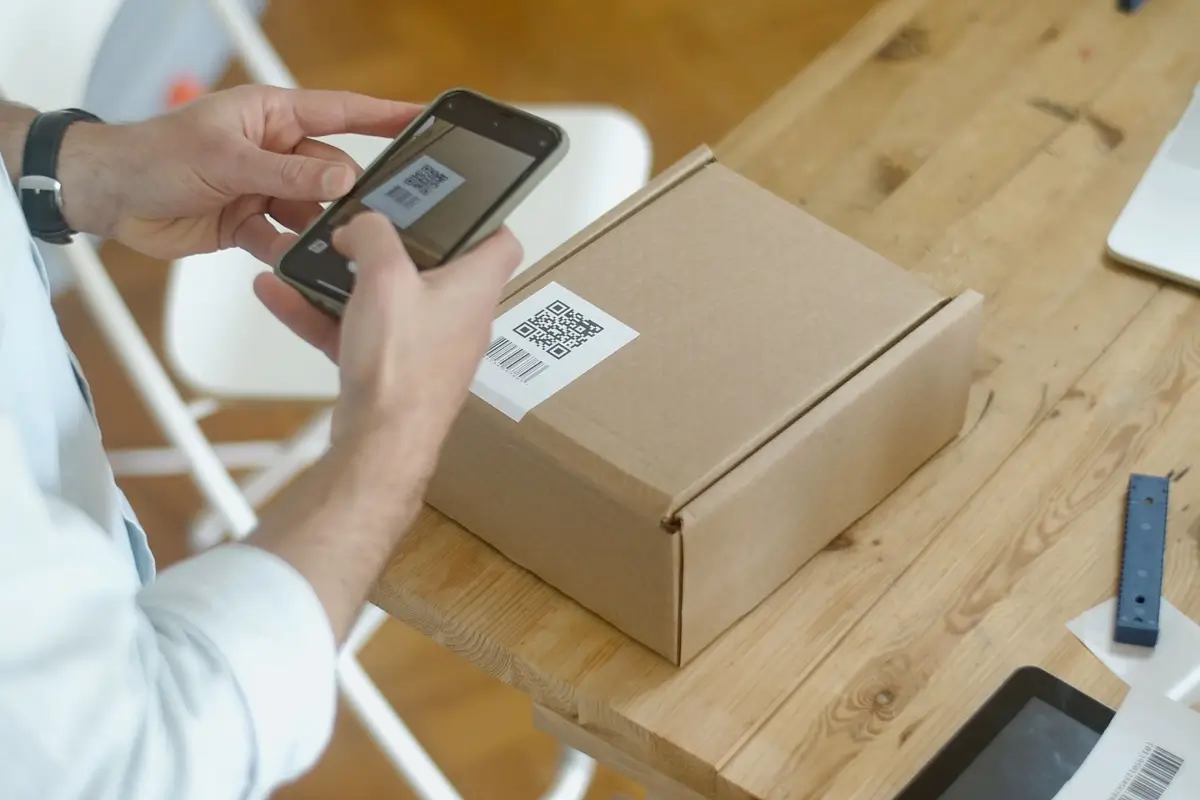
I remember the first time I saw a QRcode scanning app at the Google Play market. At that time, QR codes were mostly used to show the product details, transfer contacts to a mobile phone, or represent a discount coupon.
Today, the growing pace of online shopping has given rise to new fintech opportunities for those small pixelated squares. Their convenience for mobile payments is confirmed daily by millions of customers and retailers all over the world. India’s UPI network alone processed 25.47 billion transactions worth ₹31.53 lakh crore in October 2026, according to NPCI data reported by Business Standard. QR stickers on shop counters are a big part of the reason why small merchants can accept payments without card terminals.
The charm of simplicity is coupled with ease of use. What you need is a smartphone with a camera, and an app able to scan, store, and share QR codes. On most phones, the built-in camera can already read the code.
How it works
There are three main payment types where QR codes are applied. All of them already function pretty well in China where cash transactions have almost been forgotten. In India, UPI QR codes sit on everything from supermarket counters to street stalls.
- Retailers scan your code. The personnel of the store enters a sum to pay at the checkout. You open the payment app and show your personal QR code. It represents your personal account with a mobile wallet or linked credit cards. The cashier scans the QR code and the required sum automatically transfers.
- You scan the retailer’s code. The retailer offers its unique QR code which you scan. The app identifies the seller so that you see it’s a trusted party. Then you enter the required sum to pay. For some apps, additional confirmation may be required. Some store chains develop separate apps with QR scanning functions.
- P2P transactions. Sometimes you need to pay individuals, whether they are self-employed professionals who provide you services or just friends who lent you money. It’s possible to do with the help of QR codes as well once you both use a suitable app.
QR codes are a good solution for mobile transactions for a few reasons: you don’t need to use any additional equipment; they are quick and effortless; payment procedure is flexible and can be done remotely; if it’s used for online transactions, no credit card details need to be inserted; you don’t need to carry your wallet or credit cards around. One habit is worth keeping: scan codes only from trusted sources, since a fake sticker can be placed over a merchant’s real code.
Examples of usage
Some businesses have already acknowledged the convenience of QR codes. They have upgraded their interactions with customers to make them smooth and automated. There are some examples of the services actively using QR codes and not only for payments below.
Nextbike and Styr & Ställ
Nextbike is a bike-sharing service operating in hundreds of cities across Europe. In Gothenburg and Mölndal in Sweden, it runs under the name Styr & Ställ. A person who downloads the app registers for free, and a €1 deposit used to verify the account becomes rental credit. They can find a nearby bike available for rent on the map. Then they scan a QR code on the bike, receive a four-digit code, and enter it on the cycle computer to open the lock. A rider can pause the trip by locking the bike, and the rental period continues. When the trip is over, they return the bike to a station and lock it with the lever. The app confirms the return. It is ready for the next client to use.
Zippin
Zippin builds checkout-free stores. Its first concept convenience store in San Francisco offered fresh lunch items, snacks, and drinks. The store had no cashiers or checkouts at all. It worked on an AI-driven software platform. Visitors scanned the QR codes at the entrance, then they did their shopping and simply left. Motion cameras registered all purchases, the virtual shopping cart calculated everything, and the receipt appeared in the mobile Zippin app. Today, the technology is widely used in sports venues, where lines are the biggest problem. Zippin stores have opened at Inter Miami’s Nu Stadium, Kauffman Stadium, and the Melbourne Cricket Ground.
Garbage Disposal
In Hangzhou, China, residents take advantage of QR codes to learn to segregate their trash properly. They have two sets of garbage bags, each with a unique QR code. Some of the bags are for food waste, while the others are for domestic waste. At the collection point, trash bins have scanners installed. People bring trash bags near the scanner and the right door opens for them to dispose of that waste. Later on, the bags are checked. Smart recycling cabinets in districts such as Binjiang also open with a QR code scan. Residents, who sort their waste correctly earn carbon points. They can exchange them for household goods.
QR Code Medical IDs
The initiative of ID bracelets where QR codes link to personal information was initially aimed to help children with autism who often wander off and lose their parents. One of the first was Keep Me Safe ID, created by a family from Minnesota in 2012. Passers-by can scan the QR codes with their phones and contact the parents. Today, providers such as MedicAlert offer QR Code Medical IDs that open the wearer’s profile with medical conditions, medications, allergies, and emergency contacts. Versions with a location tracker are available for people who wander due to autism or dementia. It helps provide personalized care even for unconscious patients. It can also facilitate the identification of accident victims etc.
Walmart
The biggest US retailer reduces its expenses in order to keep charging low prices for products on sale. The customers scan the QR code on the checkout lane with their Walmart Pay app to pay for their goods. It works at regular and self-checkout lanes, and the receipt appears in the app. In August 2026, Walmart started rolling out tap-to-pay with Apple Pay and Google Pay, with nationwide availability planned by the end of the year. QR payments now sit next to standard contactless options.
Lime Scooters
Electric scooters and bikes can be used for traveling around cities via the Lime app and, in some cities, via the Uber app. Users can either find a vehicle on the map beforehand, or perhaps come across one and decide to take a ride. Anyway, all they have to do after is scan the QR code on the vehicle to unlock it. After the ride, the customers should park in one of the parking zones shown in the app.
Starbucks
The coffee chain has optimized QR payments so that their customers pay with Starbucks cards loaded in advance. They also use them to earn Stars that give them free drinks. In 2017, Starbucks started using QR codes for augmented reality experiences as well. The first Starbucks Reserve Roastery in Asia situated in Shanghai offered a close look inside the roasting cask. The visitors can see how it all works and earn virtual badges by scanning QR codes all over the place. Those help to receive a custom Roastery social media filter to share. Coffee-making has become a digital performance this way. The customers mesmerized by the coffee bean magic should not spoil the impression by standing in queues. The ordering and payment processes are automated and can be made at any corner of the Roastery.
Dunkin’
Their app uses QR codes to pay for the orders. Customers can place mobile pre-orders and pick them up in-store. The ordering process is highly customized so the customer can choose the quantity of ice, sugar, or caffeine in their drinks. The app offers a loyalty program with earned points which can be redeemed or saved for free drinks.
Amazon Go and Whole Foods
Amazon Go stores used QR codes to log the customers going in and out. The in-store sensors tracked items in the cart at checkout. The customers walked out of stores without any lines. The amount was debited from their Amazon accounts. In January 2026, Amazon closed its Amazon Go and Amazon Fresh physical stores in the US to focus on Whole Foods Market and grocery delivery. The “just walk out” technology continues to work in more than 360 third-party locations in five countries. Amazon Prime members scan their unique codes at Whole Foods’ checkout to receive member discounts.
UPI and Pix
India’s Unified Payments Interface turned QR codes into an everyday payment tool for small merchants. The shop displays a printed code, the customer scans it with any UPI app, enters the sum, and confirms. Merchant payments account for 64% of UPI transaction volume in 2026, compared with 37% in mid-2021, according to Outlook Business. Brazil’s Pix instant payment system, launched in 2020, works in a similar way: merchants show a QR code and customers pay from their bank app.