After years of steering shoppers toward its own checkout apps, Walmart is opening the door to Apple Pay, Google Pay and every other tap-to-pay wallet, which says a lot about who really controls how we pay at the register.
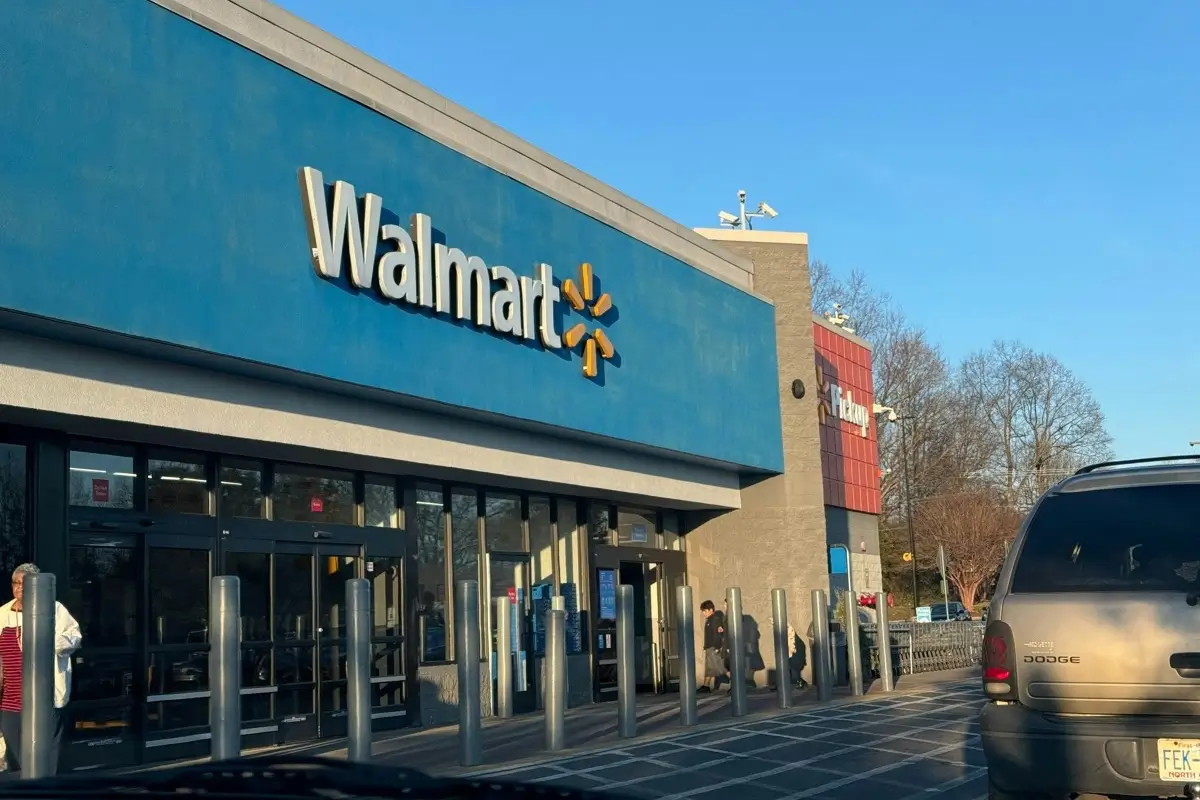
Beginning August 24, Walmart is rolling out Tap to Pay — the ability to pay by holding a contactless card, phone or smartwatch near the checkout terminal. First, the function will work at select stores and Sam’s Club locations across the U.S. The retailer says the feature will reach all its stores and clubs by the end of 2026, and fuel stations by mid-2027. It’s a small technical change, but one that has a big backstory. Walmart is among the last significant retail companies to adopt the payment method in the US, thus completing a decade of unsuccessful efforts to lure customers away to its proprietary payment tools.
For years, Walmart favored the usage of its own technologies, such as Walmart Pay, a QR code-based application, and Scan & Go at Sam’s Club, and it opposed to adopting near-field communication (NFC) technology, on which Apple Pay and Google Pay are functioning. By ensuring that payments were processed through its own application, Walmart could keep all financial details of the transaction instead of sharing it with Apple or Google.
In 2012, Walmart became a founding member of the Merchant Customer Exchange (MCX), a group of leading retailers which created an alternative payment system, mobile wallet called CurrentC, in order to compete against Apple Pay. The application was based on processing QR codes instead of using tapping and had to be shut down in 2016, because retail companies, started to work with Apple Pay and Google Pay after all. In hindsight, it’s a clear signal that shoppers could not care less about the companies owning the payment stack if that was not convenient enough to use.
For now, Walmart says Walmart Pay and Scan & Go aren’t going anywhere. Tap to Pay is being added as one more option, not a replacement. But the direction is clear: even the world’s largest retailer has concluded that fighting the digital wallet already in shoppers’ pockets costs more than it saves.