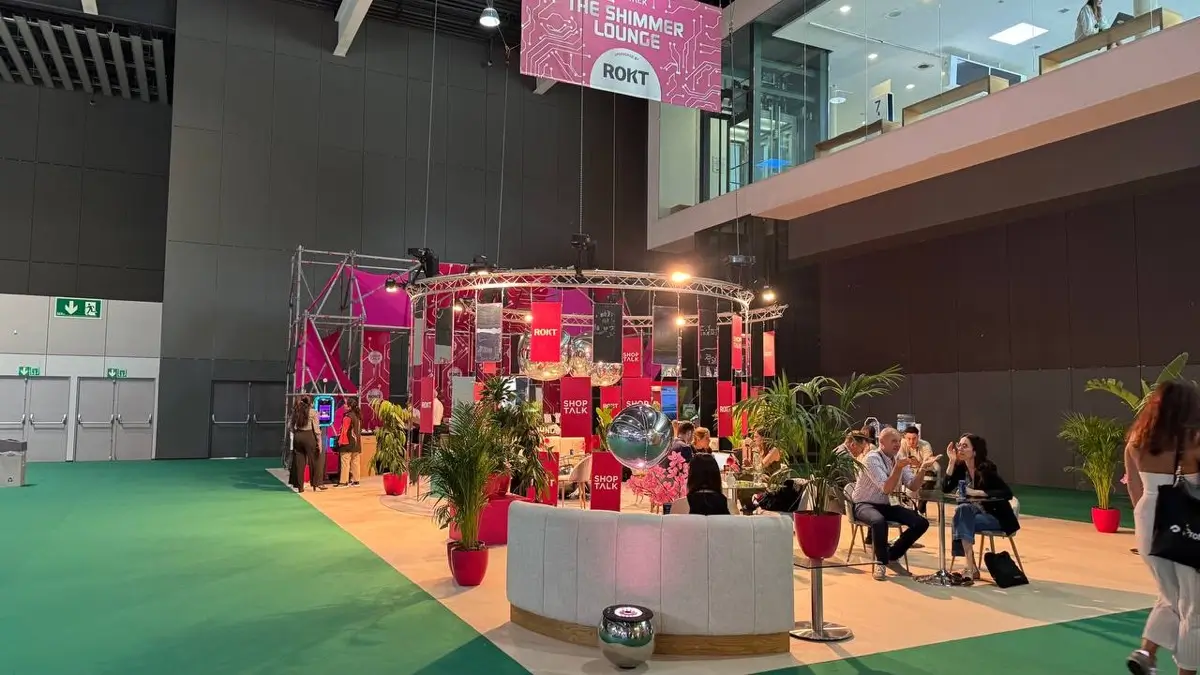
Shoptalk Europe 2026 unveiled five major predictions for the next decade of European retail at its Barcelona event, outlining how AI shopping agents, GLP-1 weight-loss drugs, the recommerce economy, personalised physical stores, and AI-driven supply chain transformation will reshape retail by 2036.
Research from Merkle, commissioned exclusively for Shoptalk Europe, suggests agentic commerce could account for up to a quarter of global B2C sales in the coming decade, highlighting the scale of disruption expected from AI-powered commerce systems.
Adam Plom, VP of Content at Shoptalk Europe said, “European retail is in a state of perpetual disruption, and it can be difficult to separate signals from the noise. From agentic commerce to the resale economy, changing consumer health patterns to the creation of smarter stores and a supply chain under pressure from an increasingly unpredictable world, there are clear trends emerging that will define the next decade of retail. The retailers and brands that respond to these shifting consumer behaviours and emerging technological capabilities now, will be the ones winning in 2036.”
Agentic commerce will drive e-commerce growth
The central prediction from Shoptalk Europe is that agentic commerce spanning AI-assisted shopping via answer engines such as Gemini and fully autonomous purchasing through AI agents will significantly expand e-commerce’s share of total retail.
Adoption is already accelerating. Merkle research found that 37% of US consumers were using AI tools for shopping sometimes or regularly in November 2025, rising to 47% by February 2026.
More than one-third of industry professionals surveyed by Shoptalk and Placer AI believe agentic commerce will create entirely new buying occasions, increasing overall consumer spend.
Merkle research also shows that more than half of shoppers are open to automated replenishment services for household goods. When applied to low-complexity purchases, autonomous agent-to-agent commerce could represent 10–25% of global B2C commerce by 2030 — equivalent to a potential €1 trillion market shift.
ChatGPT reached 800 million active weekly users by the end of 2025, while commerce frameworks such as OpenAI’s ACP and Google’s UCP are rapidly scaling. OpenAI has also begun shifting checkout flows from ChatGPT into retailer-owned applications, signalling a structural change in how AI commerce is executed.
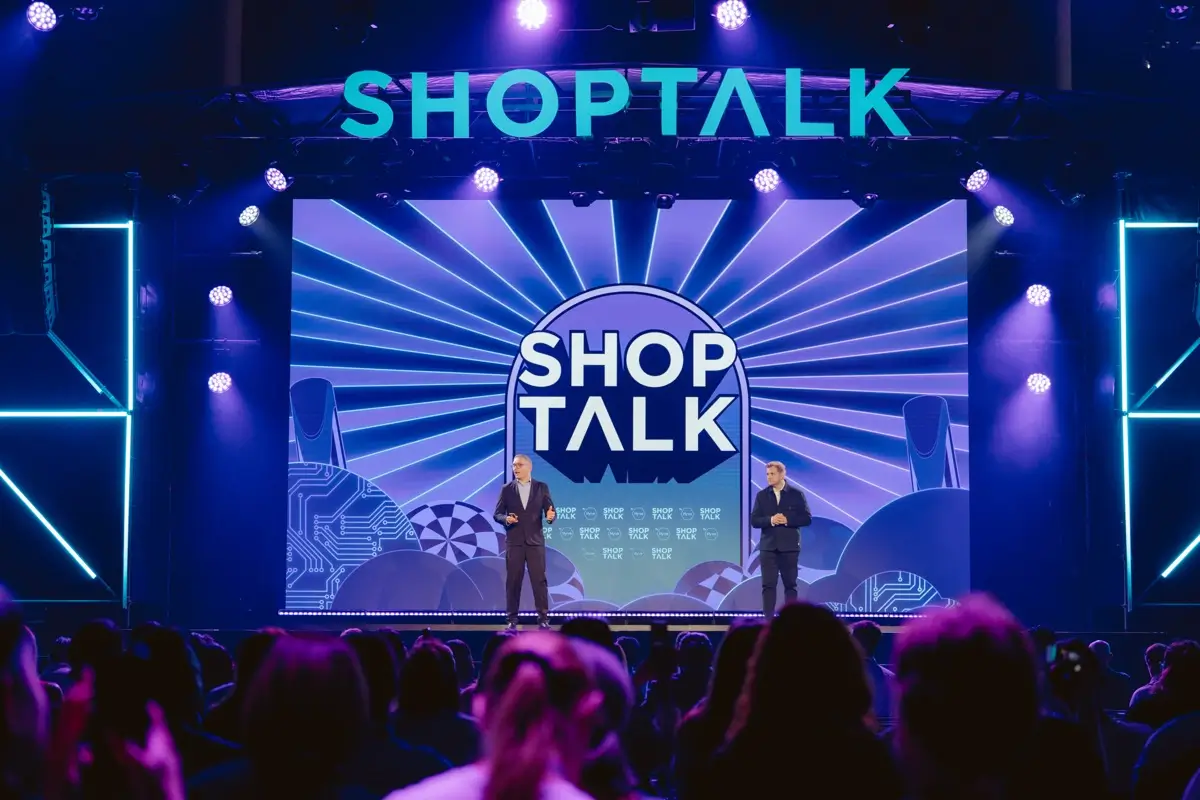
Plom said: “The infrastructure for agentic commerce is being built right now in the US, and we believe Europe is six to twelve months behind. With such a positive outlook, we expect to see investment accelerate to create solutions that will convert the attention consumers are already giving to answer engines into commerce.
“With Merkle predicting a one trillion euro disruption in autonomous agent-to-agent commerce, when it arrives at scale here, it will move fast – and the risk of doing nothing is far greater than the risk of getting it wrong.”
GLP-1 drugs will reshape consumer spending and retail categories
Around 1% of the global population currently uses GLP-1 appetite-suppressing drugs, but Morgan Stanley projects adoption could rise to 10% over the next decade, supported by oral formulations and declining costs.
Users typically consume 8% less food, and McKinsey identifies snacks such as crisps, savoury snacks, and sweet baked goods as among the most affected categories.
Plom said: “Forty-six percent of GLP-1 users have already changed where they do their main grocery shop – that’s happening right now. We predict extensive merchandising changes ahead, as retailers and consumer goods companies lean into high protein, smaller portions, on-the-go convenience and digestive health.
“The impact won’t stop at food – weight loss drives wardrobe refreshes too, creating a real tailwind for apparel brands. The brands that get ahead of this shift will be well placed; those that ignore it will feel it in the numbers.”
Recommerce will reach a tipping point
McKinsey and The Business of Fashion estimate that the global second-hand fashion and luxury market will grow from €168 billion in 2023 to €270 billion by 2027.
Plom commented, “Nearly 90% of resale spend is currently going to peer-to-peer marketplaces. That’s revenue, and customer data, that could belong to the original brand. We believe the retailers who move first will build a loyalty and lifetime value advantage and will scale their propositions to make their investments profitable.”
Physical stores will become more personalised and identity-driven
Physical retail will remain the dominant channel in Europe, but Shoptalk predicts a shift toward stores that encourage or require shoppers to identify themselves on entry.
According to Kantar (Q4 2025), nearly half of shoppers are frustrated by locked products, while one-third actively avoid retailers that use them. Meanwhile, Costco’s Annual Report states that through controlled entry and membership-based retail, inventory losses remain “well below those of typical retail operations”.
Plom noted, “Three forces are pushing this in the same direction at once – in-store retail media’s need for attribution data, more personalised loyalty programmes that give shoppers a real reason to share their identity, and growing frustration with anti-theft measures.”
Retail operations and supply chains: automation, agility and demand sensing
ECDB forecasts European e-commerce revenue to grow at a 7.7% CAGR, reaching €951 billion by 2029. As digital commerce expands, Shoptalk expects fulfilment systems to shift further toward automation.
At the same time, increasing frequency of Black Swan events is forcing retailers away from lean just-in-time models toward more resilient, buffer-based inventory strategies.
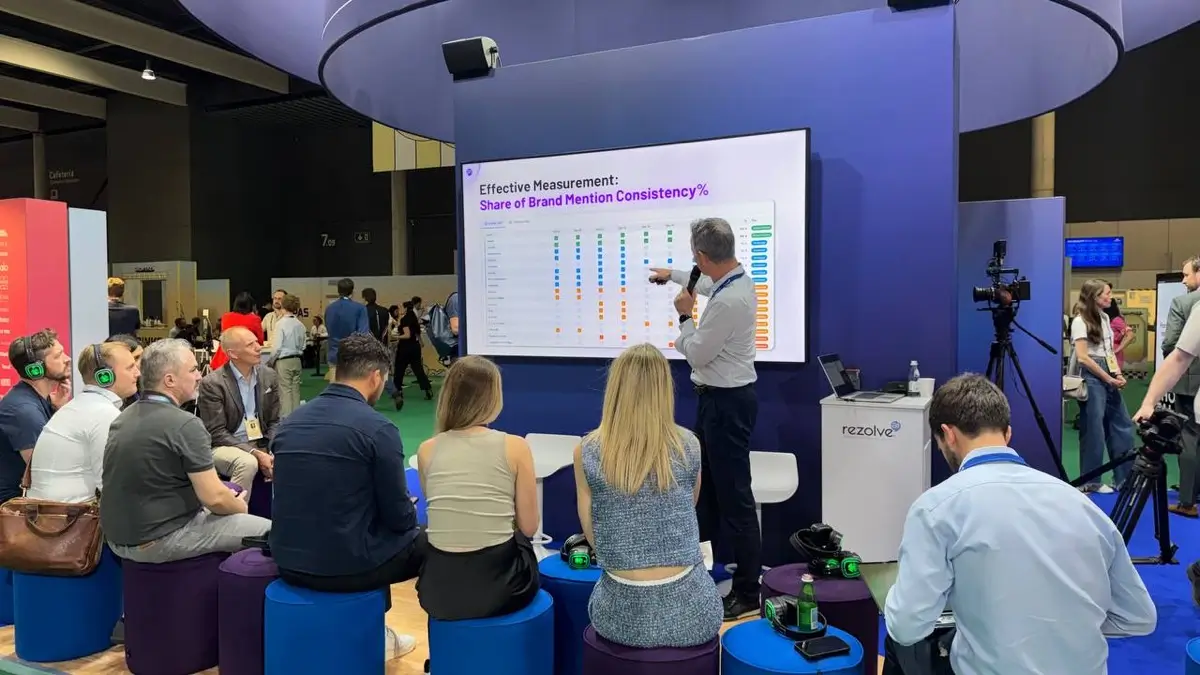
Plom said, “Some retailers have pivoted to lower CapEx, store-based fulfilment and that’s understandable at certain volumes. But the rate of ecommerce growth will swing the pendulum back. We predict there’s a tipping point coming in order volume and delivery density that makes automation crucial for long-term profitability.”
He added, “Automation alone isn’t enough. The companies that win will pair it with demand sensing – continuously updated forecasts using real-time sales, weather and social data so they can react in hours instead of days or weeks. Unilever has already shown what good looks like, reducing forecast errors and cutting safety stock in the process.”
About Shoptalk Europe
A Hyve Group event, Shoptalk Europe is a leading European retail ecosystem conference bringing together retailers, brands, technology providers, investors and startups to shape the future of commerce. The event convenes 4,500+ senior leaders, with one in three at C-suite level, representing 62 countries. It is widely recognised for its Meetup programme, high-impact content agenda, and its role in building long-term retail partnerships beyond the three-day event.
For more information visit: shoptalkeurope.com.