Twitch added a new privacy setting on August 12 that lets streamers stop Amazon from using their content to train generative AI models. The catch is that the setting is switched on by default. Streamers who don’t find and disable it are automatically included.
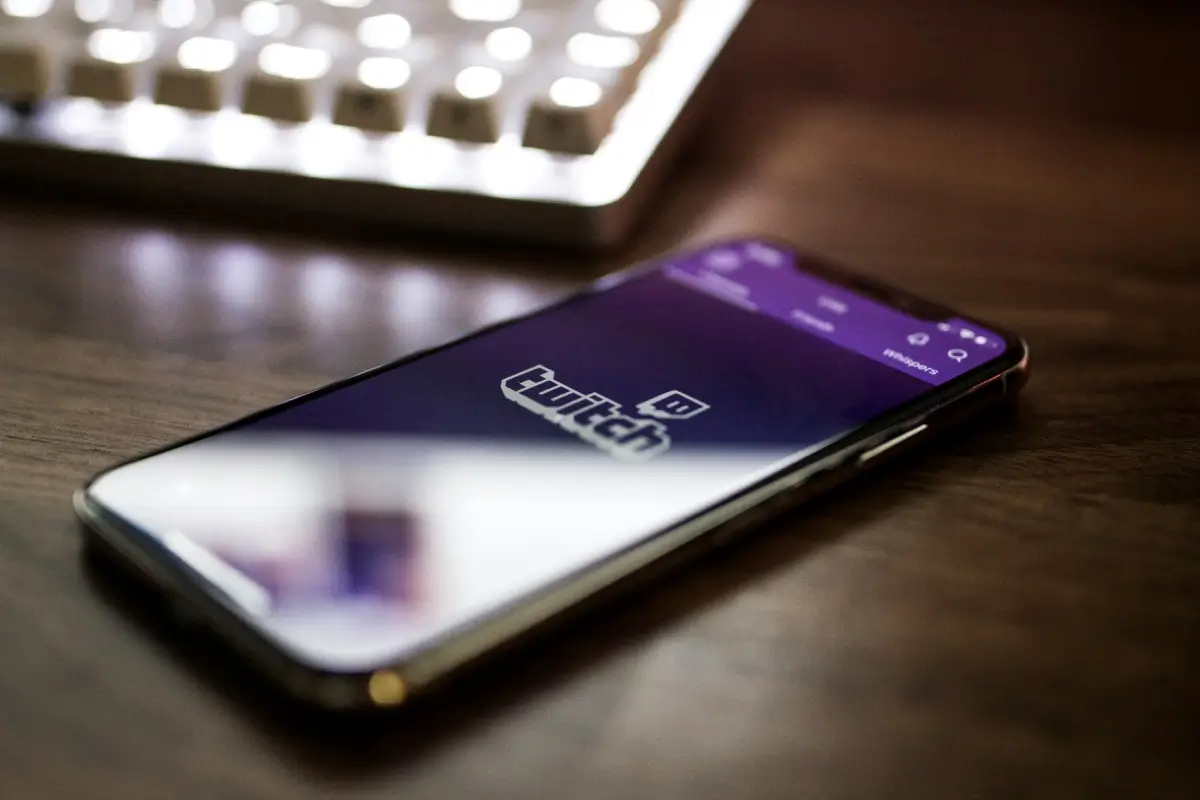
The toggle, called “Training for Generative AI,” sits under Security and Privacy in account settings. According to Twitch’s support documentation, the setting covers a channel’s streams, VODs, clips, stream chats, and the images and text on a channel page.
Twitch executives addressed the backlash directly during an August 12 livestream on the company’s official channel. The streaming platform will now use creators’ content to help train generative AI models for its parent company, Amazon, and the move has drawn swift backlash from the Twitch community, particularly because creators are opted in by default. Asked why the company didn’t simply make the program opt-in, Chief Product Officer Mike Minton gave an unusually candid response: “If this was opt-in, nobody would opt in. That’s honestly the answer.”
Notably, that’s not the first time Amazon AI tools training or testing face public backlash. In January, Amazon’s newest experimental AI-driven shopping tools, e.g. the “Shop Direct” feature and the “Buy For Me” AI agent, triggered criticism after small retailers discovered their products listed and sold on Amazon without their consent, raising multiple and frankly genuine concerns about transparency, consent, and seller rights.
Is Consent the Only Problem With Amazon/Twitch AI Training?
For a payments and creator-economy audience, another aspect is also worth noting besides the consent debate. Streamed content is not incidental data. It is the same raw material that already generates income for creators through subscriptions, ad revenue shares, and platform creator funds. Amazon considers these stream recordings valuable because they offer thousands of hours of audio and video content for training AI models. That value currently flows to Amazon’s AI training pipeline without any separate compensation or revenue-share mechanism for the streamers who produced it.
This pattern is not unique to Twitch. Meta and other platforms have built AI training into standard terms of use, with opt-outs, where they exist, often hard to locate or geographically restricted.
What makes the Twitch case notable for creator-monetization tools like Patreon, subscription platforms, and tip services is the precedent it sets: platforms can treat a creator’s recorded output as two separate assets. One is monetizable through existing creator-payout systems, and one extractable for AI training with no payout attached at all. As AI training increasingly becomes a standard, default-enabled feature across content platforms, the question of whether “data value” should be priced alongside subscriptions and ad revenue is likely to become a recurring one for the creator economy.
Content eligible for training is broad. Even chat messages are affected. Thus, a channel’s training setting governs whether that channel’s chat logs can be used. Questions remain whether that option would apply to all the chat messages, regardless of an individual viewer’s own opt-out preference elsewhere. That surely creates an AI model authorization override dilemma.
Twitch has not indicated whether the setting will move to opt-in in the future or in response to public feedback. Neither did the firm mention whether any compensation model is under consideration for creators whose content trains Amazon’s AI models.
AI Training Revenue Is Rarely Reaching Creators
To be fair, there is little precedent of AI companies actually rewarding the people whose data they use for training their own models financially. There are several examples of platforms getting paid, but the money rarely reaches individual creators directly. So, data is valuable today, but consumers or platform users are typically not the ones to benefit from the fact.
For example, Reddit, Shutterstock, News Corp, Axel Springer, and others have signed licensing deals worth tens to hundreds of millions with OpenAI, Google, and Microsoft. But for individuals, the economics remain lopsided. Those contracts may result in institutional revenue, but not creator payouts. Twitch and Meta fall in this category as well. The company (or its parent, Amazon) captures the training value, and no revenue share flows back to the streamer or user who produced the content.
Few platforms that pay individual contributors for AI using their content
- Shutterstock set up a Contributor Fund that directly compensates individual contributors if their work was used in AI model development, with the fund size tied proportionally to the value of the dataset deal Shutterstock makes.
- Getty Images built its own licensed generative tool trained only on its own library, with contributor compensation and indemnification up to $50,000 per image.
- ProRata, an AI search startup, pays 50% of all revenue from its Gist.AI product to publishers.
- Sweden’s STIM launched what it calls the world’s first collective AI music licence, an opt-in model built with Songfox and attribution firm Sureel.
Additionally, third-party startups like Calliope aggregate individual creators’ content (YouTube videos, for example) and license it in bulk to AI companies, taking a percentage of the licensing fees while passing the rest to creators. The downside of this model is that a particular aggregator needs tens of thousands of hours of content to interest AI companies in the first place. Notably, Meta’s CEO has said creators and publishers tend to overestimate the value of their specific content for AI training, and that Meta would simply stop using a creator’s content if they demanded payment rather than negotiate.
Twitch AI Training Opt-Out: 5 Things People Ask
1. What is Twitch AI training, and does it affect me?
Twitch AI training refers to a setting that lets Amazon use content from a Twitch channel to build its generative AI models: the kind of AI that can create new text, audio, images, or video. It affects anyone with a Twitch account, because the setting is turned on automatically for every user. If you have a channel and haven’t touched this setting, your content is currently included.
2. What content does the setting cover?
If left on, Amazon can use a channel’s live streams, video-on-demand recordings, clips, stream chat, and any images or text posted on the channel page. It does not cover other Twitch features like AutoMod, auto-generated captions, or content recommendations. Those keep working regardless of this setting.
3. Do I need to opt in, or opt out?
You don’t need to do anything to opt in. Every account starts opted in automatically. If you’re fine with your content being used this way, no action is needed. If you’d rather your content not be used, you need to actively turn the setting off yourself. Twitch does not ask first; the default is “included” unless you say otherwise.
4. How to opt out of Twitch AI training?
- Sign in to Twitch and click your profile picture (top right).
- Select Settings.
- Go to the Security and Privacy tab.
- Scroll down to Training for Generative AI.
- Turn the toggle off.
The same steps apply on mobile, under Profile > Settings > Security and Privacy. You only need to do this once, on either the app or the website. Once selected on one device, it applies everywhere.
5. If I opt out, is all my content on Twitch fully protected?
Not entirely. Turning off the setting stops your own channel’s content from being used going forward. It does not remove or undo any use that may have already happened before the setting existed. It also doesn’t cover everything you do on Twitch: if you chat in someone else’s stream, whether your messages get used depends on that channel owner’s setting, not yours.