Visa and Lianlian DigiTech have carried out a live B2B payment in which an AI agent used its own tokenized payment credential to buy goods.
The purchase was for office supplies and took place in Asia-Pacific through Visa Intelligent Commerce Connect.
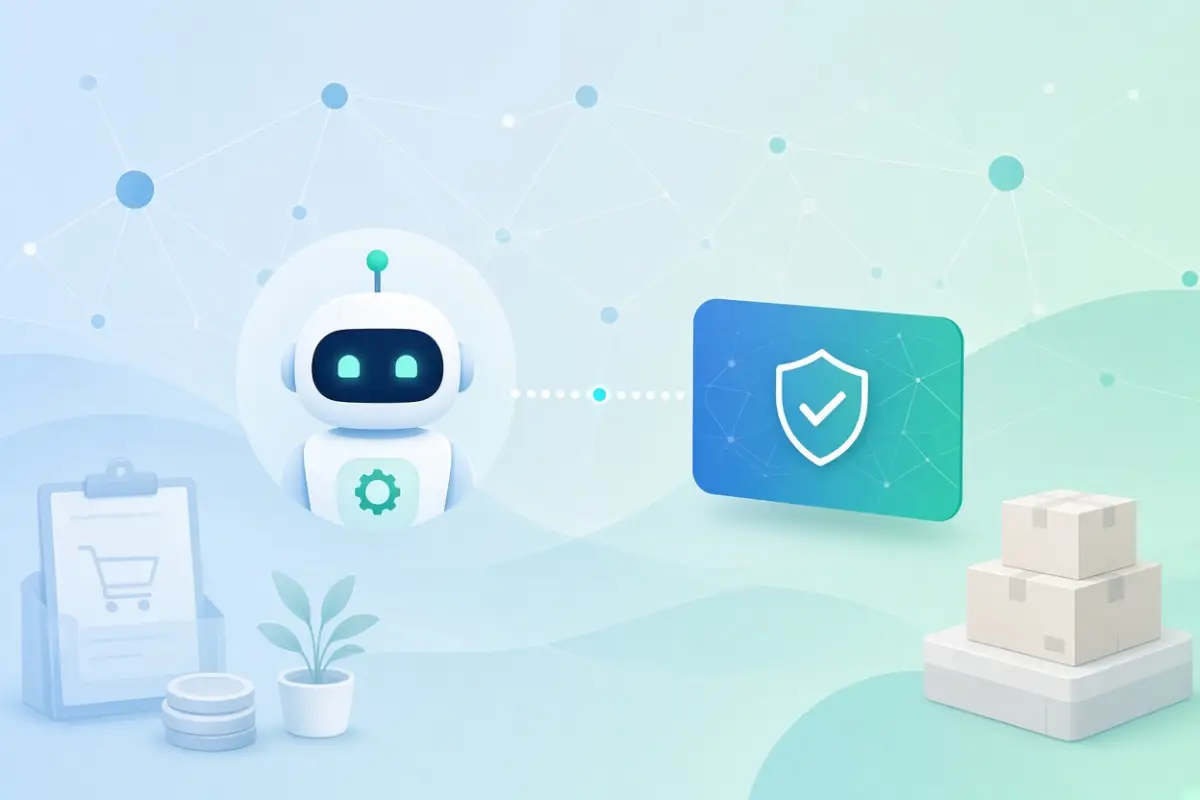
The agent, LianLian XWorker, is registered in Visa’s Agentic Directory. Before making the payment, it received a tokenized credential issued specifically for its use. That lets the agent be treated as a separate participant in the transaction and keeps it within limits set by the business.
Visa and Lianlian call it the first transaction of this kind in the Asia-Pacific involving a payment token created specifically for an authorized AI agent.
This was not the companies’ first test of AI-driven business purchases. In an earlier trial, another Lianlian agent, LoopX Pay, spotted a purchasing need, compared suppliers, placed an order and completed payment while following spending limits and approval rules set in advance.
The latest test goes a step further. XWorker received its own tokenized credential through Visa Intelligent Commerce Connect and used it to finish the purchase. Instead of relying only on an existing corporate payment method, the agent had a credential issued specifically for its transactions.
Tokenization replaces original payment details with a digital identifier. Combined with agent registration and controls set by the business, it lets companies decide what an AI agent can buy and how much it can spend. A business could, for example, allow an agent to order office supplies while blocking other categories or setting a maximum amount. Visa and Lianlian have not disclosed the exact limits used in their test.
Visa Intelligent Commerce Connect provides access to Visa’s payment infrastructure for transactions started by AI agents. It brings together tools for agent identification, payment tokenization, authentication and transaction controls. Visa’s Agentic Directory helps participating businesses identify registered agents and other parties involved in these transactions.
For Lianlian DigiTech the technology could be used in procurement, supplier payments and other routine operations. The companies plan to keep exploring these uses, including for small and medium-sized businesses.
Stephen Karpin, Visa’s president for Asia Pacific, said trust would be essential if businesses are to adopt AI agents in commerce. He said the collaboration combines Visa’s B2B payment capabilities with tools meant to keep agent-initiated transactions secure and under business control.
As AI agents take on more purchasing tasks, companies will need ways to give them payment access without handing over unrestricted control of their funds. The Visa and Lianlian trial is one example of how payment networks are trying to address that.