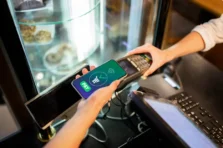
Adyen and Uber are expanding their payments partnership with physical kiosks that bring ride booking and checkout experiences into real-world locations beyond the smartphone.
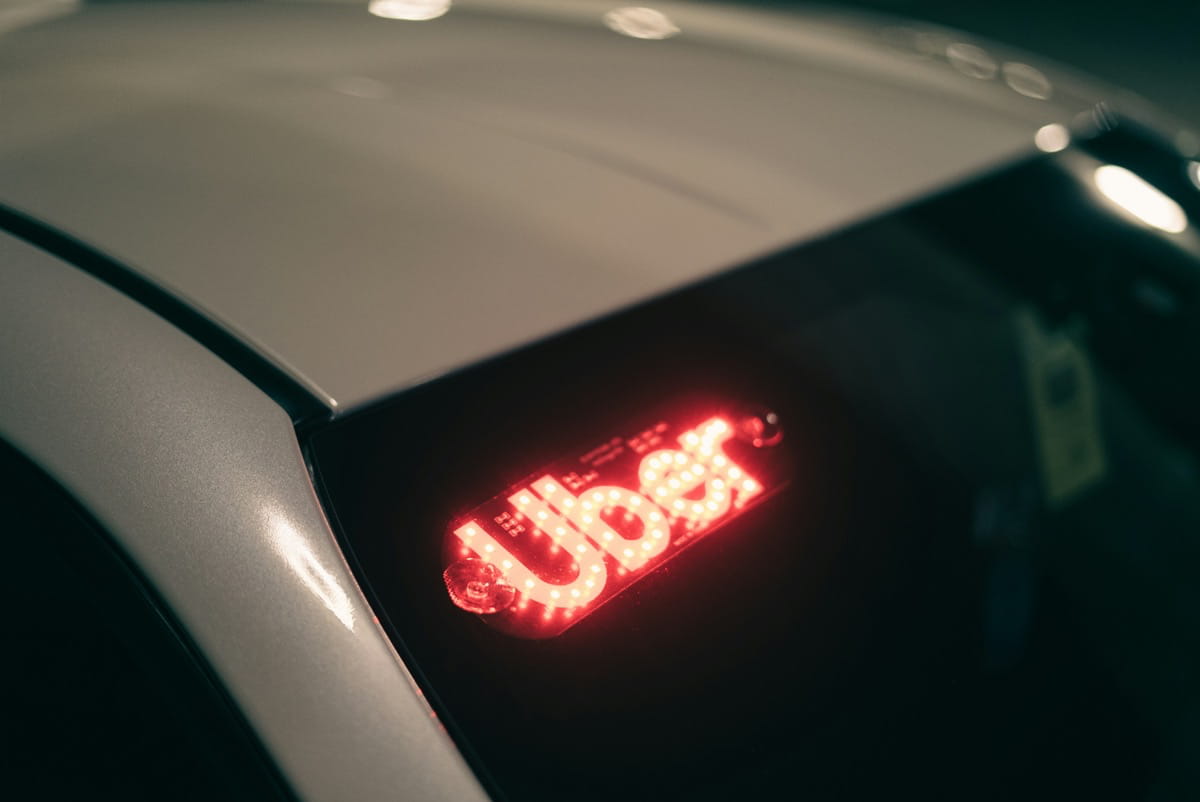
Adyen and Uber have renewed and expanded their long-standing global partnership, strengthening the payment infrastructure that supports Uber’s mobility and delivery services in over 70 countries. As part of this expansion, Uber is rolling out payment kiosks powered by Adyen terminals that let travelers book rides even without the Uber app or a smartphone, with the first unit launched at LaGuardia Airport’s Terminal C in New York and more planned for airports, hotels, and ports worldwide.
The expanded agreement also broadens the range of payment methods Uber accepts in new and existing markets. Through Adyen’s Checkout API, Uber can integrate local and alternative payment options like Brazil’s Pix, AfterPay in Australia, and WeChat Pay for users engaging via the WeChat mini app. Meanwhile, local acquiring capabilities in markets such as Japan, Mexico, New Zealand and Australia aim to improve acceptance rates and reduce cross-border transaction costs.
This move reflects a larger trend in fintech where offline and online payment experiences are converging. For users, kiosks provide a seamless way to access services without digital barriers, being especially useful for travellers without local mobile data or who haven’t installed the Uber app. Instead of having to open an app and enter payment info, riders can interact with a physical interface that handles booking and payment in a single flow.
For Adyen, the kiosk rollout serves as a real-world showcase of its in-person payment solutions, reinforcing the company’s role in powering transactions across digital and physical touchpoints. For Uber, it expands the reach of its platform to contexts where app-based access may not be practical — a step toward making mobility more universally accessible.
Industry watchers see this as part of a broader 2026 push toward embedded finance and contextual payments, where financial services are woven directly into everyday experiences instead of being siloed behind apps or traditional checkout systems. As payments become more flexible, responsive, and contextual, collaborations like Adyen and Uber’s kiosks point toward a future where transactions happen wherever users need them most.