A new round of financing from the African Development Fund aims to accelerate private sector development, enhance economic zones, and reinforce climate and governance reforms as Benin advances toward stronger, more diversified economic growth.
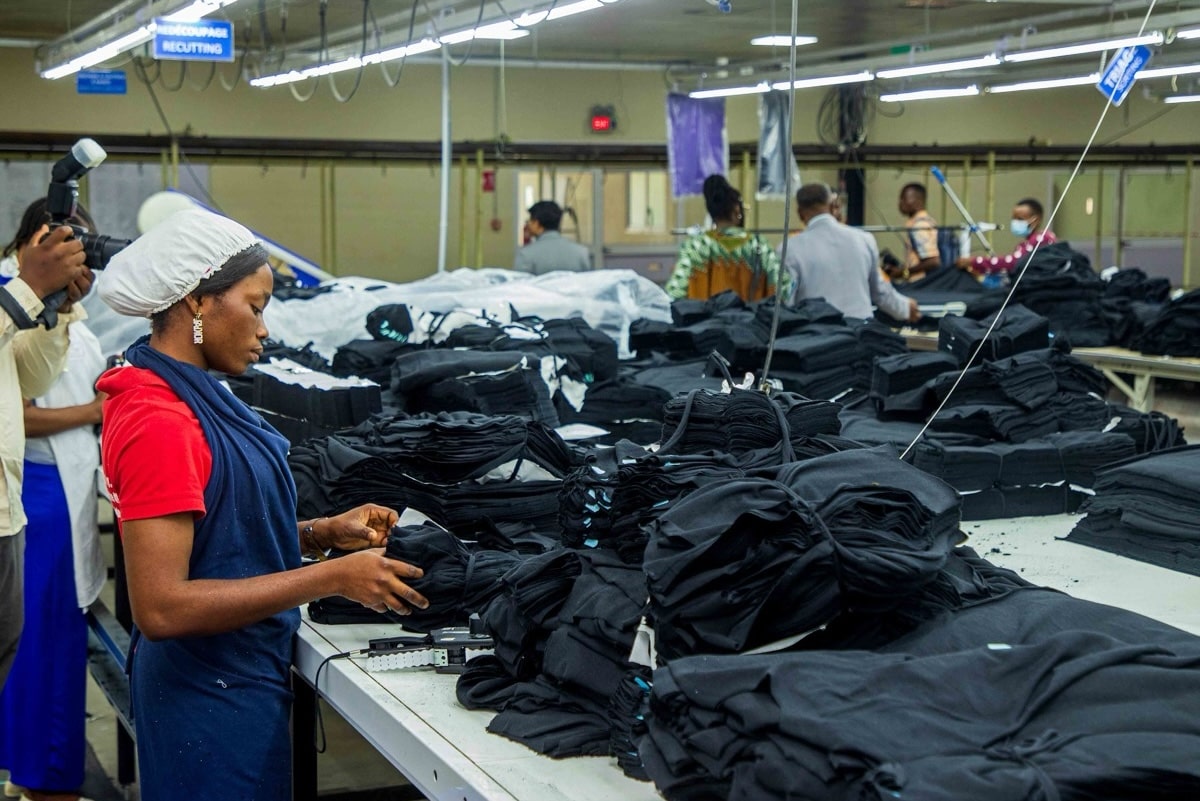
The African Development Fund has approved an additional 28 million dollars in financing for Benin to continue the Economic Governance and Private Sector Development Support Programme.
This new allocation, endorsed on 24 November 2025, follows two earlier phases carried out during 2023 and 2024. It is designed to expand the contribution of the private sector to national economic performance while deepening reforms in business regulation, agro-industrial development, climate resilience, and the operational capacity of Special Economic Zones.
According to Robert Masumbuko, the African Development Bank Group’s Country Manager in Benin, the new funding reflects the successful implementation of the programme’s initial phases by the Government of Benin. By extending support, the Fund aims to help the country achieve several key outcomes by 2025.
These include raising private investment to 35.5% of GDP compared with 29.9% in 2022, increasing investment in the Glo-Djigbé Special Economic Zone to 23 billion CFA francs, which is approximately 40.5 million dollars, and expanding the value added of the agri-food sector to 7.7% of GDP compared with 6.1% in 2022.
Ammar Kessab, Senior Programme Manager at the African Development Bank, noted that the programme now consolidates almost 100 million dollars in total support across its three phases. The next steps include measures to improve competition policy through a new decree establishing the National Competition Authority and defining its mandate and governance. The government will also formalize the Directorate for the Promotion of E-commerce to lead the implementation of the National E-commerce Strategy for 2025 to 2029.
Further actions include updating the gender assessment for the agricultural sector to align with gender responsive budgeting requirements. This approach will help ensure that public interventions better support women working across the sector and contribute to more inclusive economic outcomes.
As of 2023, gross fixed capital formation by the private sector in Benin was about 32.5% of GDP. Meanwhile, domestic bank credit to the private sector stood at ~19.0% of GDP in 2024. Although private-sector investment and financing represent a significant share of economic activity, they do not capture the full value added of all private-sector output, especially given a large informal sector in Benin.