An AI startup projecting nearly $20 billion in annualized revenue is a headline that shifts investor and enterprise expectations — and it raises practical questions about growth drivers, customer concentration, and future earnings.
Sources familiar with Anthropic’s internal planning have reported that the company is targeting an annualized revenue run-rate approaching $20 billion for 2026, following a rapid climb in commercial uptake of its Claude models and enterprise products. The projection doesn’t seem improbable, considering that the startup reported an annualized revenue run rate of around $14 billion for 2025.
As with any internal projection, though, the figure reflects management targets under selected assumptions rather than audited results. At the same time, the AI company has just secured a massive $30 billion Series G funding round to expand its model suite, scale infrastructure, and increase the global availability of Anthropic AI products.
How Anthropic would get there actually goes down to several growth engines: large enterprise contracts, higher-tier API usage for generative applications, and new agentic or developer tools (including Claude Code and productivity agents) that can scale revenue quickly once adopted across major customers. Industry commentators also note that a small number of large enterprise deals, where customers pay seven- or eight-figure annual contracts, can materially lift run-rate figures in a single reporting period.
A near-$20B run-rate would place Anthropic among the largest commercial AI vendors globally, but caveats are not to be ignored. Run-rate extrapolations depend on sustained demand, limited churn, stable pricing, and continued model differentiation. On the other hand, competition, regulatory change, and the cost of serving high-intensity model workloads (infrastructure and energy) are real headwinds.
For investors, the big revenue numbers help justify higher company valuations, but they also make people look more closely at profits and how efficiently the company uses its money. More official reports and outside analysis are expected as Anthropic turns these internal projections into real financial results or fundraising updates.
For businesses, Anthropic’s high projected revenue shows that Claude is becoming a reliable and established option, which can make companies more confident in using it. At the same time, it raises questions about how much Anthropic can charge and whether customers might become too dependent on their services.
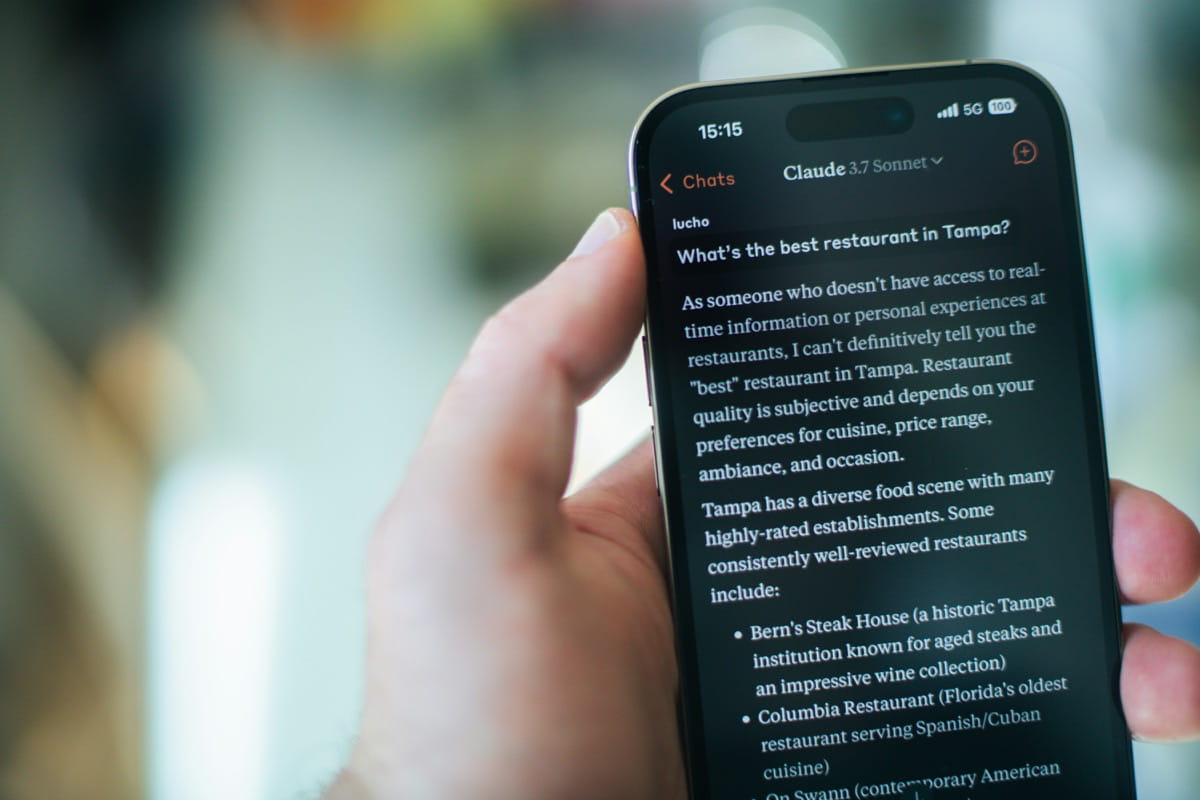
A recent case of Claude AI models suffering several outages in a single week clearly displayed that many companies and individuals greatly depend on Anthropic’s artificial intelligence tools in their daily work routines. Numerous messages on social media indicated that, for many, Claude AI is indispensable. Specific challenges were faced by software developers who had really gotten accustomed to automated coding so that manual work in that field seemed almost like a last-century archaism.
This AI coding boom is one of the underlying reasons for “unprecedented demand” for Claude AI tools that caused service breakdowns in the first place. Claude jumped from outside the top 100 to #1 on the U.S. App Store, overtaking ChatGPT, as of recent. The number of free AI app users grew about 60% in a single month as well. Another factor that stimulated such a surge is that the company rejected a Pentagon deal, similar to the one OpenAI is highly criticized for at present.