Paying internationally just got easier for travelers using RoamingPay from PagBrasil. All they need is a familiar mobile banking app or digital wallet and a QR code or payment key to initiate the transaction. Interoperability is handled on the back-end.
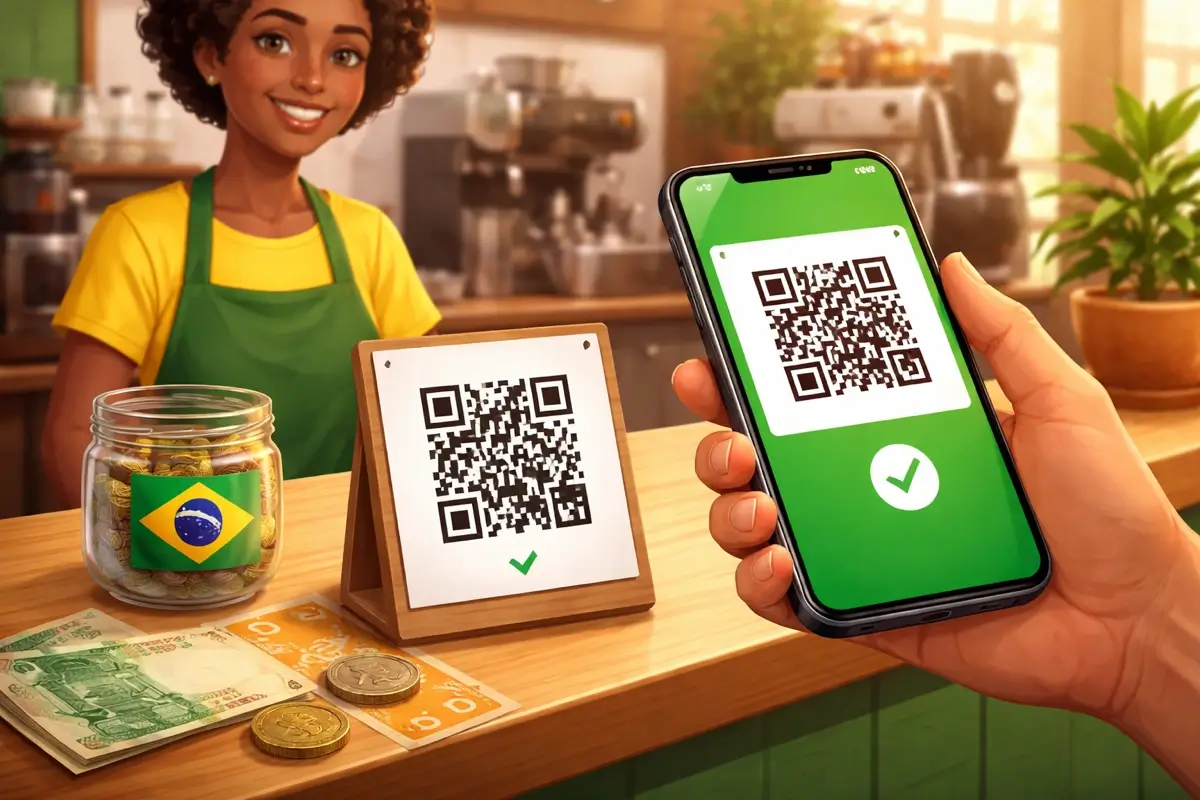
PagBrasil, top online payment processing service in Brazil focusing on multinational digital businesses, has introduced its innovative RoamingPay solution. The tool connects financial institutions to local payment networks from different jurisdictions. This way, buyers transact in their local currency from the domestic banking app or wallet, while merchants receive the funds in their native currencies in the same manner that works for fully internal purchases.
The product tackles one of the main issues in modern cross-border payment scenarios: lack of interoperability. In many countries of the world, instant QR code payments are a hit. However, the problem is tourists from another country cannot easily access the same fintech infrastructure available for domestic users.
Pix is a universal payment method in Brazil. It is now being rapidly deployed across third-party apps in other LatAm markets and undergoing direct integration with the payment ecosystem of Argentina. However, for the citizens of most world countries it is physically impossible to pay via Pix codes. Despite common shift towards faster and convenient transactions, interoperability between the many global instant-payment systems and QR standards that exist around the world is far from universal.
PagBrasil has long harboured the idea to fix this predicament. The company earlier developed “Pix for international payments” and “Pix for international travelers,” allowing Brazilians to leverage Pix payment system abroad and international visitors access Brazil’s Pix infrastructure while traveling there.
However, expanding Pix alone cannot be the ultimate solution for international payments. Today, we have Bre-B (Colombia), AliPay (China), UPI (India), Bizum (Spain), and the different interoperable QR codes in Argentina, Paraguay, and Peru. The multitude of popular payment standards calls for a unified interoperability layer. That’s where RoamingPay steps in.
RoamingPay removes the need to extend any single payment system, such as Pix, beyond its domestic infrastructure. It links financial institutions to different payment networks seamlessly, acting as an infrastructure layer that manages the technical connections between payment networks, currency conversion, settlement across jurisdictions, and compliance with different regulatory frameworks.
The benefit for both merchants and customers is evident. They don’t need to change any of their payment making or accepting habits. Travelers pay abroad via QR codes or payment keys provided (i.e. account aliases like e-mails or phone numbers) using their own banking apps or digital wallets. From the merchant’s perspective, such a transaction doesn’t differ from a domestic one at all. The purchase amount is received through the local network, in the local currency, without any extra integrations.
At launch, the solution is available in Brazil and Argentina. Near-future expansion plans include additional markets across Latin America, Europe and beyond.