Razorpay has received the Reserve Bank of India’s Payment Aggregator – Physical (PA-P) licence, marking a significant step in strengthening compliant, scalable in-store payments for merchants nationwide.
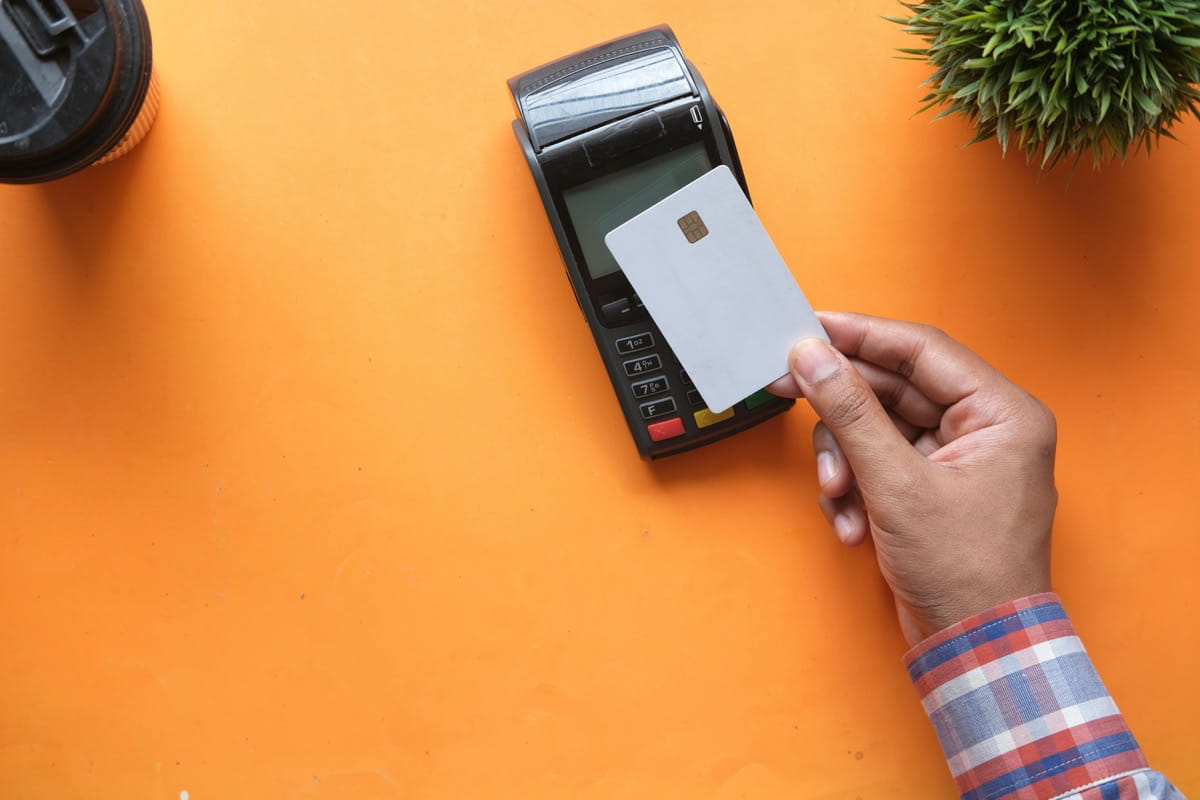
The approval enables Razorpay POS to operate as a regulated payment aggregator for physical transactions, that remain the dominant channel for consumer purchases in India, aligning in-person payments with the same regulatory standards that govern online and cross-border flows. The development comes as India’s payments ecosystem continues to formalise, with regulators placing greater emphasis on transparency, consumer protection, and system resilience.
With the PA-P licence in place, Razorpay now holds all three foundational RBI authorisations: Payment Aggregator for online transactions, Payment Aggregator for physical payments, and approvals supporting cross-border payments. This positions the company among a limited group of players licensed to support merchants end-to-end across digital, offline, and international payment use cases.
The expanded authorisation strengthens Razorpay’s ability to serve large and fast-growing businesses that require unified payment infrastructure across channels, while meeting evolving compliance requirements. Rather than treating regulation as a later-stage requirement, Razorpay has built regulatory readiness into its core payments architecture, enabling faster rollout of new services within defined supervisory frameworks.
As in-store payments continue to scale alongside digital commerce in India, the PA-P licence enhances Razorpay’s role as infrastructure provider for merchants seeking secure, compliant, and future-ready payment solutions. The firm’s POS innovations have facilitated trading processes for thousands of local e-commerce merchants so far. One example is Razorpay’s instant UPI transaction refunds that reduce refund processing time from conventional 5-6 business days to about 2 minutes.
With the new license, Indian fintech also has a chance to bring more convenience to offline and multi-channel sellers. In India’s retail market, the vast majority of purchases still happen in physical stores rather than online. According to industry data, e-commerce accounts for a relatively small share of total retail sales, around 7.8% of the whole market, meaning that roughly over 90 % of retail purchases occur offline in brick-and-mortar stores.