With the new guidelines proposal, MAS is clearly signaling that Singapore aims to be one of the global leaders in safe, responsible AI adoption within financial services, encouraging innovation, but not at the expense of risk.
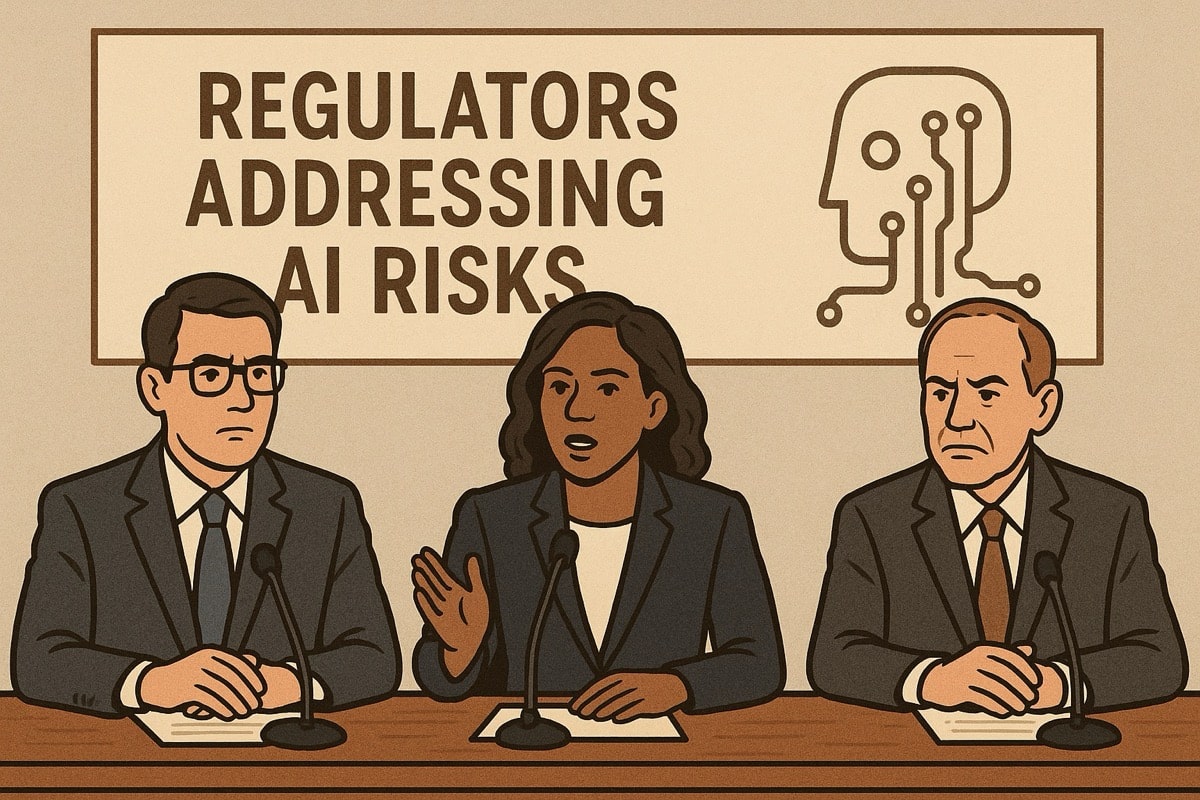
The Monetary Authority of Singapore (MAS) has unveiled a consultation paper detailing proposed Guidelines on Artificial Intelligence Risk Management for financial institutions, marking a major step in the city-state’s drive to govern AI safely without stunting innovation. The move reflects MAS’s ambition to balance responsible innovation with stringent supervision, safeguarding consumers, market integrity, and financial stability as AI use rapidly expands across the sector.
Under the proposed measures, all MAS-regulated financial institutions would be expected to actively manage risks associated with AI systems, including generative AI and advanced AI agents. A central tenet of the guidelines is governance: senior management and boards would shoulder real accountability, tasked with maintaining an inventory of all AI systems in use, regularly assessing the materiality of each, and embedding policies to monitor risk and control change.
MAS also calls for lifecycle controls throughout the AI development and deployment process, from data governance and model validation to explainability, human oversight, and ongoing performance monitoring. Companies would be required to tailor risk management to the complexity and potential impact of each use case, following a risk-based, proportional approach rather than a one-size-fits-all model. Further, institutions must build internal capacity in both human expertise and technical systems to oversee AI responsibly and effectively. For third-party AI providers, MAS expects strict due diligence, contract controls, and continuous oversight.
The consultation phase runs until 31 January 2026, allowing industry players to provide feedback before the final guidelines are adopted. MAS is emphasizing that these are supervisory expectations, not legally binding rules, though firms are likely to treat them as de facto best practice given their comprehensive coverage.
In many respects, Singapore’s proposed approach mirrors and even advances global regulatory trends. Compared to the EU’s AI Act, which classifies AI systems by risk and imposes mandatory requirements for high-risk applications, MAS’s guidelines go further in demanding board-level governance and proportional oversight for financial players.
Meanwhile, in the UK, regulators such as the FCA and Bank of England rely on principles-based guidance; MAS’s detailed, lifecycle-focused approach could serve as a more operational playbook. In the US, regulatory oversight remains fragmented, with individual agencies applying AI risk guidance through existing model-risk and consumer-protection frameworks. Singapore’s guidelines may offer a stronger, more unified benchmark for firms operating across jurisdictions.