A proposed update to U.S. entry rules could significantly reshape how millions of visa-free travelers prepare for trips to the United States, tightening security while intensifying privacy concerns.
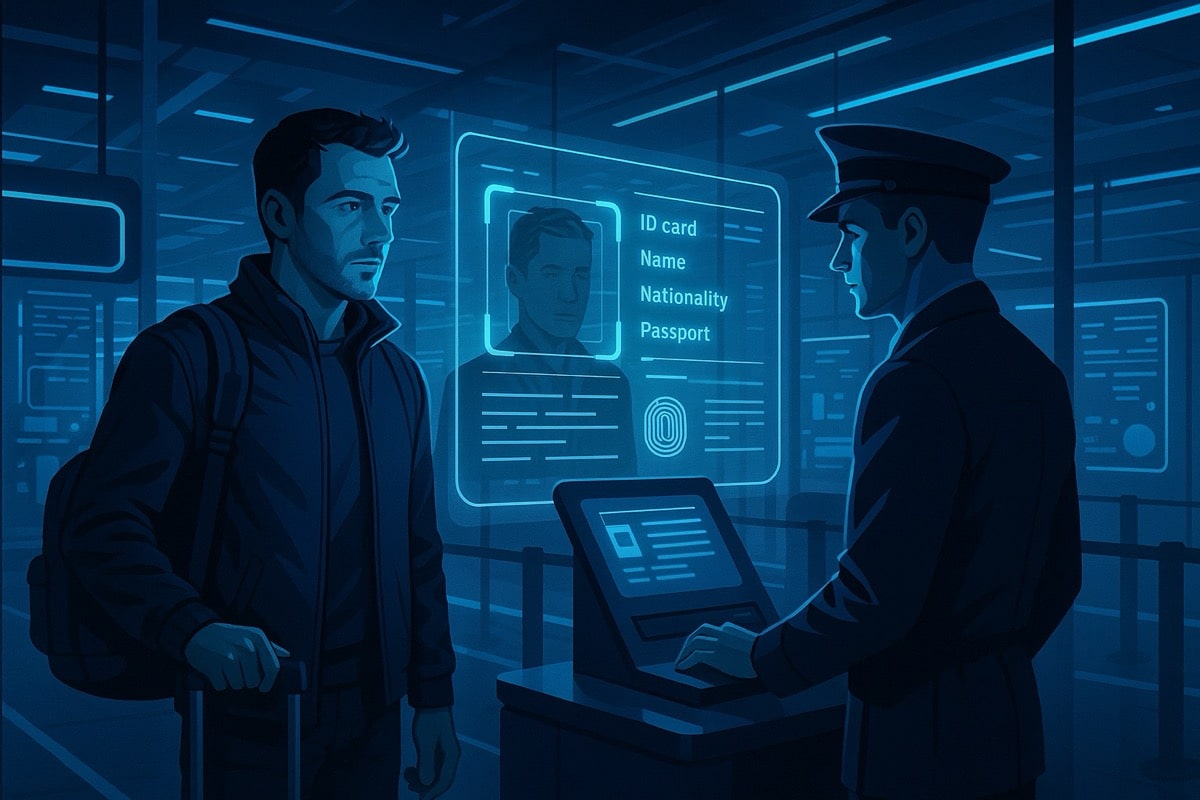
The U.S. Customs and Border Protection (CBP) agency has published a proposal that would expand the amount of personal data required from travelers entering the United States under the Visa Waiver Program (VWP). If implemented, the changes would affect tourists from 42 visa-exempt countries, including most of Europe, Japan, South Korea, Australia, and other long-standing U.S. partners.
Under the proposal, travelers applying for authorization through the Electronic System for Travel Authorization (ESTA) would be required to disclose significantly more information than is currently mandatory. This would include all telephone numbers used over the past five years, email addresses used in the past ten years, detailed information about immediate family members, and records of social media activity from the last five years. Some of these data points were previously optional, while others represent entirely new requirements.
From a regulatory and security perspective, U.S. authorities frame the update as a modernization of border screening. Expanded data collection is intended to strengthen identity verification, improve risk assessment, and help border officials detect potential threats earlier in the travel process. Supporters argue that enhanced pre-arrival screening could reduce delays at ports of entry, improve overall border efficiency, and reinforce national security at a time of increasing digital and geopolitical risks.
However, the proposed changes have also triggered concern among privacy advocates, travel industry groups, and international observers. Critics warn that mandatory disclosure of extensive personal and digital histories could be perceived as intrusive and disproportionate, particularly for tourists traveling for short stays. The requirement to provide years of social media activity has raised questions about how such data would be analyzed, stored, and protected, as well as the risk of misinterpretation or bias.
There are also potential economic and diplomatic implications. Travel and tourism organizations have cautioned that more complex application requirements could deter some visitors, especially casual tourists, students, and small business travelers. Any decline in arrivals could affect airlines, hospitality providers, and local economies that rely heavily on international tourism. For U.S. allies, the proposal may prompt renewed debate over reciprocity, data protection standards, and cross-border trust.
At this stage, the proposal has been published for public comment and is not yet in force. Feedback from industry stakeholders, civil society groups, and foreign governments could lead to revisions before any final rule is adopted.
Overall, the CBP proposal highlights a growing global tension between border security and traveler privacy. For international tourists, it signals that visa-free travel to major destinations may increasingly come with higher data disclosure expectations, reshaping how global mobility is managed in the digital age.