You can challenge a car accident claim without eyewitnesses by relying on physical evidence, photographs, vehicle damage, electronic records, medical documentation, and expert analysis. Witness testimony can be helpful, but it is not the only way to establish what happened. A claim may still be disputed or defended when the available evidence provides a reliable account of the collision.
When another party threatens to sue after a car accident, the absence of witnesses does not mean that their version of events must be accepted. In Texas, the parties still need evidence to support their allegations and defenses. A careful investigation can reveal inconsistencies, establish the sequence of events, and help determine whether the claimed injuries and damages are supported.
Start With the Physical Evidence
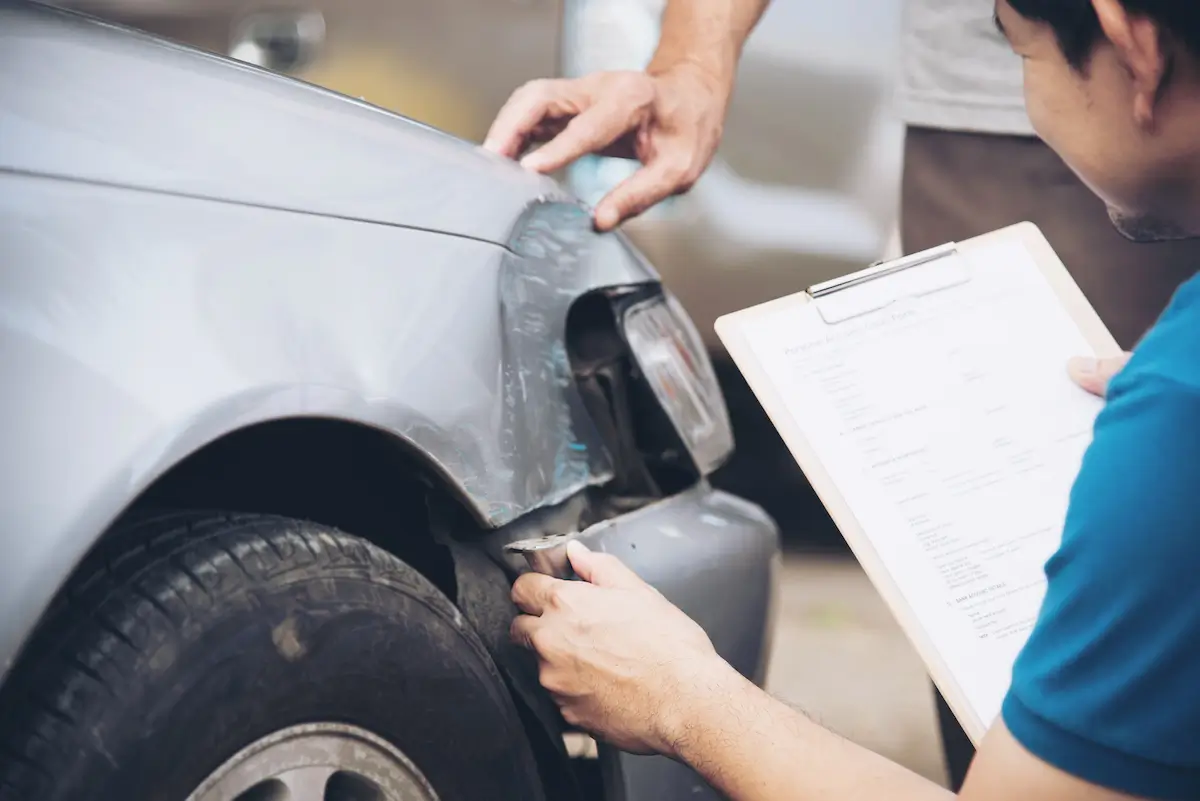
Physical evidence can provide important information about how a collision occurred. The location and severity of vehicle damage may help indicate the direction of impact, the areas of contact, and whether the damage is consistent with the account provided by either driver.
Photographs taken at the scene can be particularly useful. Images may show skid marks, debris, road signs, traffic signals, vehicle positions, weather conditions, and damage to surrounding property.
If the vehicles have already been moved or repaired, photographs taken shortly after the accident, repair estimates, and inspection records may still provide valuable information. Avoid repairing or disposing of a badly damaged vehicle before relevant evidence has been documented, when practical.
Look for Video and Electronic Records
A collision may have been recorded even when no person saw it happen. Dashcams, nearby business security cameras, residential cameras, and traffic-monitoring systems may capture part of the event.
Modern vehicles may also contain event data recorder information. Depending on the vehicle and the event, this information may help identify details such as speed, braking, throttle position, and other vehicle activity shortly before or during a collision. Access and interpretation can require specialized equipment and expertise.
Use Medical Records to Examine Injury Allegations
Medical records can help determine whether the injuries claimed are consistent with the accident and whether treatment was reasonably connected to the collision. Emergency room records, diagnostic imaging, physician notes, and physical therapy documentation may establish the timing and nature of reported injuries.
A lack of immediate symptoms does not automatically mean that an injury is unrelated to the crash. Some conditions may become apparent later. However, gaps in treatment, inconsistent descriptions of symptoms, or records showing an earlier similar condition may become relevant when evaluating the claim.
Consider an Accident Reconstruction Analysis
When the drivers provide conflicting accounts and no eyewitnesses are available, an accident reconstruction professional may help analyze the physical evidence. The professional may examine vehicle damage, photographs, road measurements, available video, and electronic data to assess the likely sequence of events.
Understand Texas Comparative Responsibility Rules
Texas follows a modified comparative responsibility system under Chapter 33 of the Texas Civil Practice and Remedies Code. A person’s recovery may be reduced according to their percentage of responsibility. Under the statute, a claimant generally cannot recover damages if their responsibility is greater than 50 percent.
This rule can matter when both drivers accuse each other of causing the crash. The absence of witnesses does not automatically make the parties equally responsible. The evidence must be evaluated to determine what each person did and how those actions contributed to the collision.
Frequently Asked Questions
Can vehicle damage prove who caused the accident?
Vehicle damage may help explain the direction and location of impact, but it should be considered alongside other evidence rather than treated as conclusive proof by itself.
What Should You Do if You Are Sued After an Accident?
Do not ignore the lawsuit. Meet the response deadline, preserve relevant evidence, notify your insurer, and seek legal guidance to understand your defense options.
Key Takeaways
- Eyewitness testimony is not required to challenge or defend a car accident claim.
- Vehicle damage, scene photographs, and road evidence can help establish how a collision occurred.
- Dashcams, surveillance footage, and event data may provide information about the crash.
- Medical records help evaluate the timing and extent of claimed injuries.
- Texas comparative responsibility rules can affect whether and how much a claimant may recover.