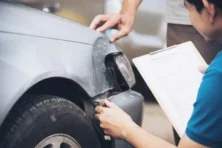
If you get hurt at a place open to the public, seek medical attention, report the accident, and document what happened. These steps protect your health, create an incident record, and preserve evidence if someone else’s negligence contributed to your injuries.
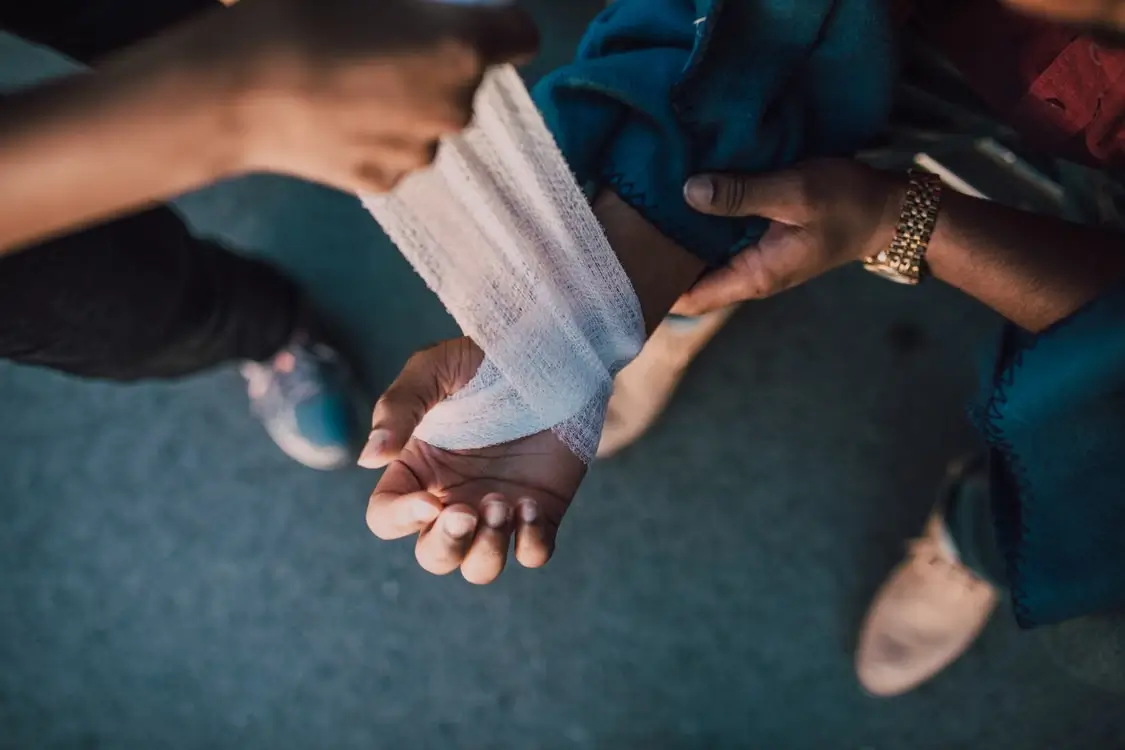
Grocery stores, shopping malls, restaurants, hotels, and parking lots are used by many people every day. Property owners and businesses generally have a responsibility to take reasonable steps to keep their premises safe for visitors. When they fail to address dangerous conditions, people can suffer serious injuries.
Knowing what to do after a premises liability accident can help you manage medical expenses, communicate with insurance companies, and understand your legal options.
Seek Medical Attention Immediately
Your health should be the first priority after an accident. Some injuries may not cause noticeable symptoms immediately, so do not assume you are unharmed just because you initially feel fine.
Get a Medical Evaluation
Call 911 if the injury is serious. Otherwise, visit a healthcare provider promptly and follow the recommended treatment plan. Keep copies of medical records, prescriptions, and bills. These documents can help connect your injuries to the accident if you later pursue compensation.
Report the Accident and Gather Evidence
Once you are safe, notify the person responsible for managing the property, such as a store manager, restaurant supervisor, or building manager. Reporting the incident creates a written record that may be useful when dealing with the property owner’s insurer.
Request an Incident Report
Ask the manager to record when and where the accident occurred and what caused your injury. Request a copy of the report or note the name of the person who received your complaint.
Take Photos and Collect Witness Details
If it is safe, photograph the hazard, surrounding area, warning signs, and visible injuries. For example, if you slipped on a wet grocery store floor, take pictures of the spill and whether warning signs were present.
Collect contact information from anyone who witnessed the accident. Also, keep relevant items, such as damaged clothing or footwear, that may help document what happened.
Understand the Property Owner’s Responsibility
Property owners and businesses may be legally responsible when unsafe conditions cause visitors to suffer injuries. However, liability depends on the circumstances and applicable state law.
Identify the Hazard That Caused the Injury
Common hazards include wet floors, uneven walkways, broken stairs, poor lighting, falling merchandise, and obstructed pathways.
The Restatement (Second) of Torts, Section 343 provides a framework for determining when a property owner may be liable for injuries caused by dangerous conditions. It considers whether the owner knew or should have discovered the hazard, recognized the unreasonable risk, and failed to take reasonable steps to protect visitors.
Consult a Premises Liability Attorney
If your injuries are serious, the property owner disputes responsibility, or the insurer refuses to offer fair compensation, consider consulting an attorney. A lawyer can review the evidence, explain applicable state laws, and help determine whether you have grounds for a claim.
Avoid accepting an insurance settlement before understanding your injuries and potential expenses. Also, remember that filing deadlines vary by state, so seek legal advice promptly to avoid missing an applicable deadline.
Frequently Asked Questions
1. Can I File a Claim If I Was Partly Responsible for My Accident?
Possibly. Many states follow comparative negligence rules, which may allow injured people to recover compensation even if they share some responsibility. The amount may be reduced based on their share of fault.
2. What If the Property Owner Refuses to Provide an Incident Report?
You can still document the accident independently. Keep photographs, witness details, medical records, and written communications. An incident report is helpful but is not the only way to establish what happened.
Key Takeaways
- Seek medical attention and report the accident promptly.
- Photograph the hazard and collect witness information.
- Keep medical records and other relevant evidence.
- Property owner liability depends on the circumstances and state law.
- Consider legal advice if injuries are serious or liability is disputed.