Mixing the pleasant with the useful, you can simultaneously take care of your budget and the environment
We live in an age of food additives and artificial foods, and it is not a big secret that healthy and eco-friendly goods usually cost more. It also applies not only for the food we eat, but also for almost everything we consume. But eco-friendly lifestyle doesn’t necessarily have to be unaffordable.
PaySpace Magazine would like to share our musings on how to reduce people’s impact on the environment and how to consume less. That can save your budget, and significantly reduce the harm we bring to Mother Nature.
Reusable mindset
Have you ever wondered how many plastic bottles are consumed every day/month/year? According to statistics, more than 500-600 billion plastic bottles are sold every year worldwide. It means about 1 million plastic bottles purchased every minute globally. And more than half of these bottles are not recycled.
Why don’t people just refill a bottle? If you don’t want to reuse a disposable bottle once again, you can buy a reusable one. Not to mention that filtered water can save you a lot of money. It depends on the country you live in, but approximately you pay 5-10 times more for a litre of bottled water compared to the same quantity of filtered. The same situation is with the plastic bags here. Around 1-5T plastic bags are used annually worldwide. It is not so hard to refuse these bags, and buy a hand/hobo/bucket/drawstring bag. Thus you would use plastic bags only when absolutely necessary.
Same goes for a quite expensive coffee habit. No less than 500B plastic cups are used each year all around the world. Use porcelain cups in cafes and buy one for your home (if you still don’t have one). At the same time, think about how much you spend on coffee. Home-made coffee would cost you around $0.31 per cup with regular ground coffee, or 0.57-1.06 with specialty beans (plus electricity bill and equipment, of course), while an average cup of coffee outside at an independent coffee shop costs $3.25-4.90. Latte might be more expensive – starting from $5.00. We’re not even mentioning some fancy Starbucks coffee drinks price that might take up to $9. We’ll leave basic maths for you.
Second hand
Apparently, there are not so many people who want to go shopping in cheap/budget (sometimes dirty) second-hand stores. But we live in the digital era, and such apps as eBay, Letgo/OfferUp, and tons of similar ones made it easier (and safer) to buy second-hand clothes, and even more. You can find almost anything you want there, from used furniture and cars to clothes and somehow discounted household chemicals. And if you have never tried this option – then just give it a go.
Repair before replacing
Sometimes you get a broken zipper, a loose chair leg, a damaged toaster, or a pair of shoes with worn-out soles. It’s not a catastrophe. It doesn’t necessarily mean you need to buy a new item. Before throwing it away, check maybe you can fix it. Simple fixes cost much less than replacement. Professional repair services or local repair cafés can help with more complicated problems. But they can also be more expensive. In some cases, when repair costs a lot, buying new things is more reasonable. You can also find free tutorials online to learn basic DIY, like sewing, furniture repairs, and appliance maintenance. The longer you use the things you already own, the less you spend on replacements. On bigger scale, fewer resources are needed to manufacture new products if people use products longer.
Home cooking
Nowadays everybody is so busy, and this is reasonable since the city lifestyle makes the rules. In rural areas people live at a slower pace, but if you live in a big city, sometimes you don’t have time to cook something, hence take home-made lunch with you. Meals on the go (if not on the run) are getting more and more popular, and have planted deep roots in our everyday lives. Sandwiches, hot dogs, wok to go, salads, and other similar meals are usually in plastic or paper packaging. Cooking at home and taking lunch in reusable (see point 1) boxes, such as Tupperware, would save you a considerable amount of money and reduce the harm to the environment. Therefore, if you are able to handle some time management, you could save $4-12 (an average lunch price) each day, hence $120-$360 monthly.
Ugly doesn’t mean non-usable
Did you know that at least third of fruit and vegetables are thrown out as waste, because they look malformed or are the wrong size? However, it doesn’t mean they are unfit for human consumption. Fortunately, multiple supermarkets have changed the way they sell such kinds of perishables, and formed lower prices for them. Thus, you can kill two birds with one stone: reduce wastage of relevant products, and save money, after all.
This is a good example of how it works in real life. Usually, people don’t buy a banana that was detached from a “banana cluster” because they think there is something wrong with it. The truth is, there is nothing wrong with those bananas, they are just lonely. In some supermarkets over the world, these bananas are sold at special discounted price to not let them rot.
Fascinating farming
This option is not suitable for everybody. Nevertheless, you may find some time to read more about growing your own produce. Obviously, having a garden would considerably ease the process, but a lot of people are already enjoying growing lettuce, parsley, dill, cucumbers, carrots, lemons, tomatoes, and many more indoors. You can find a lot about the ways to implement this on the internet, particularly multiple related well-detailed YouTube videos which will come in handy. Just don’t forget to place shoots/seeds next to a sunny window.
Consider cycling
We don’t know which country you live in, but you can count up how much money you spend on public transport (or even gas for your car) each month. Cycling is a good answer when it comes to saving up and reducing emissions, consequently impacting on the environment. Walking or cycling (especially the latter) isn’t always an option, particularly when it is cold outside, or pouring rain takes over. There are not always sunny days, but the weather is not always unfavorable either.
Bulbs
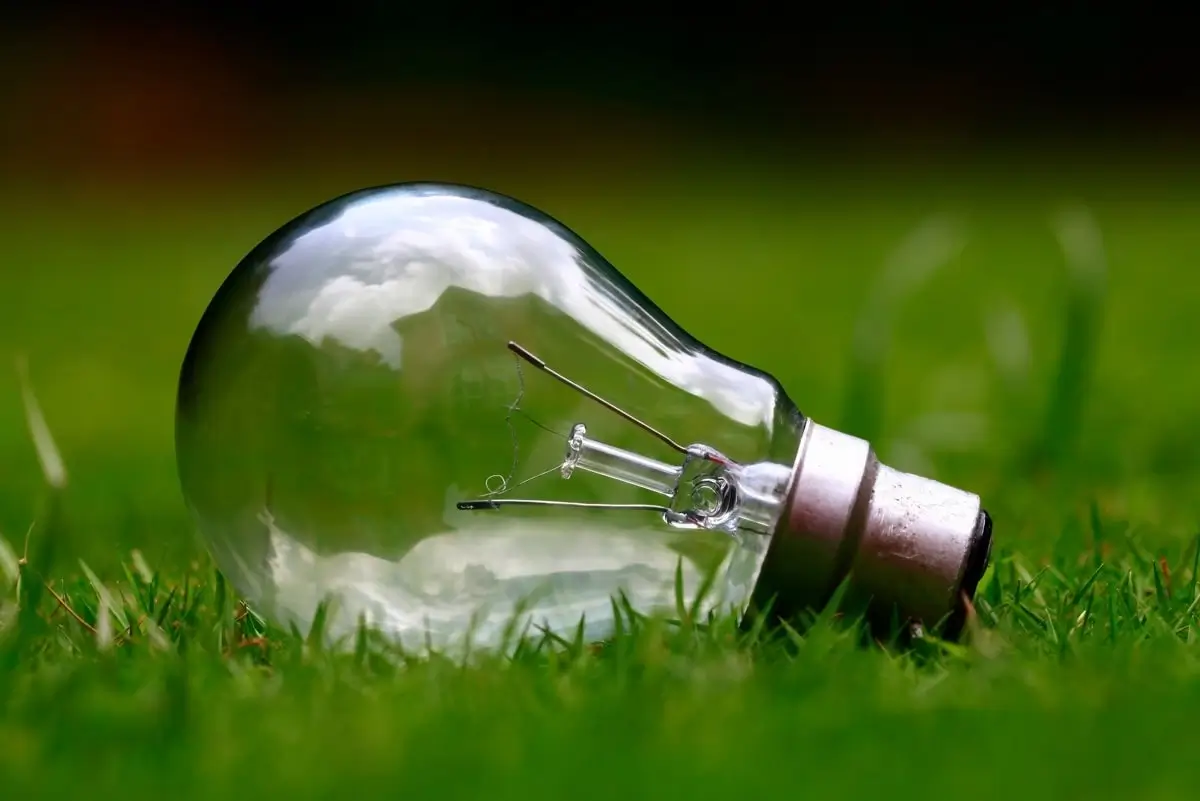
You can significantly save if you switch to LED bulbs. Join the bright side!
Don’t waste energy
Small changes in everyday habits can make wonders to your electricity bills and environment as well. Turn off lights when leaving a room. Unplug chargers and electronics you aren’t using and avoid leaving appliances on standby. Washing clothes at lower temperatures and running full loads can also reduce your energy and water use. If you use a dishwasher, try choosing eco mode whenever practical. These habits are low-effort but can help pay less for household and reduce energy consumption.
Use your gadgets for longer
Really, changing your old gadget just because a new one enters the market is nothing but following the latest trends and major tech companies dictatorship. Following the herd mentality just to show off the latest fancy flagship device is at the very least unreasonable. Mobile phone/tablet/laptop manufacturers invent more and more gimmicks to ensnare the consumer society. Before upgrading your current device, think twice about whether it is really worth it. Again, it is about your personal budget and saving the planet from needless and harmful plastics and metals.