Picture this: a global business sends a blockchain B2B payment to a supplier on the other side of the world, and within minutes, funds settle in a transparent, decentralized way. No weeks of intermediary processing. No opaque fees. No dreaded reconciliation nightmares. Just instantaneous, transparent settlement. That’s the promise of blockchain-powered B2B payments. And increasingly, that promise looks like it’s turning into reality.
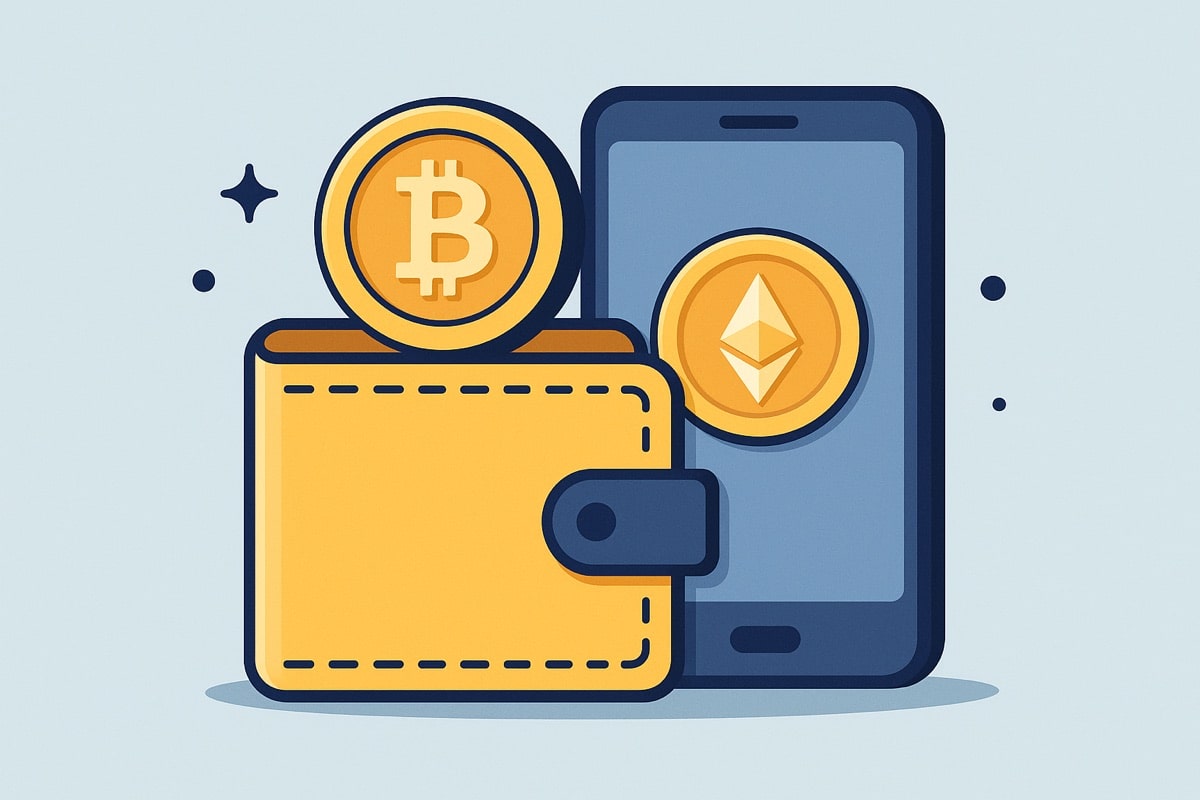
So what exactly is this blockchain-powered B2B payments wave all about? At its core, blockchain is a distributed ledger. Instead of money routing through layers of correspondent banks, payment processors, and clearinghouses, transactions happen peer-to-peer on a shared network. Smart contracts, being at their core programmable agreements on the blockchain, can trigger automatic payments when pre-set conditions (delivery confirmation, invoice approval, etc.) are met. The result? Speed, transparency, lower costs, and significantly reduced friction for international commerce.
Why Many Businesses Are Turning to Blockchain
One of the biggest draws is speed. Traditional cross-border B2B transactions often take several days to clear: multiple intermediaries, compliance checks, currency conversion delays, been there, done that. But blockchain can shorten that wait dramatically. According to a recent report, blockchain-based solutions can slash settlement times from days to mere minutes.
Cost savings is another major plus. By removing middlemen and streamlining reconciliation, companies avoid many of the fees and administrative overhead that make conventional B2B payments expensive, especially when dealing with small or frequent cross-border transactions.
And then there’s transparency and security. Every transaction on a blockchain is recorded immutably. Once confirmed, it can’t be altered. All participants in the network see the same ledger, which reduces disputes, improves auditability, and lowers fraud risk.
Finally, smart contracts can automate workflows. Need to release payment only when goods are marked delivered or quality-checked? Smart contracts can do that with no manual intervention, no delays, and fewer errors. That automation helps especially in supply-chain payments, global procurement, and vendor management.
A Growing Market And Real Adoption
The momentum behind blockchain-based B2B payments is not just anecdotal. According to a recent market-analysis report, rising cross-border trade and demand for efficient payments have expanded the blockchain B2B payments market rapidly.
Many finance executives now see real-time or near-real-time payments as the future of B2B payments. As companies increasingly operate globally with suppliers, contractors, and partners across borders, the attractiveness of blockchain solutions grows.
But It’s Not All Smooth Sailing
Of course, as with any emerging tech, blockchain isn’t a magic wand. Integration can be tricky: many corporations run legacy ERP, accounting, and treasury systems that were never designed to interface with decentralized ledgers. That makes adoption more complex than just “switching the button on.”
There are also regulatory and compliance challenges, especially when payments cross multiple jurisdictions with different rules on money movements, compliance, and data privacy. While smart contracts can automate many rules, legal and regulatory alignment is still required for wide adoption.
Finally, not every business or region has the infrastructure or stablecoins / crypto-assets that make blockchain payments practical or acceptable to partners. For smaller or low-volume firms, the cost and complexity might still outweigh benefits, at least for now.
What’s Next? Will Blockchain Become the New Norm for B2B Payments?
Given the advantages and growing market momentum, the future looks promising. As blockchain technology matures and regulatory frameworks align, we could see widespread adoption, especially among firms dealing with:
-
Cross-border trade: Where delays, FX conversions, and correspondent banking fees are major headaches.
-
Supply chain and vendor payments: Where automated, milestone-based payment triggers (via smart contracts) reduce manual work and disputes.
-
Corporate treasury and liquidity management: Businesses that need real-time oversight of global cash flows can benefit from blockchain’s transparency and immediacy.
Companies that move early and build flexible infrastructure may gain a competitive edge: faster cash flows, lower costs, and smoother vendor relationships. And as more firms adopt blockchain, network effects could make it harder for traditional payment rails to compete, especially internationally.
Final Thought
Blockchain in B2B payments isn’t just another fintech buzzword. It has real, measurable advantages, like speed, cost reduction, transparency, automation. That addresses long-standing pain points in global trade and corporate finance. The shift won’t happen overnight, and challenges remain, but the compass is pointing toward a payment world that is faster, leaner, and far more efficient.
If you run or work with a business that trades internationally or coordinates payments with remote vendors or contractors, this is a moment worth watching. Because the next time your company sends an invoice halfway around the world, it just might arrive in minutes, not days.