If you’re wondering whether instant injury payouts actually change the risk for brick-and-mortar businesses, the answer is yes. These fast payments can reshape liability decisions, customer expectations, and how teams handle on-site incidents.
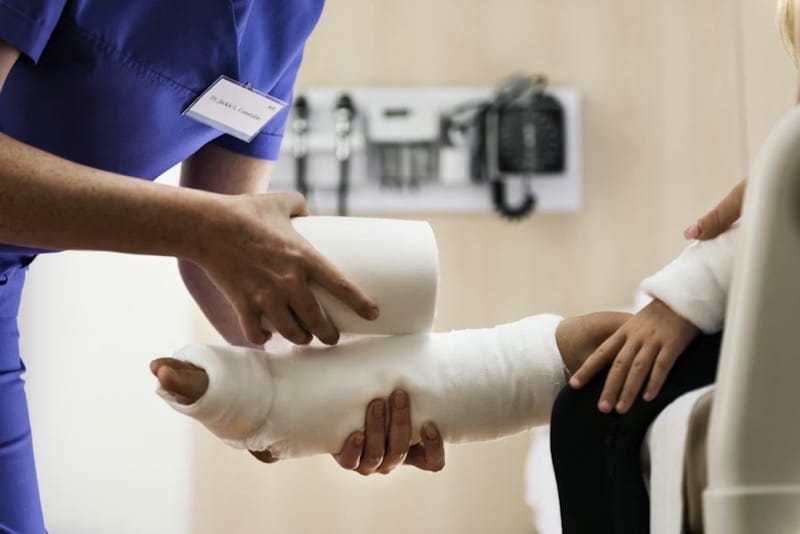
Image Source: Unsplash
In this article, you’ll learn why real-time payouts seem so appealing, where they create new challenges, and how they influence long-term claim patterns. You’ll also get a clearer picture of whether instant payouts help or hurt businesses trying to manage safety while protecting themselves from unnecessary risk.
Why Instant Money Feels Like a Solution
Most people who get hurt in a store want quick reassurance that the situation is being taken seriously. A same-day payout can smooth over tense moments and give injured customers a sense of closure. This is one of the biggest reasons businesses consider push-to-card or real-time payment systems.
Employees also appreciate the simplicity. When a minor incident is wrapped up on the spot, it removes paperwork and allows the team to return to normal operations faster.
Some of the benefits businesses talk about include:
- Faster reassurance for customers
- Less administrative strain
- Clearer resolution in the moment
These are strong reasons to explore instant payouts, but they don’t cover everything a business should consider.
The Risks Behind Real-Time Injury Payments
Instant payouts move so quickly that careful evaluation isn’t always possible. Managers may feel pressured to settle quickly before they fully understand the extent of the injury. Slip and fall incidents are among the most common on-site injuries for brick-and-mortar businesses, and they frequently raise questions about liability, documentation quality, and settlement timing. In situations where the facts aren’t entirely clear, businesses often rely on experienced legal perspective to assess how settlement timing affects long-term exposure. Premises liability attorneys nationwide – including specialists like a St. Louis slip and fall accident lawyer and others with experience in high-volume commercial claims – frequently advise on documentation standards and settlement timing to help businesses evaluate their long-term risk.
Fraud also becomes a bigger concern. Real-time systems require fast decisions, which can make staff less cautious than they would be with traditional claims. When documentation steps are rushed or skipped, questionable claims are more likely to slip through unnoticed.
Payout timing also influences customer behavior. If people learn that a store is willing to issue funds immediately, future claimants may pressure employees to grant the same treatment, even when the situation calls for a more thorough review.
When Instant Payouts Complicate the Investigation
Quick payouts can create problems when the facts of an incident aren’t fully known. Employees may feel pressured to settle before they’ve gathered statements, reviewed footage, or documented the scene. This rushed approach can lead to mistakes that hurt the business later, especially if the injury develops or the claimant changes their story.
Slowing down the early steps, even slightly, helps teams confirm key details and ensures that any payout reflects what actually happened, reducing the chances of disputes or costly misunderstandings.
How Payout Timing Shapes Long-Term Liability
Instant payouts don’t just affect the current incident; they shape expectations for every incident that follows. Once customers expect quick money, it becomes harder for the business to slow down and handle more complex claims appropriately. This is especially true for slip and fall cases, where early payouts can influence how future claims are evaluated and escalated.
Insurance planning also shifts. Faster settlements can change reporting cycles and affect reserves, which matters for businesses with significant foot traffic or a history of slip-and-fall incidents. Carriers may even change premium structures if they believe instant payouts lead to inconsistent claim values.
Some companies use a hybrid approach. They may offer a small amount immediately for urgent needs, like transportation or basic medical checks, while leaving the full claim open for proper evaluation.
Moving Forward With Smarter Incident Strategies
Instant payouts may streamline tense moments, but they also reshape expectations, liability planning, and how teams respond when injuries happen. Strong guidelines and consistent staff training help prevent these situations from becoming long-term problems.
Businesses with questions about injury claims or payout timing can reach out to DM Injury Law to better understand how slip and fall cases are typically evaluated and how early settlement decisions can affect long-term liability.