China’s fast-evolving digital ecosystem is entering a new phase of “agentic commerce,” where artificial intelligence doesn’t just recommend actions but completes them. A key example is the integration of Alibaba’s AI assistant, the Qwen App, with the country’s dominant payments platform, Alipay, enabling users to book services like rides and pay seamlessly within a single AI-driven interface.
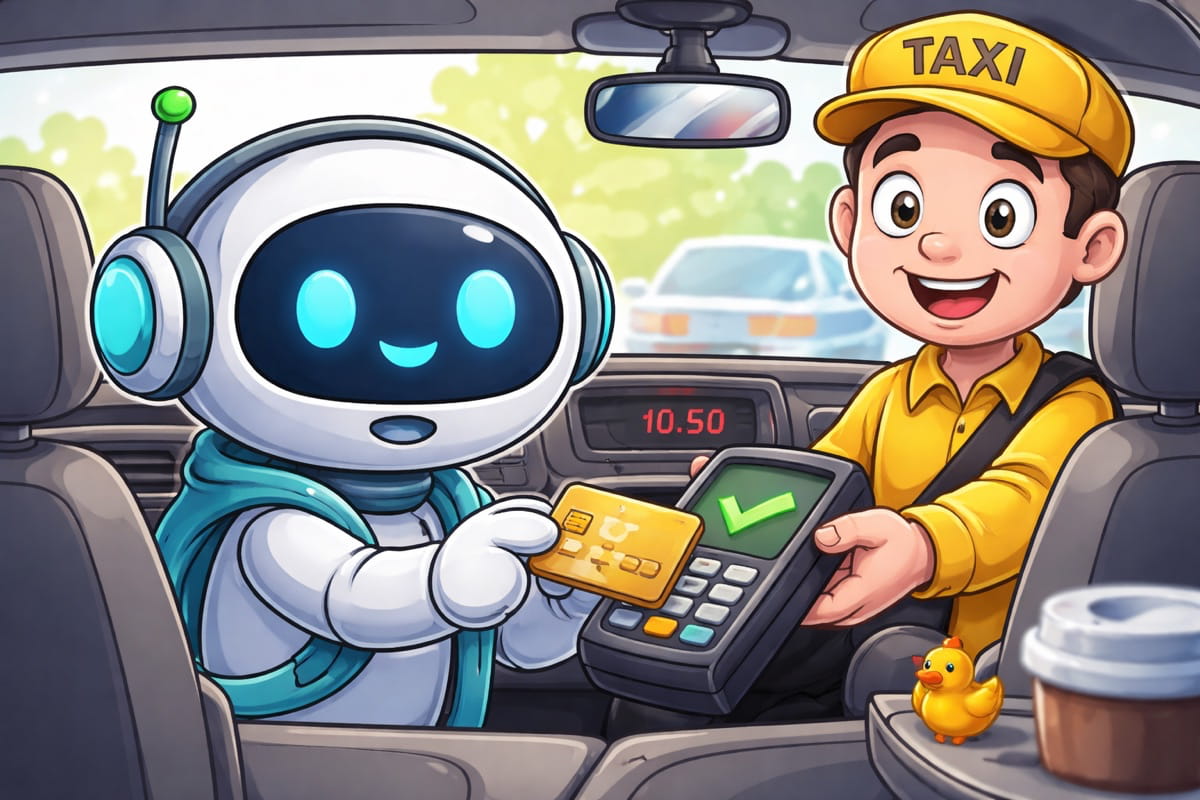
This development reflects a broader shift in China toward AI systems that can execute real-world tasks on behalf of users. Instead of switching between apps to order transport or make payments, consumers can now interact with Qwen’s chatbot, request a ride, and complete payment all within the same conversation.
From Chat to Ride: A New User Experience
The integration builds on Alibaba’s push to turn Qwen into a “super app” powered by AI. The platform connects directly with services like ride-hailing, food delivery, travel booking, and navigation, allowing users to complete entire workflows through natural language.
For example, a user can simply say they need a ride, and Qwen can:
- Find available ride options
- Compare prices and routes
- Select a suitable provider
- Process the payment via Alipay
This seamless flow eliminates friction and reduces the need to navigate multiple apps, marking a major step toward fully autonomous digital assistants.
According to recent developments, Qwen has already been deeply integrated with Alibaba’s ecosystem, including Taobao, Fliggy, and Alipay, creating a unified platform for commerce, travel, and payments.
How Alipay AI Pay Enables This
At the core of this experience is Alipay AI Pay, an advanced payment system designed for AI-driven interactions. Instead of manually entering payment details, users can authorize transactions through the AI assistant.
- Payments are completed directly within the AI conversation
- Transactions are authenticated securely through Alipay
- The system works across apps, devices, and even smart hardware
Launched in 2025, Alipay AI Pay is already expanding rapidly. It enables users to complete purchases via AI agents in apps, smart devices, and retail environments without traditional checkout steps.
In January 2026, Alipay and Alibaba introduced a broader framework called the Agentic Commerce Trust Protocol, which connects Qwen with payment and commerce systems, allowing users to transact through a unified AI interface.
Rapid Adoption Signals a Bigger Shift
The growth of AI-driven payments in China has been explosive. Alipay reported that its AI Pay system processed over 120 million transactions in a single week, highlighting how quickly consumers are embracing this new model of commerce. According to the Chinese tech and payment giant, users are now looking for ways to complete tasks without switching between multiple apps, pushing the rise of AI-powered transactions.
The Qwen app itself has also seen rapid adoption, reaching over 100 million monthly users, making it one of China’s most widely used AI platforms.
China is emerging as a global leader in AI-powered commerce, with platforms like Qwen and Alipay setting the pace. By combining conversational AI with real-world payment capabilities, these systems are turning smartphones into intelligent assistants capable of handling everyday tasks.
As this technology scales, the ability to hail a ride, order food, and pay all through a single AI conversation may soon become the new standard, not just in China, but globally.