As AI systems move from tools to autonomous agents in finance, Singapore’s regulator is building something rare: a full governance stack. Here’s how MAS’s MindForge, Veritas, and new AI risk guidelines work together, and why it matters globally.
Artificial intelligence is rapidly transforming financial services, from credit scoring and fraud detection to customer service and automated trading. But as AI systems become more powerful, they also introduce new risks: bias, lack of transparency, and even autonomous decision-making that regulators can’t easily track.
That’s where Singapore’s Monetary Authority of Singapore (MAS) is taking a leading global role. Instead of reacting to risks after they emerge, MAS is building a complete AI governance ecosystem designed to guide, test, and regulate AI across its entire lifecycle.
At the center of this ecosystem are three key pillars: Project MindForge, the Veritas Toolkit, and the AI Risk Management Guidelines.
What is Project MindForge?
Project MindForge is a collaborative initiative led by MAS in partnership with financial institutions and technology companies. It is designed to help the industry operationalize responsible AI, especially generative AI and AI agents. Within this initiative, the consortium has recently released the AI Risk Management Toolkit, which features a handbook that provides detailed, practical guidance on implementing AI risk management frameworks.
As MAS Chief FinTech Officer Kenneth Gay noted:
“The development of the MindForge AI Risk Management Toolkit… marks a major step forward in our journey to ensure the responsible adoption of AI in finance.”
Unlike traditional frameworks, MindForge focuses on:
- AI agent behavior
- Workflow automation
- Memory and decision-making systems
- Operational deployment in live systems
In simple terms, MindForge helps financial institutions build and run AI systems responsibly.
What is the Veritas Toolkit?
While MindForge focuses on building and operating AI systems, the Veritas Toolkit is designed to test and validate them.
Veritas is MAS’s open-source toolkit that allows financial institutions to evaluate whether their AI models align with the FEAT principles:
- Fairness
- Ethics
- Accountability
- Transparency
It provides methods to detect bias in AI models, assess fairness in credit or underwriting decisions, and evaluate their explainability and transparency
If MindForge is about building AI, Veritas is about checking whether it behaves properly.
This makes Veritas one of the first practical toolkits globally dedicated specifically to responsible AI in financial services.
What are the AI Risk Management Guidelines?
The AI Risk Management Guidelines (AIRG) represent the newest and most important layer of the Monetary Authority of Singapore’s (MAS) AI governance ecosystem. These guidelines set out clear regulatory expectations for financial institutions that develop or deploy AI systems, moving beyond earlier voluntary frameworks like the Veritas Toolkit toward more formal compliance standards. They are designed to ensure that as AI becomes more deeply embedded in financial services, its risks are properly understood, managed, and controlled.
At their core, the guidelines provide a structured approach to managing AI risk across the entire lifecycle of a system. This includes establishing strong AI governance structures within organizations, so there is clear accountability and oversight at the senior level. Institutions are also expected to implement robust model risk management practices, ensuring that AI models are regularly validated, tested, and monitored for accuracy, bias, and reliability.
Another key component is AI inventory tracking, which requires firms to maintain a comprehensive record of all AI systems in use. This helps regulators and internal teams understand where AI is being applied, what it is doing, and how it is influencing decisions. The guidelines also emphasize lifecycle controls, covering every stage from design and development through to deployment and ongoing monitoring. This ensures that risks are managed not just at the point of creation, but continuously throughout the system’s operation.
In addition, the AIRG addresses third-party risk, recognizing that many financial institutions rely on external vendors, APIs, and AI providers. Firms are expected to assess and manage the risks associated with these third-party dependencies, ensuring that external tools meet the same standards of governance and transparency as in-house systems.
A significant update in the guidelines is the explicit inclusion of generative AI, AI agents, and autonomous decision-making systems. This reflects the rapid evolution of AI technologies, which are no longer limited to static models but are increasingly capable of generating content, making decisions, and interacting with systems in real time. By incorporating these technologies into its framework, MAS is acknowledging the shift toward more dynamic and autonomous AI systems and ensuring that governance keeps pace with innovation.
Overall, the AIRG plays a crucial role in MAS’s broader strategy by providing the regulatory backbone that ensures all AI activity in finance is conducted responsibly, transparently, and with appropriate oversight.
How MindForge, Veritas, and AIRG Work Together
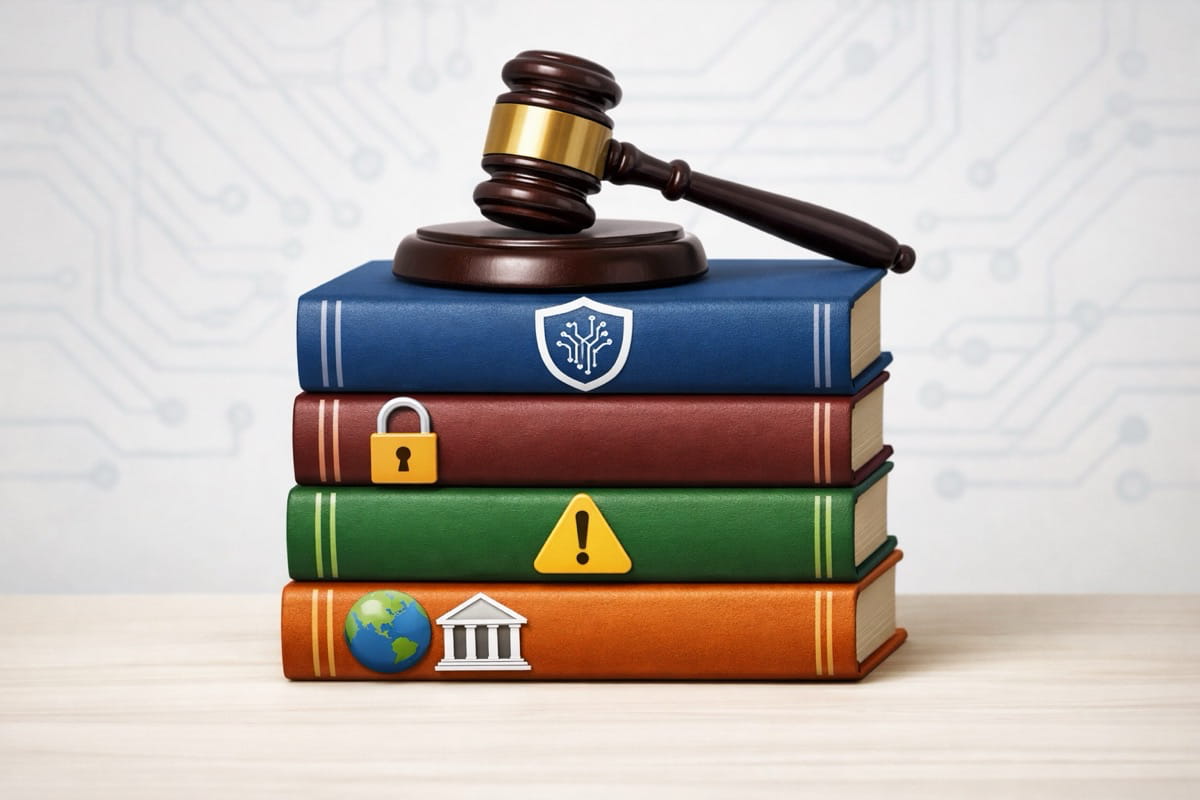
Think of MAS’s ecosystem as a stack:
1. MindForge — Build layer
- Helps organizations create AI systems
- Supports agent workflows, memory, and automation
- Enables deployment of advanced AI in finance
2. Veritas Toolkit — Test layer
- Evaluates fairness, ethics, and transparency
- Provides validation methods
- Ensures AI behaves responsibly
3. AI Risk Management Guidelines — Governance layer
- Sets regulatory expectations
- Defines oversight, accountability, and compliance
- Covers lifecycle and enterprise-wide risk
Together, they form a complete AI lifecycle governance system: Build → Test → Govern → Monitor
The Key Takeaway for Global Regulators
This three-component AI guideline system matters globally because the Monetary Authority of Singapore (MAS) is widely regarded as one of the most advanced financial regulators when it comes to artificial intelligence, and its approach stands out for combining practical toolkits with formal regulatory frameworks, working closely with industry through collaboration rather than relying solely on top-down mandates, and directly addressing real-world AI systems such as generative AI and autonomous agents. This balanced, applied model is already influencing global conversations on AI regulation across key regions, including Europe, the United Kingdom, and the United States. In many ways, Singapore is helping shape what “responsible AI in finance” looks like in practice.
What Is Being Done Globally With Respect to Responsible AI Deployment
We have earlier covered some of the ongoing initiatives to introduce the power of AI safely and responsibly into consumer and financial ecosystems:
- During the G20 summit in India, one of the main issues to be discussed and studied was the responsible use of artificial intelligence.
- NVIDIA and the National Science Foundation launched the National Artificial Intelligence Research Resource (NAIRR) pilot to advance responsible AI discovery and innovation.
- The Hong Kong government has unveiled its first guidelines on the practice of responsible use of artificial intelligence.
- The newly created CaixaBank office will act as a central hub for all AI‑related activities across the group.