More young shoppers are paying with their phones instead of physical cards, but new research suggests the shift is driven not only by convenience but also by tight budgets.
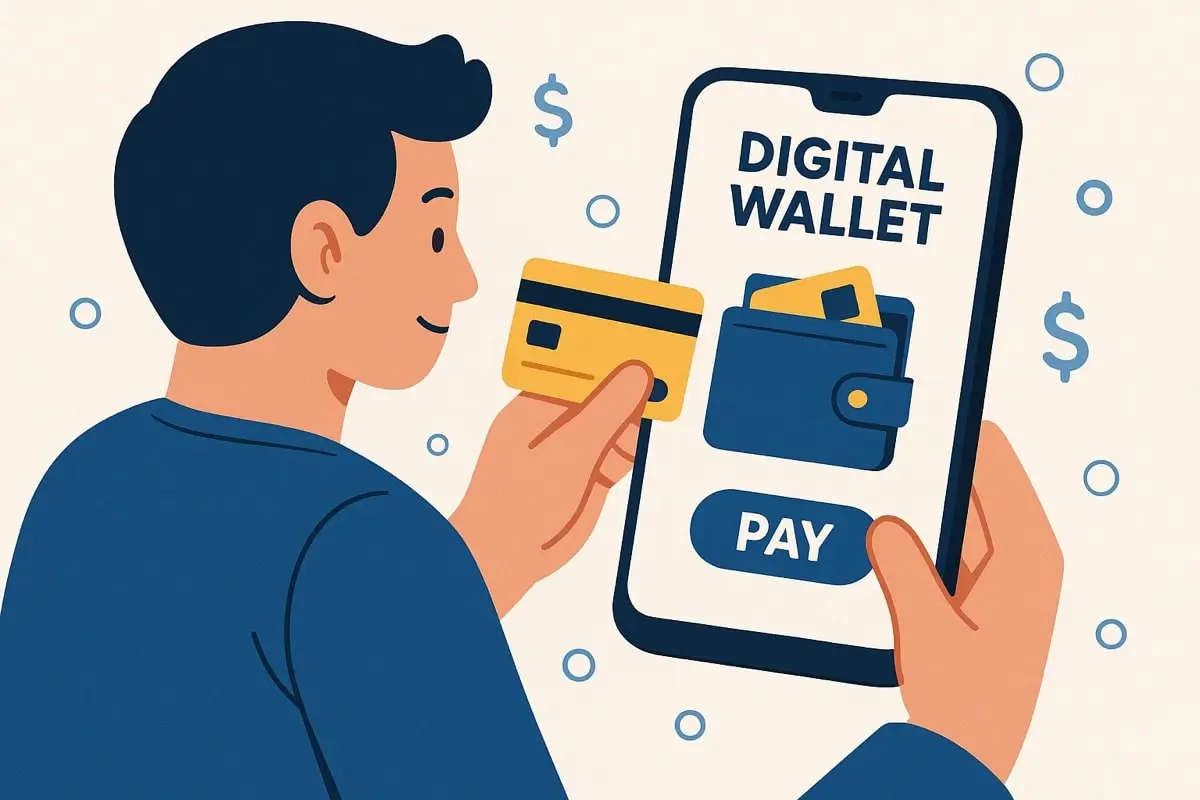
According to PYMNTS Intelligence, 36% of Gen Z consumers used a digital wallet for their most recent retail purchase. Notably, it’s more than a twofold surge from 15% in March 2024.
A digital wallet is an app, such as Apple Pay or Google Pay, that stores payment details on a smartphone so people can pay by tapping their phone instead of swiping a physical card. Across all age groups, digital wallet use for the latest purchase reached 15%, meaning Gen Z adoption is now roughly double the general population’s use level.
The research, based on a survey of more than 2,100 US adults, links this rise to financial pressure rather than simple generational habit and convenience. This tendency may be explained in several ways. First, those under money stress rely on their credit cards mostly, which are safely stored in digital wallets. The second reason is psychological. Paying with a wallet often does not feel as painful psychologically as using digital payment methods.
Consumers experiencing high financial stress used a digital wallet for 28% of their most recent retail purchases, compared with just 11% among those under low stress. The pattern was even starker for groceries: 21% versus 8%. High-stress shoppers were also classified as those who reported a cash shortfall for living expenses or an emergency in the prior 90 days, a situation that affected about 17% of consumers surveyed overall.
Economic pressure has increased unevenly over various age groups. Financial pressure was increased only by three percentage points among the overall population between March 2024 and November 2025, while Gen Z saw an increase by 12 percentage points, predominating over the stress levels faced by millennials and people taking care of young children. In the opinion of researchers, digital wallets attract customers under financial stress partly because many of them help to manage budgets and monitor spending in real-time, and also provide easier access to buy now, pay later financing.
Spending patterns also shifted. Consumers under high financial stress spent more per transaction on average than less-stressed shoppers, both in stores and online, with the gap widest in online retail. That suggests financially pressured shoppers may be consolidating purchases into fewer, larger trips rather than shopping more frequently, a pattern retailers and payment providers are starting to plan around.
A broader industry report from Worldpay, part of Global Payments, projects that digital wallets could account for $4.1 trillion of US spending by 2030, up 64% from 2025 levels. Those would be driven largely by younger consumers used to such a payment method since early teen years as their spending power grows. Globally, digital wallets already made up 56% of online spending and 33% of in-store spending in 2025, figures that are even higher across Asia-Pacific markets. Whether that growth continues to track financial stress, or eventually reflects simple habit as Gen Z ages into higher-earning years, is a question payment companies and merchants are now watching closely.