Knot, a merchant-connectivity platform that lets people move saved payment details between apps and websites, announced a partnership with Venmo on August 12. The deal lets Venmo users set the PayPal-associated platform as their default saved payment method at merchants they already shop with, without typing in card details each time.
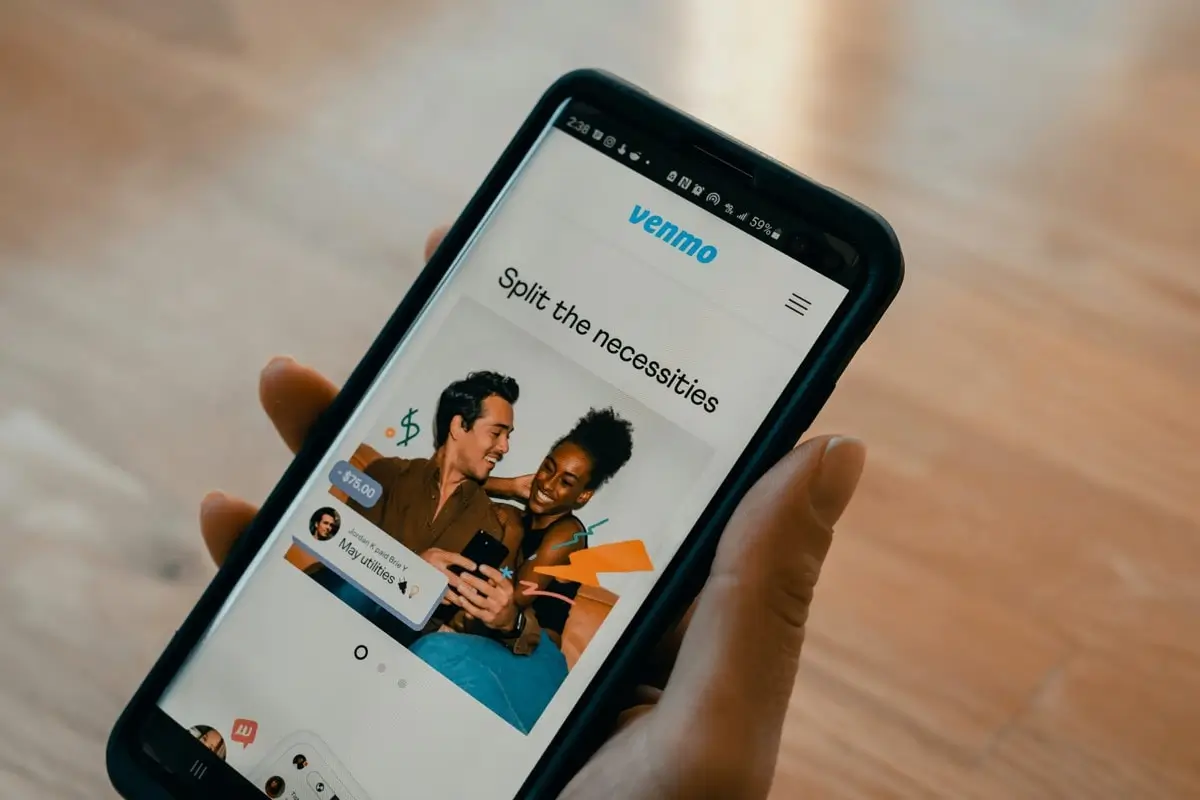
The setting of preferred checkout choice happens inside the Venmo app. Users can link their Venmo account to pay directly at checkout, or save their Venmo debit card, depending on what a given merchant supports. Once that’s done, Venmo becomes the payment method that’s already sitting there the next time someone checks out, instead of something they have to search for or set up manually on each site.
For merchants, it means one less reason for a shopper to abandon a purchase over a clunky checkout. Venmo, meanwhile, is staying visible at all times and potentially used every time someone opts for a transaction, rather than being one of numerous payment options offered for checkout versatility.
“It’s a win across the board: users get a more seamless shopping experience and a simple way to spend with Venmo, and merchants can capture more spend with customers,” said Rory O’Reilly, Knot Co-founder & CEO.
This kind of partnership drops a hint on a much bigger shift in how online payments get built. According to Global Market Insights, the global payment gateway market was worth $32.7 billion in 2025 and is projected to reach $116.7 billion by 2035, growing at a compound annual rate of 14.1%. Within that market, gateways that run on APIs, which is the connective software that lets one app talk to another, the same kind of technology that is behind the Knot-Venmo link, make up the fastest-growing segment, expected to grow at roughly 16% a year through 2035.
That growth is driven by merchants wanting more control over how checkout looks and works, rather than passing the whole process over to a single hosted provider. Knot and Venmo’s setup fits that pattern closely: instead of asking shoppers to re-enter payment details at every site, it uses an API connection to keep one saved method working everywhere.
The partnership also reflects a wider push among payment and wallet providers to become the “default” option saved in a user’s account, since a saved payment method is more likely to get used again than one that has to be typed again in fresh every time. When we consider the fact that younger generations, i.e. future shoppers, statistically have even shorter attention span and focus capabilities coupled with quicker frustration arrival than those customers who are already adult enough to shop, the faster checkout happens and the fewer steps it involves, the better. When in 2024, one-click checkout was the most desired feature for the US merchants, today’s sellers are seeking invisible (ideally zero-click) checkouts to satisfy their customers.
Businesses weighing their own checkout setup, including whether to build on a hosted gateway or an API-based one, can find more detail in PaySpace Magazine Global’s guide on how to choose a white-label payment gateway in 2026.