Around 70% millennials continue to live paycheck to paycheck, according to new August 2026 research from PYMNTS Intelligence. The finding is spectacular and not simply because of the size of this generation group. A vigilant industry observer must notice that the same consumers are increasingly using instant payouts, buy now, pay later services and AI tools as part of their everyday financial decisions.
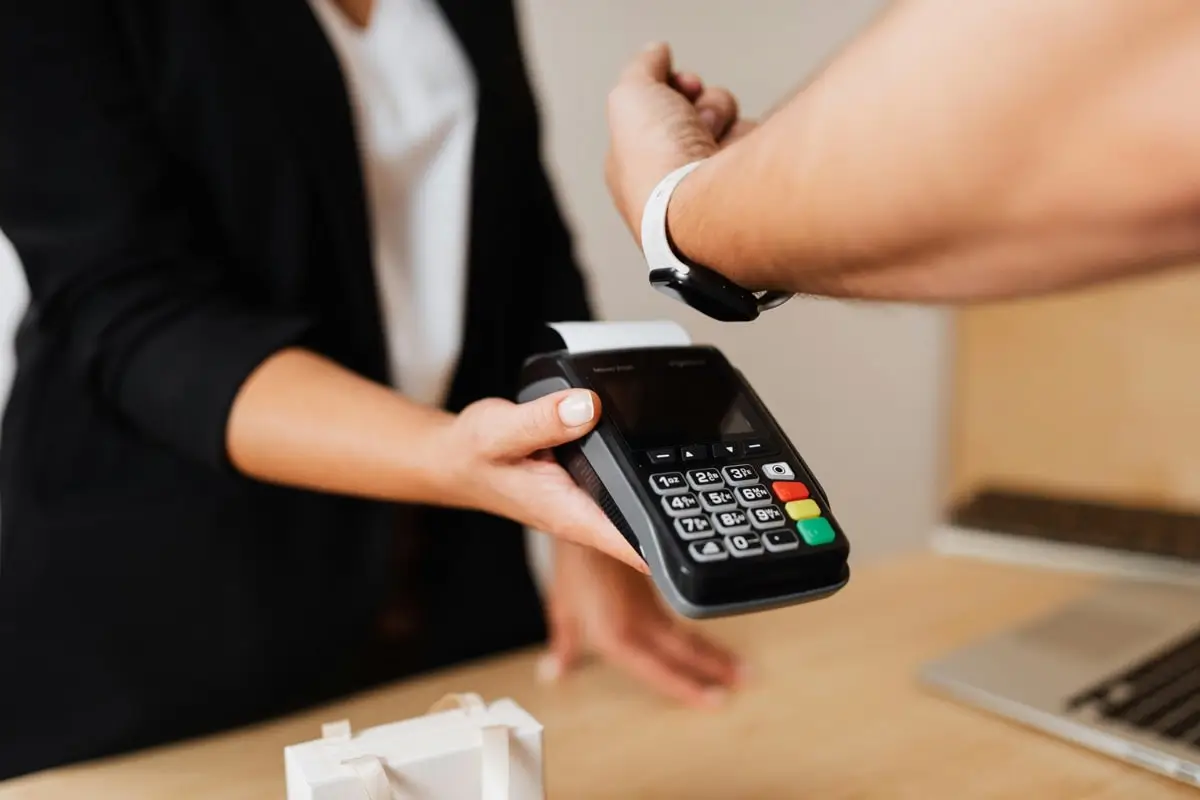
Millennials, also known as Generation Y, but rarely called that, are a demographic cohort born between 1981 and 1996. In terms of payment ability, this is one of the most interesting age groups. On one hand, millennials earn more money than any other generation did at their age. Yet, despite all that, they are far less wealthy. Thus, millennials own only 5% of America’s wealth today, while boomers possessed 21% when they were roughly the same age as millennials are now.
At the same time, the PYMNTS data suggests that “paycheck to paycheck” should not automatically be interpreted as a measure of poverty. It can also describe a cash-flow problem: money may be available in the long term, but the timing of income and expenses does not always match.
PYMNTS’ research shows that millennials place a high value on receiving money quickly. Earlier findings revealed that when millennials had a choice over how to receive a disbursement, 56% selected instant receipt even when a fee applied. In other words, speed itself has a monetary value.
This creates an opportunity for products such as instant payouts and earned-wage-access services. Instead of waiting for a traditional payday or standard settlement period, consumers can access money closer to the moment it is earned.
The same logic applies to earnings access for gig workers, contractors and other people whose income arrives through multiple channels. PYMNTS reported earlier this year that nearly one-third of millennials depend on gig payments and tips as their main source of income. For these workers, the distinction between regular “income” and “available cash” becomes particularly important.
A person may have earned money but still be unable to use it until the payment system completes its normal process. Faster payments reduce that gap. The consumer is effectively paying for liquidity — access to money at the moment it is needed and useful.
That creates a product opportunity, but also a responsibility for payment providers. If consumers repeatedly pay fees simply to access money they have already earned, instant-payment charges can become a recurring cost of managing household finances.
The report also points to a broader change in how millennials discover products. Google remains an important starting point, while ChatGPT and similar AI tools has emerged as another product-discovery channel. That development connects consumer cash-flow trends with the wider growth of AI-driven commerce.