The U.S. Senate has passed the Common Cents Act, bringing the end of the penny closer and potentially giving a new push to the country’s shift away from cash payments.
The US Senate approved the legislation by unanimous consent on August 7, 2026. The bill would end the production of pennies for circulation and establish a framework allowing cash transactions to be rounded to the nearest five cents. The legislation still needs to complete the remaining steps before it can become law.
For consumers, the change could be relatively simple. A cash purchase totaling $19.82 could be rounded down to $19.80, while a $19.83 transaction could be rounded up to $19.85. The rounding would apply to the final cash transaction amount rather than individual items. Another (and potentially even bigger) change may be happening behind the checkout counter.
Rounding a cash payment sounds simple, but retailers and payment technology providers need their point-of-sale systems to recognise when rounding applies, calculate the correct adjustment and display it consistently on receipts. Treasury guidance recommends that rounding be used only for cash payments, while electronic transactions should continue to be processed to the exact cent.
That makes the Common Cents Act another sign of how cash is gradually moving from the centre of everyday payments.
Federal Reserve research shows that cash accounted for 16% of consumer payments in 2024, compared with 32% for credit cards and 30% for debit cards. The Fed has described the use of cash and checks as continuing to decline as cards, account-to-account payments and other digital methods expand. Cash is still used more frequently by some groups, including older consumers and lower-income households, but its overall share of payments is much smaller than it once was.
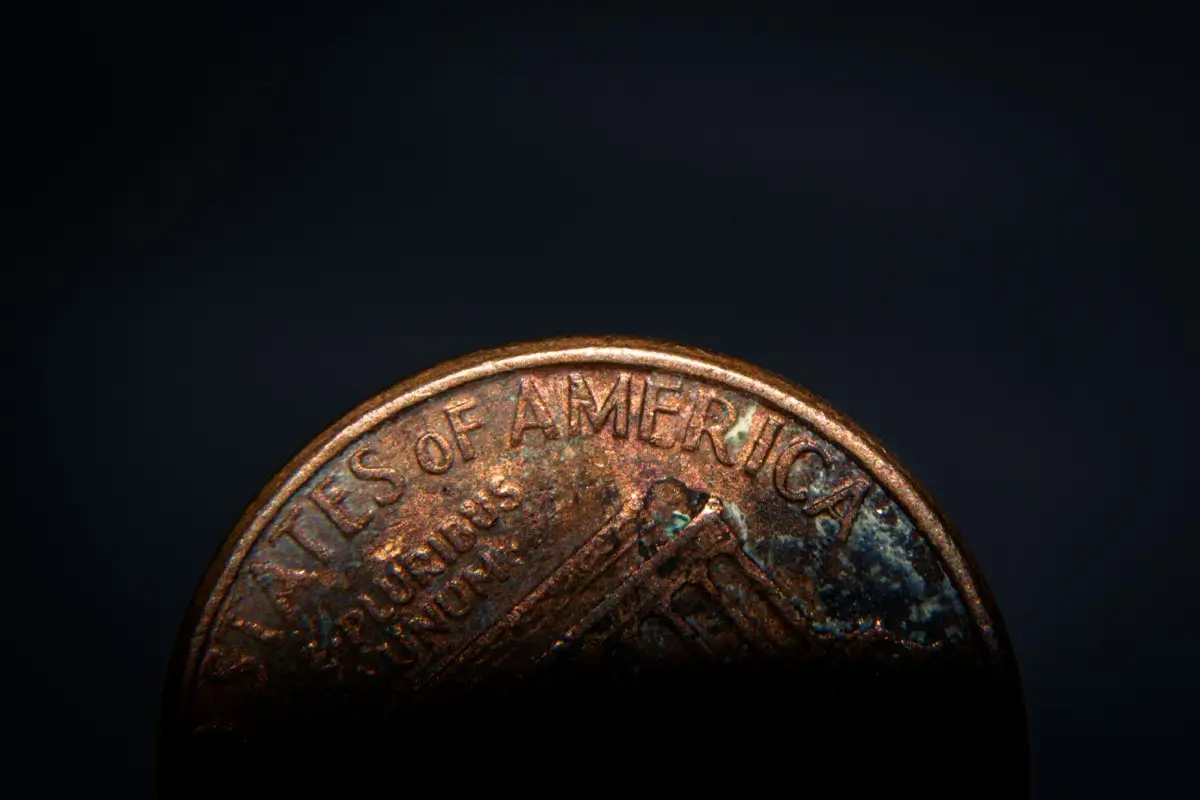
The penny itself is already becoming less practical. Treasury says the government has stopped manufacturing new pennies and that the Federal Reserve will continue recirculating existing coins for as long as possible. Around 114 billion pennies are currently estimated to remain in circulation. Treasury also says producing a penny costs 3.69 cents, more than three times its face value.
The transition also raises an important access question. Cash remains particularly important for people who have limited access to traditional banking or digital payment services. The legislation’s attention to the effects on unbanked and underbanked consumers therefore matters: reducing the role of pennies should not unintentionally make cash transactions harder for people who rely on them.
The bill also looks beyond the penny rounding. It provides a path for Treasury to explore ways to reduce the cost of producing the nickel, which has also been produced at a cost above its face value.