New research reveals a troubling side effect of Australia’s anti-scam education push: 2.4 million people are now too cautious to act on legitimate banking messages.

Australia’s war on scams may be working too well. A growing number of Australians have become so wary of fraudulent messages that they’re now dismissing genuine alerts from their own banks — potentially missing critical warnings about fraud, failed payments and account issues.
That’s the finding of new research from financial comparison platform Money.com.au, which surveyed more than 1,000 Australians in a nationally representative study conducted in 2026.
One in Four Australians Can’t Tell Real Bank Messages From Scams
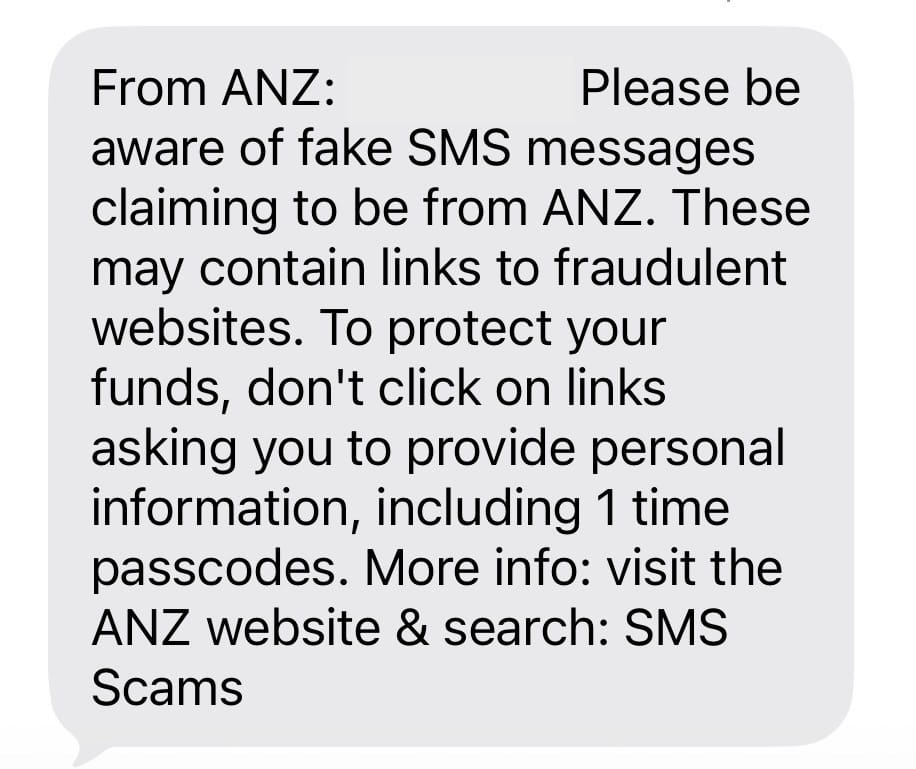
Real ANZ message example
The survey found that 26% of Australians (roughly one in four) cannot confidently distinguish between a legitimate bank communication and a scam attempt. While the remaining 74% believe they can tell the difference, the data suggests even that confidence may not translate into action.
Among those who struggled to identify genuine messages, the consequences were significant:
- 24% had ignored legitimate account alerts, such as transaction or balance notifications
- 13% dismissed genuine fraud warnings from their bank
- 12% overlooked real payment issue alerts
Combined, these figures represent an estimated 2.4 million Australians who have delayed or dismissed a legitimate banking action, potentially leaving themselves exposed to the very financial harm they were trying to avoid.
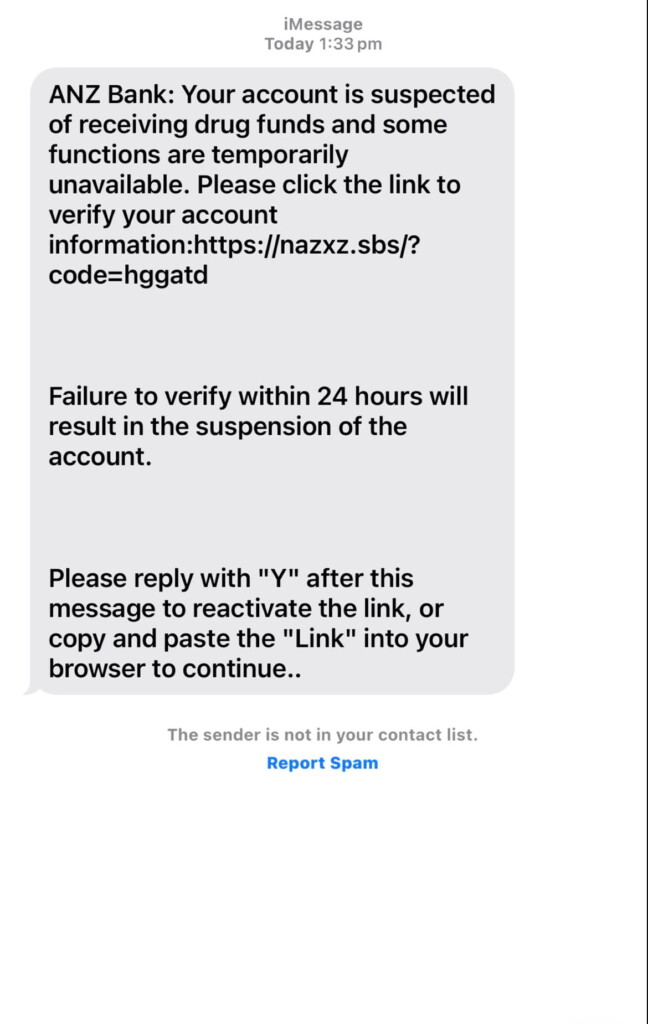
‘Scam Fatigue’ Is Backfiring
Money.com.au Finance Expert Sean Callery says the findings point to an unintended consequence of Australia’s successful scam awareness campaigns.
“Banks and regulators have spent years educating Australians about scams and that message is clearly landing, which is good news. The irony is that this heightened awareness can make people second-guess genuine alerts from their bank. If legitimate messages about unusual activity or account issues are ignored, important warnings can slip through the cracks, particularly now that many Australians juggle multiple bank accounts, cards, mobile wallets and banking apps across different providers.”
“Don’t bury your head in the sand. If you’re unsure about a message, the best course of action is to contact your bank through its official channels,” advised Callery.
Younger Australians Most Likely to Hesitate
Perhaps counterintuitively, it is younger, digitally-native Australians who are most prone to ignoring legitimate bank alerts. The research found:
- 71% of Millennials had ignored at least one legitimate banking message
- 58% of Gen Z had done the same
- 54% of Gen X reported similar behaviour
- Just 16% of Baby Boomers said they had ever dismissed a genuine bank alert
Callery suggests older Australians’ preference for traditional mail correspondence may actually serve as a protective factor. “Older Australians may prefer official mail correspondence to digital alerts, which may reduce hesitation when legitimate messages arrive,” he said.
What You Should Do
If you receive a message claiming to be from your bank and aren’t sure whether it’s genuine:
- Do not click any links in the message
- Call your bank directly using the number on the back of your card or its official website
- Log into your banking app independently to check for any genuine alerts
- Report suspicious messages to Scamwatch or your bank’s fraud team
The bottom line: in a scam-saturated environment, healthy scepticism is essential — but so is knowing when to act.
Note: Research was commissioned by Money.com.au from Pureprofile in 2026, using a nationally representative sample of more than 1,000 Australians, weighted by gender, age, and location.