On 22 November 2026 a solo miner running a small setup of about 8 TH/s found Bitcoin block 977057 and received 3.1287 BTC.
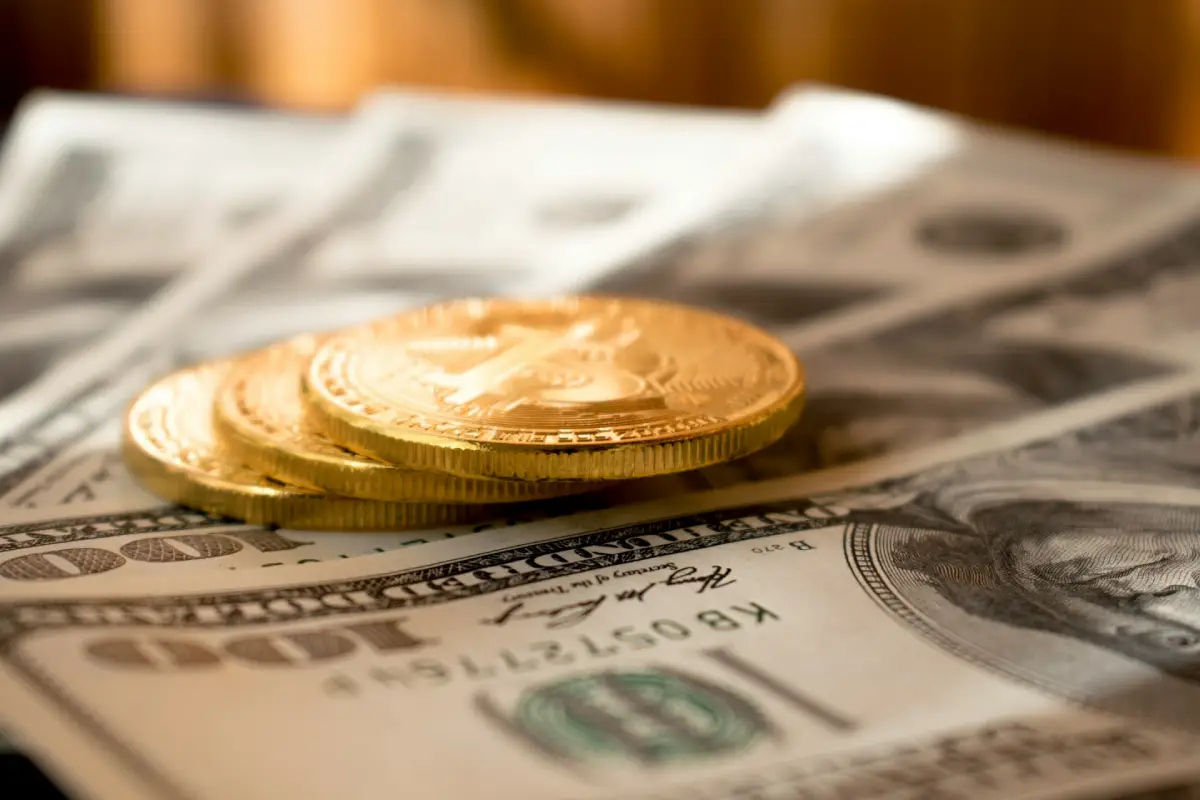
At the price that morning this was roughly $190,000 before the service fee. The block was mined through CKPool Solo, and the odds of success were estimated at 1 in 130 million per block.
The block was found around 7:54 a.m. U.S. Eastern Time. The reward included the base subsidy of 3.125 BTC plus about 0.0037 BTC in transaction fees. The dollar figure is based on Bitcoin trading near $60,700 and does not mean the miner sold the coins right away.
The block contained 584 transactions and appeared just 3.3 minutes after the previous one. According to Soloblocks.io, the winner’s hashrate was around 8 TH/s, roughly the output of seven Bitaxe Gamma units, though the exact equipment is unknown.
Against the network’s total hashrate, estimated in the source at 1,042 EH/s, a setup of that size would statistically expect to find a block about once every 2,500 years. That is not a forecast; it is a statistical average. The block could come sooner, or it might never come at all.
For CKPool Solo this was already the fifth find in November. Two blocks were mined on 7 November, and one each on 11 and 19 November. The miner who succeeded on 11 November was running about 161 TH/s.
Earlier, Bitcoin.com News calculated that between 11 February and 7 November 2026 solo miners found 36 blocks, with total rewards of about 113 BTC (roughly $8.5 million at the prices used in that report). Those dollar figures cannot be compared directly with the current $190,000 because the price was different.
In July a participant on Public Pool found block 957382 with a single Bitaxe running at about 1 TH/s. According to Soloblocks.io, since 2016 solo miners have found 146 blocks and received more than 1,000 BTC in total.
Other people’s wins do not improve the odds for any particular machine. The more people who participate, the more often rare finds occur across the group as a whole, but the probability for an individual setup still depends only on its share of the network’s total hashrate.
The find came against a backdrop of falling mining revenue. On 21 November Bitcoin dropped to $55,081 on Bitstamp, and hashprice fell to $26.16 per PH/s per day. At the same time the network’s hash rate again exceeded 1 ZH/s, so competition for blocks remained high.
Under those conditions an 8 TH/s setup generates about $0.21 in expected gross revenue per day on average. That is a calculation, not an actual daily payout. Comparable equipment drawing 100–200 W at $0.10 per kWh would cost $0.24–0.48 a day in electricity. In this example electricity already costs more than the expected revenue, even before equipment costs. The winner’s actual expenses are unknown, neither the electricity rate nor power consumption is given in the source. So the $190,000 confirms a lucky find but says nothing about whether a similar setup would be profitable for someone else.
In ordinary pools such as Foundry, Antpool or F2Pool the reward is shared among participants. In solo mining the miner keeps the entire block reward minus any service fee.
Until a block is found, there are no payouts, even though electricity continues to be used. In this case the $190,000 is the estimated reward before the service fee, not the owner’s net profit.