Can Bitcoin rally after the U.S. midterms? What history says about the crypto market’s 2027 outlook
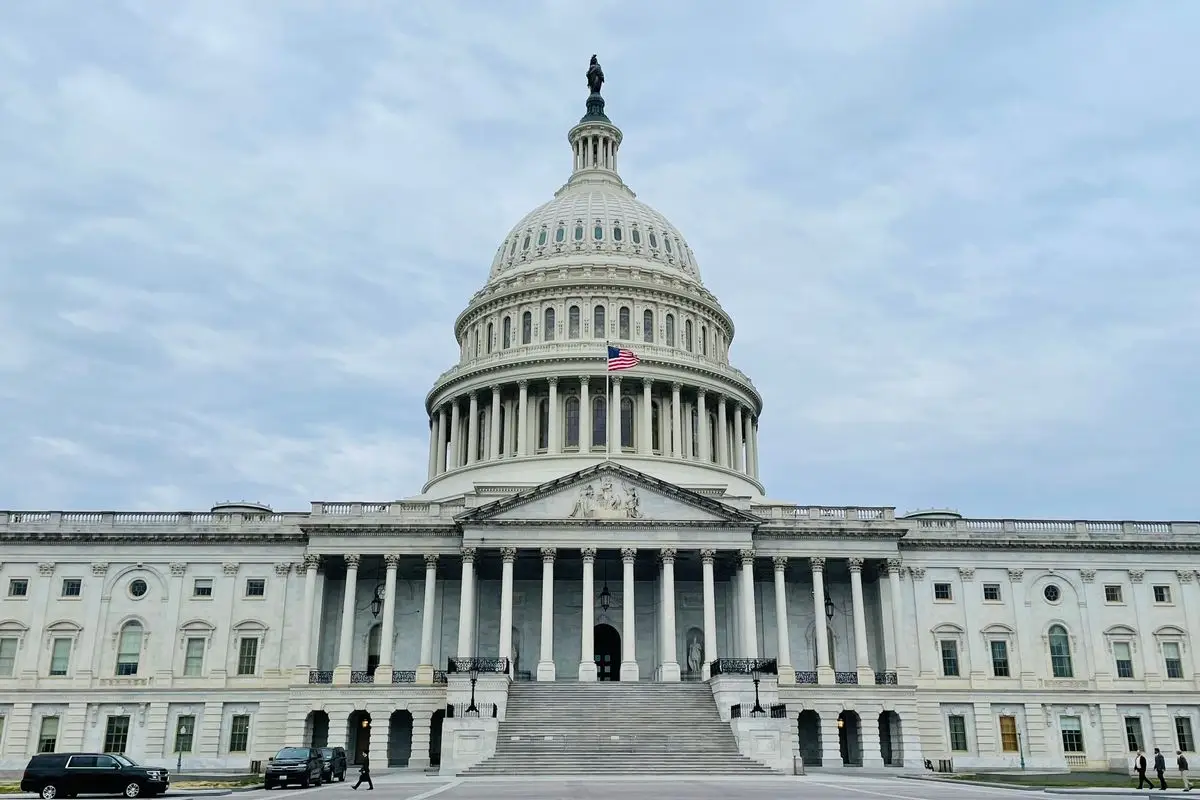
The Democrats’ victory in the U.S. midterm elections has changed the balance of power in Washington and added uncertainty to the outlook for the crypto industry. Markets initially reacted with a sell-off, but Bitcoin and other digital assets recovered alongside U.S. stock futures. The bigger question is what the political shift will mean for the market over the coming year.
Historically, Bitcoin has performed well in the 12 months following U.S. midterm elections. The pattern does not guarantee another rally, however. The change in Congress could also affect different parts of the crypto market in different ways. Bitcoin and stablecoins already have some regulatory foundations in place, while DeFi projects, many altcoins, and newer trading platforms are still waiting for clearer federal rules.
How Bitcoin performed after previous midterms
Bitcoin has been through four U.S. midterm election cycles since its launch. Its price was higher one year after each election than it was on Election Day. According to data from TradingView and CoinDesk, Bitcoin gained 1,579% in the 12 months after the 2010 midterms, 24.1% after the 2014 elections, 44.9% after the 2018 vote and 92.1% after the 2022 midterms.
The 2010 figure needs context. Bitcoin was still a small and relatively unknown market at the time, so that return is not directly comparable with later cycles. Excluding it, Bitcoin gained an average of 53.7% in the year following the three most recent midterm elections.
That history may look encouraging, but the sample is small. It also does not show that the elections themselves caused the gains. Bitcoin’s four-year halving cycle may have played a larger role. Previous post-midterm rallies overlapped with periods after halvings, when the amount of new Bitcoin entering circulation is reduced.
As a result, the historical pattern is worth watching, but it should not be treated as a forecast on its own.
Markets recover after the initial reaction
The election results triggered a cautious response from crypto investors. After Democrats won control of both chambers of Congress, Bitcoin briefly fell to a six-week low before recovering. On November 4, it was trading at around $78,354, up 0.7% on the day. Ether gained 1.4% to $2,323, according to Reuters.
The recovery came as U.S. stock futures also moved higher. It does not necessarily mean that investor confidence has fully returned. The crypto market had already been under pressure before the vote. Its total market value had fallen by roughly $300 billion over the previous month, while Bitcoin remained well below its October 2025 record above $122,000.
Spot Bitcoin ETFs recorded $215 million in net outflows in October, bringing withdrawals since the start of the year to $1.84 billion. On November 5, however, the funds attracted $74.6 million, while spot Ether ETFs took in another $53 million. The latest inflows offer a sign of renewed buying, although one trading session is not enough to establish a lasting trend.
Higher borrowing costs, concerns about returns on AI investments, and security risks following a major Binance hack have also weighed on sentiment. These factors make it difficult to attribute Bitcoin’s recent price moves to the election results alone.
Bitcoin and stablecoins have a different regulatory position
The political shift in Washington is unlikely to affect every part of the crypto market in the same way, according to Tim Sun, Senior Researcher at HashKey.
“This result won’t hit every part of the crypto market the same way. Bitcoin has relatively little riding on Congress. The strategic Bitcoin reserve came from executive action, and a new congressional majority doesn’t automatically undo executive orders. Stablecoins are on firm ground too: the GENIUS Act is law, and the OCC’s final rules take effect in January,” Sun said.
The distinction matters. The U.S. Strategic Bitcoin Reserve was established through an executive order, while the GENIUS Act, signed into law in July 2025, created a federal framework for payment stablecoins. The Office of the Comptroller of the Currency has since issued its final rules implementing the legislation. They are scheduled to take effect on January 18, 2027.
This does not mean that Bitcoin and stablecoins are fully insulated from political decisions. Congress can still influence regulatory oversight and future legislation. But these parts of the market already have measures in place that do not depend on the passage of a new market structure bill.
DeFi and altcoins face a tougher legislative path
The outlook is less clear for decentralized finance, many altcoins, and newer trading businesses. These parts of the industry still need a federal market structure law to clarify which digital assets and platforms fall under the jurisdiction of the Securities and Exchange Commission or the Commodity Futures Trading Commission.
“The parts of the market with the most at stake are DeFi, many altcoins and newer trading businesses. They still need a federal market structure law. With Democrats leading both chambers, the next version of that bill will be negotiated around investor protection, stablecoin yield and market oversight. Those were the sticking points before. Now they’re the starting points,” Sun said.
The change in Congress makes the future of the CLARITY Act more uncertain. The bill was intended to establish clearer rules for the crypto market and define the responsibilities of federal regulators. It failed to advance in September, even when Republicans controlled both chambers. With Democrats now in charge, the legislation may face additional scrutiny and require substantial changes before it can gain support.
Stablecoin yields, investor protection and oversight of crypto platforms are likely to remain difficult issues in negotiations. Lawmakers may push for stronger safeguards, while industry participants want rules that allow businesses to operate without facing uncertainty over which regulator has authority.
A change in political control does not automatically rule out a new agreement. But the bill may need to be renegotiated, and the process could take time. For projects that depend on clearer federal rules, delays are an additional source of uncertainty.
Wall Street may matter more eventually
Regulation in Washington remains important, but the crypto industry is no longer developing solely around decisions made by lawmakers. Large financial institutions are adding digital asset services to their existing businesses, including custody, payments and trading.
Sun believes this shift could become a more lasting source of support for the industry than political decisions alone.
“Longer term, crypto’s staying power may come less from Washington and more from Wall Street. Custody, payments and trading are already built into large financial institutions. Once those businesses earn steady revenue, the institutions running them have their own reasons to defend the rules behind them,” he said.
As traditional financial institutions generate revenue from digital asset offerings, they have a stronger interest in clear and workable rules. This does not mean they will agree on every detail, but a growing number of established players now have reasons to support a viable regulatory framework.
What to expect from crypto in 2027
Bitcoin’s performance after previous midterm elections gives investors a historical reason to watch the coming year closely. The current cycle has its challenges, however. Democratic control of Congress may create more difficulties for new regulation covering DeFi, altcoins and trading platforms. Bitcoin and payment stablecoins, by contrast, already operate under existing regulatory foundations.
Investors will be watching the next steps on the CLARITY Act, the actions of the SEC and CFTC, and whether institutional demand for crypto assets returns. ETF flows and overall market liquidity will also help determine whether the recent recovery proves sustainable.
The post-election gains seen in previous cycles are therefore only one possible scenario, not a guarantee. Bitcoin may follow a different path from altcoins and DeFi projects, whose prospects will depend more heavily on the direction of U.S. crypto regulation.