In this conversation, Zac Cohen, Chief Product Officer at Trulioo, shares insights on how the company is advancing secure, AI-driven payments through its integration with Google’s Agent Payments Protocol (AP2).

Trulioo, a global leader in identity verification for both individuals and businesses, has already supported Google in KYC, fraud prevention, and abuse mitigation across its payments ecosystem. For a few weeks now, since joining AP2, Trulioo is helping to strengthen the identity layer behind agent-led transactions, ensuring safer and more trustworthy payment experiences in an increasingly AI-powered digital landscape.
PaySpace Magazine Global spoke to Zac Cohen, Chief Product Officer at Trulioo to discuss this collaboration in more detail.
What are the main tech and trust challenges the industry needs to overcome today to enable secure growth of agent-driven payments in the digital e-commerce economy?
One of the biggest challenges today is the absence of an identity-based trust layer for agentic commerce. Before autonomous agents can participate safely in digital transactions, we must be able to establish and verify the identity of the agent itself, as well as the people who build and deploy it. Equally important is capturing the mandate and intent of every transaction so liability is clear as responsibility shifts from humans to autonomous systems. This is precisely where Trulioo is positioned to lead, by providing the identity trust layer required to verify agents, bind them to real individuals or organizations, and ensure each transaction is executed with authenticated intent.
How do Trulioo identity verification and trust solutions enhance Google’s Agent Payments Protocol (AP2) and address those challenges?
Trulioo brings a critical capability to AP2: Know Your Agent (KYA). This solution is the identity layer that verifies who built the agent, who is using it, and what the agent is authorized to do. Essentially, KYA captures mandate and intent for every transaction and validates the agent’s behavior to ensure it operates within its approved scope. This trust framework is powered by our Digital Agent Passport (DAP), a recently developed lightweight and tamper-proof token that travels with each payment or API call. Together, these provide the trusted identity, intent, and integrity layer that AP2 needs to enable secure, scalable agent-driven payments across the ecosystem.
There are several big tech players working on agentic payment protocols today. Why did you choose to join Google’s initiative, among other options?
Google is demonstrating real leadership by proactively establishing the guardrails and protocols needed for agentic commerce to scale safely. Their approach aligns closely with our belief that an identity trust layer is essential for this new ecosystem. By collaborating with Google, we’re validating the market’s recognition that identity must be foundational to any agent-driven payments protocol. At the same time, Trulioo KYA is agnostic and fully compatible with any protocol. We’re excited to support AP2, and we expect every major protocol to require similar trust capabilities. Our technology is designed to power them all.
Could you tell us a little bit more about the scope of your AP2 collaboration with Google, and, perhaps, other fintech organizations that support this open protocol? What is your ultimate vision for this joint project?
Our collaboration with Google centers on delivering the trust and identity infrastructure that underpins the AP2 framework. Having a neutral, third-party provider (like Trulioo) administer and verify intent is critical for reducing risk and enabling interoperability. Our long-term vision is to help establish a universal identity layer for agentic commerce, one that can be used across the ecosystem, regardless of the protocol or platform. This foundation will allow autonomous payments to scale safely while ensuring transparency, accountability, and user protection
Judging from the current state of tech infrastructure stack underpinning potential agent payments, do you believe that AI-driven commercial transactions will scale already in 2026 or is it too early to expect the mass use?
2025 was about experimentation; 2026 will be about implementation. We expect meaningful scale next year, and it will be interesting to see how its growth compares to traditional e-commerce. As regulation and liability frameworks continue to evolve, agent-driven transactions, trust, and mass adoption will follow. It’s an exciting inflection point: the moment when early proofs of concept begin transforming into real, reliable, revenue-generating use cases.
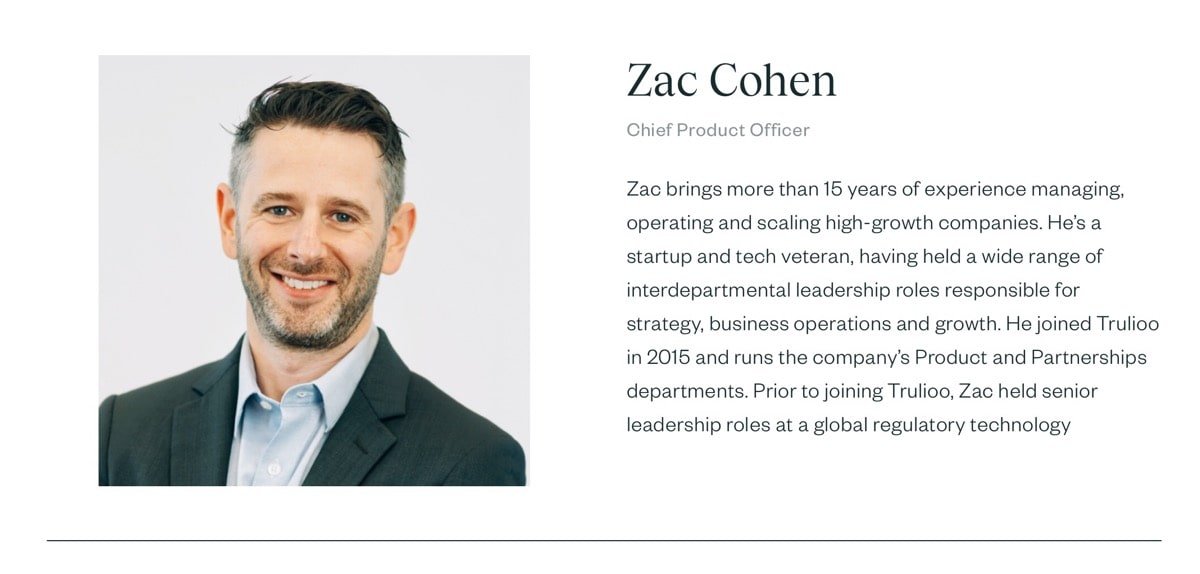
Image: Trulioo