The advent of no-interest installment payments, aka BNPL, has been a life-changing experience for many shoppers worldwide. What used to be an acceptable way to cover the cost of select high-ticket purchases only is now a common payment method for literally everything. Is this utmost payment flexibility a good or bad thing for end consumers and merchants? This article aims to find out.
What Is BNPL Anyway?
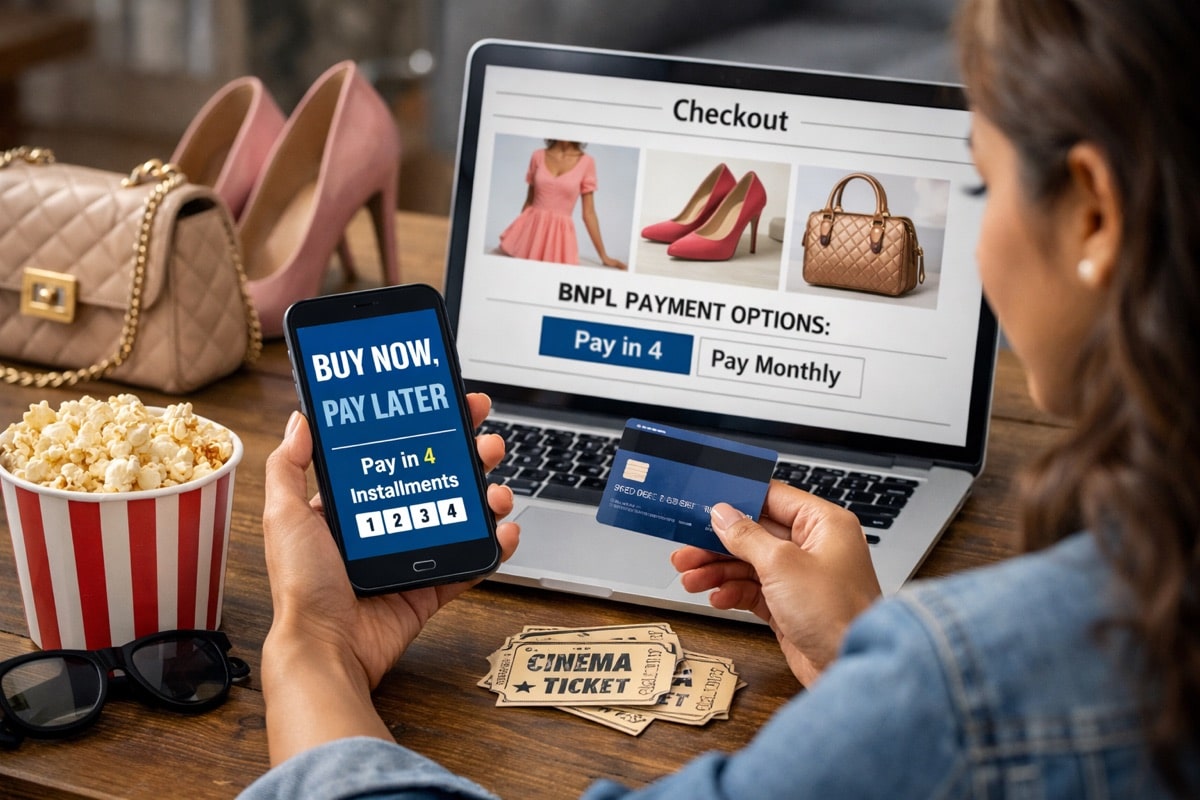
BNPL is a short way of saying Buy Now Pay Later – a compelling concept today embraced by about 400 million people worldwide. In essence, BNPL is just another form of a credit payment, where you divide the whole purchase sum into smaller installments and pay them over time. What is different, though, from the earlier forms of installment payments is its simplicity and effortlessness.
Before the early 2000s, installment purchasing was largely paper-based and heavily regulated. In a digital era, the concept of store credit was modernized and brought en masse by fintech BNPL pioneers like Klarna, Affirm, and Afterpay. Later on, PayPal and even Apple joined the “pay later” wave, while original installment providers expanded their services.
BNPL purchases have grown increasingly popular, as they are now available automatically at checkout, with no extra customer data needed; you just choose an available installment plan as a preferred method of payment. In many cases, BNPL loans also do not depend on traditional credit report data, so users typically excluded from getting credit can also access some payment flexibility on favourable terms.
BNPL terms are favourable, indeed, compared to traditional credit card balances. To begin with, you typically pay no or really tiny interest (that is, if you pay what’s due on time). Secondly, if you buy something with a credit card, the total purchase amount might be outstanding for maximum two months (most often less) without extra fees. In case of installment payments, you may spread the cost for a term from 6 weeks to 36 months (depending on the service, purchase value and other factors). All this comes with predictable payment sums and schedule. What’s not to like?
How Popular Is BNPL?
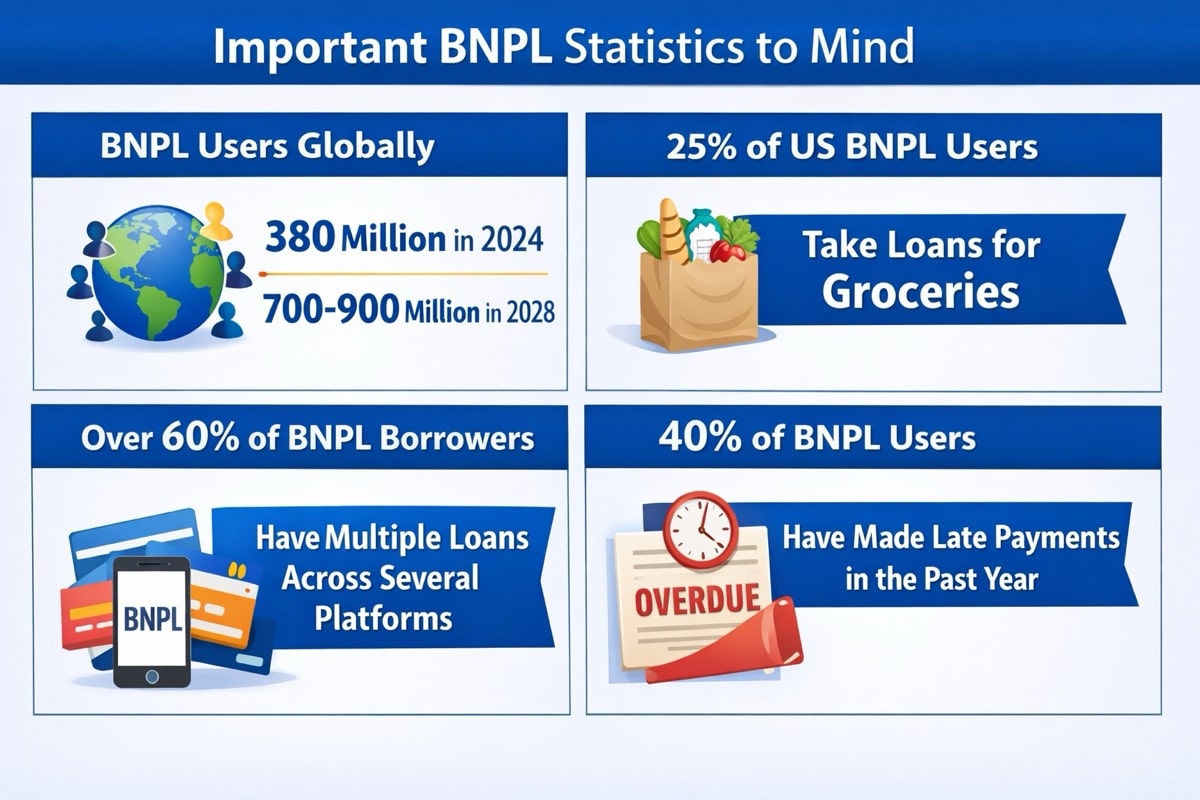
In fact, people all over the world do like the BNPL payments. In 2024, about 380 million people globally were actively leveraging this type of installment payments. Over half of the global population has engaged in BNPL purchases at least once. Notably, their number is predicted to grow up to between 670 million and 900 million by 2028.
More than one-third of global BNPL users reside in North America, Europe and Asia-Pacific don’t trail far behind, having about 100 million BNPL customers each.
Being a digital payment tool most suitable for e-commerce and mobile shopping, BNPL is most popular among younger cohorts (Millennials and Gen Z). However, older consumers gradually catch up, especially as living costs rise.
Nowadays, BNPL services have become a mainstream financial tool for hundreds of millions of consumers globally. Their use is most profound in retail segments such as household appliances (49%), tech products (47%), clothing and footwear (41%), furniture (39%), and mobile phones (36%), according to the Central Bank of Ireland. While stats may differ in other countries, the situation is mostly similar. All over the globe, about 40% of BNPL revenue comes from apparel, reflecting that regular wardrobe purchases (not only luxury fashion) are a core use case.
In the U.S., nearly two in three consumers prefer Pay Later options for travel purchases, and more than half use BNPL for events and entertainment.
Although traditionally, BNPL has been more associated with discretionary spending rather than essentials, recent data shows a notable rise in basic categories such as groceries, gasoline, health, and beauty products. An astonishing U.S. survey showed that in 2025, 25% of users used the BNPL service for groceries — up from 14% the previous year.
BNPL transactions tend to cluster in mid-range price points, and are typically limited to the mid-range purchases, though select BNPL services, e.g. Ukrainian “market by mono” marketplace, offer installment payment options on literally every item, big and small.
Hidden Pitfalls of Using BNPL
Like every other financial service, BNPL loans have their risks for consumers and banks.
Loan Stacking
One of the most significant risks with BNPL is “loan stacking” — consumers taking multiple small BNPL loans from different providers at the same time. They’re harder to track, and it’s easier to underestimate their total worth, which often leads to debt accumulation with further rearrangement to more costly types of loans.
This situation is common. Studies show that over 60% of BNPL borrowers have multiple overlapping loans across several platforms, creating hidden debt burdens that are not reflected in creditworthiness reports.
Illusion of Affordability
Consumers who actually handle multiple commitments see a positive balance enough to pay the first installment, and often don’t consider the full picture: how much they will owe in a month or so and whether they’ll have enough extra money to cover those debts. In case of aggregating loans, it’s easy to miscalculate the affordability until the debt becomes unsustainable. Therefore, consumers may overspend beyond what they can afford, buying items they wouldn’t otherwise purchase in so-called impulse spending patterns.
BNPL’s lack of reporting to credit bureaus can also create a false creditworthiness profile. This “invisible debt” can harm consumers in two ways. First, those who manage multiple BNPL loans responsibly and pay on time do not get credit for that, and may have no credit score boost, which would typically happen if a person paid off personal loans. On the other hand, people may have seemingly low reported debt load, while in fact they are already heavily stuck in the BNPL loans pit. When they get additional credit, payment providers have higher risks of late or no payments without realizing it. Besides, missed BNPL payments can be reported to credit bureaus as well and negatively impact credit scores.
Late Payments Lead to Extra Fees
Zero-fees that initially make BNPL so attractive can disappear as soon as the person is unable to follow the installment schedule. That leads to rising monthly obligations, eliminating one of the main perceived benefits of predictability. Data indicates that around 40% of BNPL users have made late payments in the past year, with the figure climbing among younger consumers.
Gaps in Consumer Protection
Many (but not all) BNPL products are not covered by traditional lending regulations; therefore, consumers may have limited protections compared to credit cards or bank loans. Dispute resolution, billing clarity, and fee disclosures are also often weaker, so that borrowers may be more exposed to risks if such issues arise.
In some jurisdictions, like UK, these risks are already being addressed by the government. Thus, UK regulators are planning to bring BNPL under formal credit rules in 2026, meaning such loan providers will be required to conduct affordability checks, support customers in financial difficulty, and allow complaints to be escalated to the Financial Ombudsman Service (similar to protections for traditional credit products).
Using BNPL Responsibly Helps Avoid Unsustainable Debt
BNPL is in fact one of the most convenient budgeting tools available today, but only if approached thoughtfully. Below are several simple, real-life strategies that help consumers enjoy installment payments without falling into a debt spiral.
- Treat BNPL as real credit, not “free money”
Even if installments look small and interest-free, the full purchase amount is still a debt commitment. Thinking about it as a loan helps prevent impulsive buying. - Always calculate the total repayment amount
Before clicking “pay later,” add up all installments across all purchases and see how they line up with your income and regular expenses. If the full sum feels uncomfortable, or adding the monthly payment to the stack of previous loans creates too many aggregate obligations, the purchase is probably not affordable right now. Such reality checks should be conducted on a regular basis, say, monthly, to maintain control of your budget. - Limit yourself to one or two BNPL plans at a time
Multiple overlapping loans are the fastest way to lose track of what is owed. A simple personal cap, for example, no more than two or four active BNPL loans, greatly reduces the risk of stacking debt. - Prioritize essentials and planned purchases over impulse shopping
BNPL works best for pre-planned, necessary purchases with predictable budgets (appliances, tech for studies or work), not spontaneous shopping triggered by discounts. - Set calendar reminders for repayment dates
Most missed payments happen simply because people forget. Automating reminders or using auto-pay when possible helps avoid fees and credit score damage. Many BNPL services do provide autopayments as default option. However, if that’s not the case, you should take care of timely payments on your own. - Keep an emergency buffer in your account
Unexpected expenses happen. A small savings cushion prevents a single late payment fee from snowballing into larger debt problems. - Check whether late payments affect your credit score
Some BNPL providers report to credit bureaus, others don’t, and policies may change. Knowing how your service handles reporting helps you better manage future borrowing. - Compare BNPL with other payment methods before choosing
Sometimes a standard debit purchase, short-term savings goal, or a low-interest installment from a merchant may be less risky. BNPL should be a choice, not necessarily the default option.
What BNPL Providers Can Do to Keep Users Safe
Fintech companies also play a major role in preventing harmful borrowing behavior. Responsible BNPL design can significantly reduce the risk of debt traps.
- Introduce meaningful affordability and creditworthiness checks
Evaluating income, existing obligations, and overlapping loans helps stop over-extension before it happens, especially for frequent repeat use. Alternative credit scores that use additional data besides traditional agencies’ insights might be helpful. - Provide clear, transparent disclosures in plain language
Simple explanations of fees, consequences of late payments, and total costs allow users to make informed decisions instead of being unpleasantly surprised later. - Monitor loan stacking and offer proactive hardship support
Early warning systems that detect multiple simultaneous BNPL loans combined with options like payment plans or temporary pauses help customers avoid default escalation.