New research from Lloyds Merchant Services reveals how contactless payments, mobile wallets and integrated systems are reshaping hospitality and restaurant experience, and why busy occasions like Mother’s Day put the spotlight squarely on checkout.
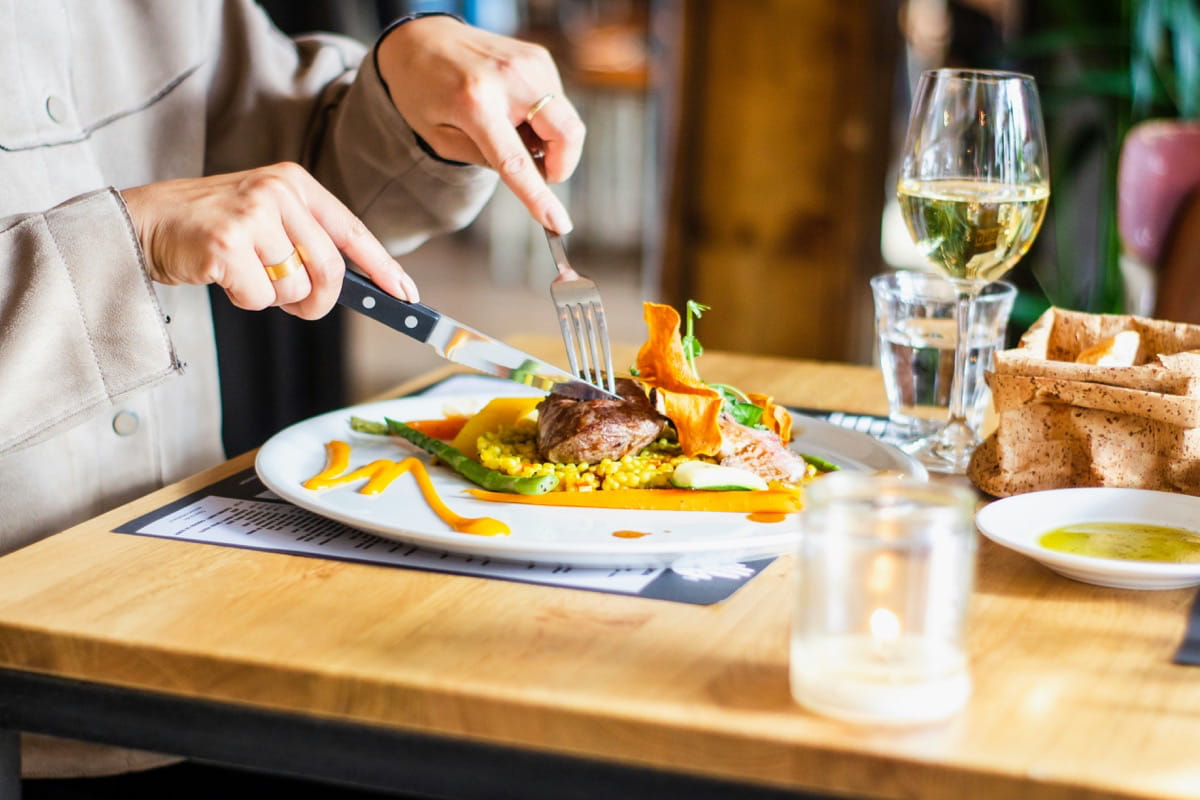
As restaurants and pubs gear up for one of their busiest trading days of the year, new data from Lloyds Merchant Services puts payment technology firmly in the frame as a driver of customer satisfaction in UK hospitality venues.
The research, published ahead of Mother’s Day 2026, surveyed hospitality businesses across the UK on their payment infrastructure and customer expectations. The findings land at a moment when the sector is navigating rapid shifts in how people pay and how much they notice when the payment experience goes wrong.
Contactless Is Now the Norm and Guests Expect It
The headline finding shows that 77% of hospitality businesses say contactless is now the most requested way to pay, with 44% also reporting growing demand for mobile wallets. This goes in line with broader UK payment trends: contactless payments accounted for 94.6% of eligible in-store card transactions in 2024, underlining how embedded the habit has become.
The shift is being further accelerated by regulatory change: from March 2026, the Financial Conduct Authority removed rules setting a single £100 contactless limit on physical cards, giving banks and payment providers flexibility to set their own limits or introduce none at all. For restaurants handling larger group bills, this removes a meaningful point of friction at checkout.
Slow Payments Cost More Than Dinner Wait Time
The Lloyds research surfaces a persistent operational problem for hospitality venues: slow payment processing. According to the study data, 42% of hospitality businesses cite slow processing as a concern during busy service, rising to 49% among restaurants and 48% among pubs. Three in ten businesses say guests occasionally comment on delays, while 15% say they hear this feedback regularly.
On high-footfall dates like the upcoming Mother’s Day, when larger tables occupy more floor space for longer, a sluggish checkout can slow table turnover and affect overall service quality. Faster payments reduce queues, particularly at peak times, while tables turn over more quickly.
Payment Integration Is the Next Frontier
Beyond speed, the research points to deeper financial services integration as a growing priority. One in five hospitality businesses highlighted the need for tighter links between payments, tills, booking and loyalty systems — a figure that reflects the sector’s shift towards interconnected, data-rich operations.
API-first systems are increasingly enabling operators to add new features, from payments and loyalty to mobile ordering, and have everything integrate into one fluid platform. At the same time, restaurants and hospitality businesses still face a lot of friction while trying to address customers’ requests for payment flexibility.
Payment variety is also climbing the agenda. Twenty-four per cent of hospitality businesses say they want greater payment choice, rising to 30% among restaurants. In-venue complexity is growing too: 26% of restaurants say customers ask to pay at the table, while 22% report requests to split the bill — each adding transactions and touchpoints that slow-performing systems struggle to handle seamlessly.
Although the shift to mobile/cloud POS has been rapid in recent years, a vast share of small dining operators in Europe still have old-school, legacy POS systems that cause clients inconveniences and limit payment choices. Unlike e-commerce operators that deal with payment flexibility by introducing BNPL options at checkout or even post-purchase, most restaurants and hospitality businesses lack this functionality as well as the ability to split the bill automatically, relying on third-party fintech providers to cover that gap in customer expectations with their mobile banking and payment solutions.
The Cost of Getting It Wrong
Mother’s Day was the biggest dining day of the entire year in 2025, according to OpenTable data. Year-on-year, the statistics show a 10% year-over-year increase in dining activity. For 2026, 40% of Brits plan to dine out at a restaurant to celebrate. To grab this opportunity, dining venues as well as the broader hospitality sector would need to optimize their payment flows, not to lose revenue at the very moment demand peaks.
Ross Taylor, Managing Director and Head of Payment and Liquidity Sales at Lloyds Merchant Services, framed the stakes simply: “Mother’s Day is all about making mums feel appreciated. With busy venues and lots of ways to pay, seamless payments help everything flow, so teams can concentrate on great service, and families can concentrate on celebrating.”
For hospitality operators, the message is practical. Payment systems need to handle volume, support multiple payment methods, and integrate smoothly into existing service setups, especially when margin for error is lowest.
The full report, From Till to Table: Smarter Payments Driving Innovation in Hospitality, is available via Lloyds Bank’s business resource centre.