Multilateral development banks (MDBs) have reaffirmed their commitment to mobilising greater climate finance, pledging to expand innovative funding mechanisms to strengthen climate adaptation and resilience in developing nations.

“Financing climate resilience is not a cost, but an investment,” was the central message shared by MDB leaders during a side event organised by the Climate Investment Funds (CIF) on the opening day of the 30th United Nations Climate Conference (COP30) in Belém, Brazil. The conference runs from 10 to 21 November.
During a high-level panel on “Accelerating large-scale climate change adaptation,” representatives from the African Development Bank Group, Inter-American Development Bank Group, Asian Development Bank, European Investment Bank, World Bank Group, and others outlined joint efforts to deliver on Paris Agreement commitments through increased and innovative climate financing.
Ilan Goldfajn, President of the Inter-American Development Bank Group, announced that MDBs will triple financing for resilience to $42 billion by 2030, stressing that “resilience is more than a concern for the future: it is also essential for development today.” He added, “At the Inter-American Development Bank, we are turning preparedness into protection and resilience into opportunity.”
Tanja Faller, Director of Technical Evaluation and Monitoring at the Council of Europe Development Bank, highlighted the social dimension of climate change, noting that it “not only creates new threats but also amplifies existing inequalities. The most socially vulnerable people are the hardest hit and the last to recover. This is how a climate crisis also becomes a social crisis.”
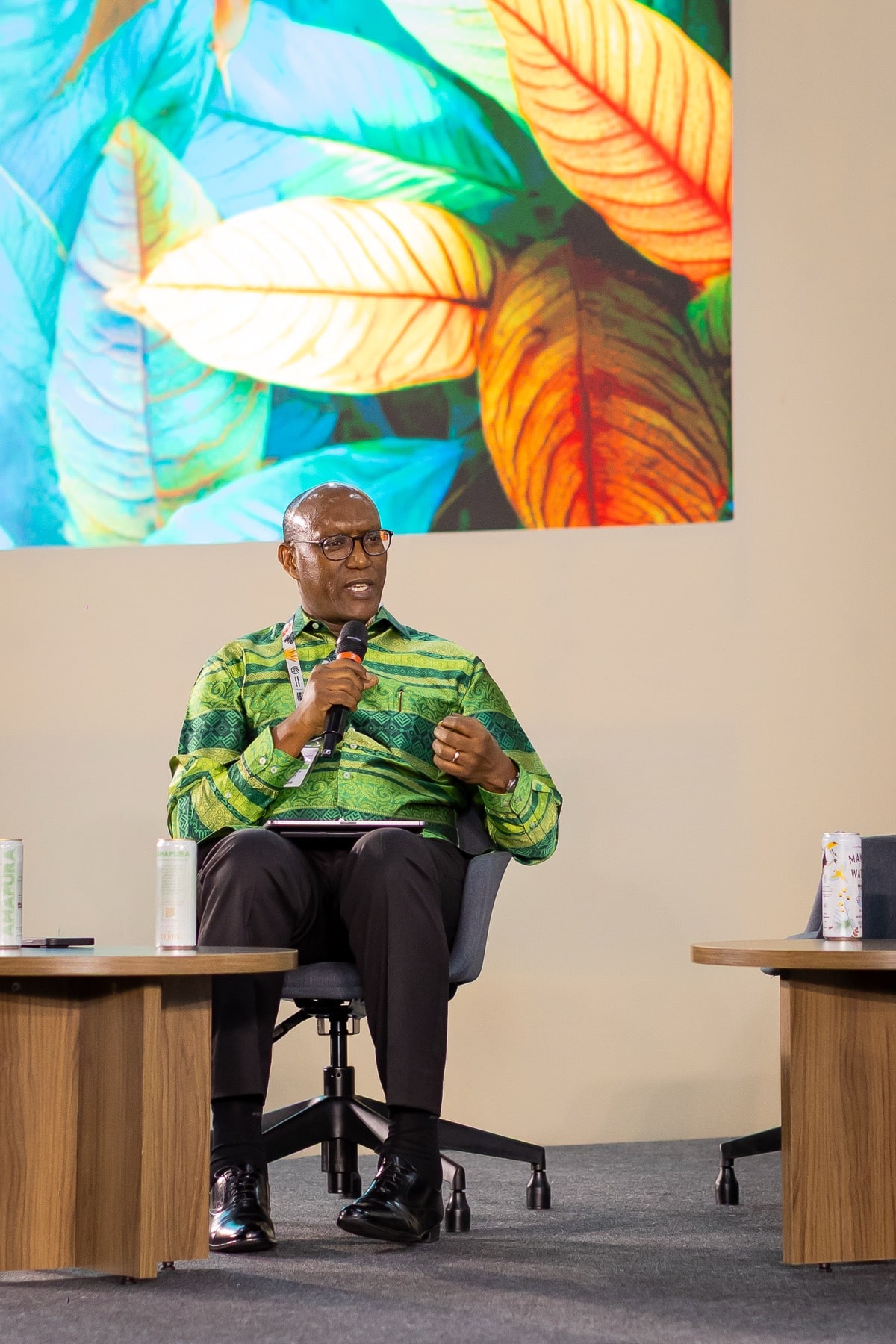
The African Development Bank Group showcased its leadership in advancing adaptation through the Climate Action Window, a new mechanism under the African Development Fund dedicated to low-income countries. Vice President Kevin Kariuki underscored that “adaptation and mitigation are at the heart of our climate interventions,” citing the Bank’s YouthADAPT programme, which has supported 41 youth-led enterprises across 20 African countries and created more than 10,000 jobs.
The panel followed the official opening of COP30, marked by a passionate appeal from Brazilian President Luiz Inácio Lula da Silva for increased global investment in climate action to prevent a “tragedy for humanity.” Lula urged nations to honour their Paris Agreement commitments and accelerate the transition away from fossil fuels and deforestation, stating, “The climate emergency is a crisis of inequality. We must ensure that we live in a world where we can still dream.”
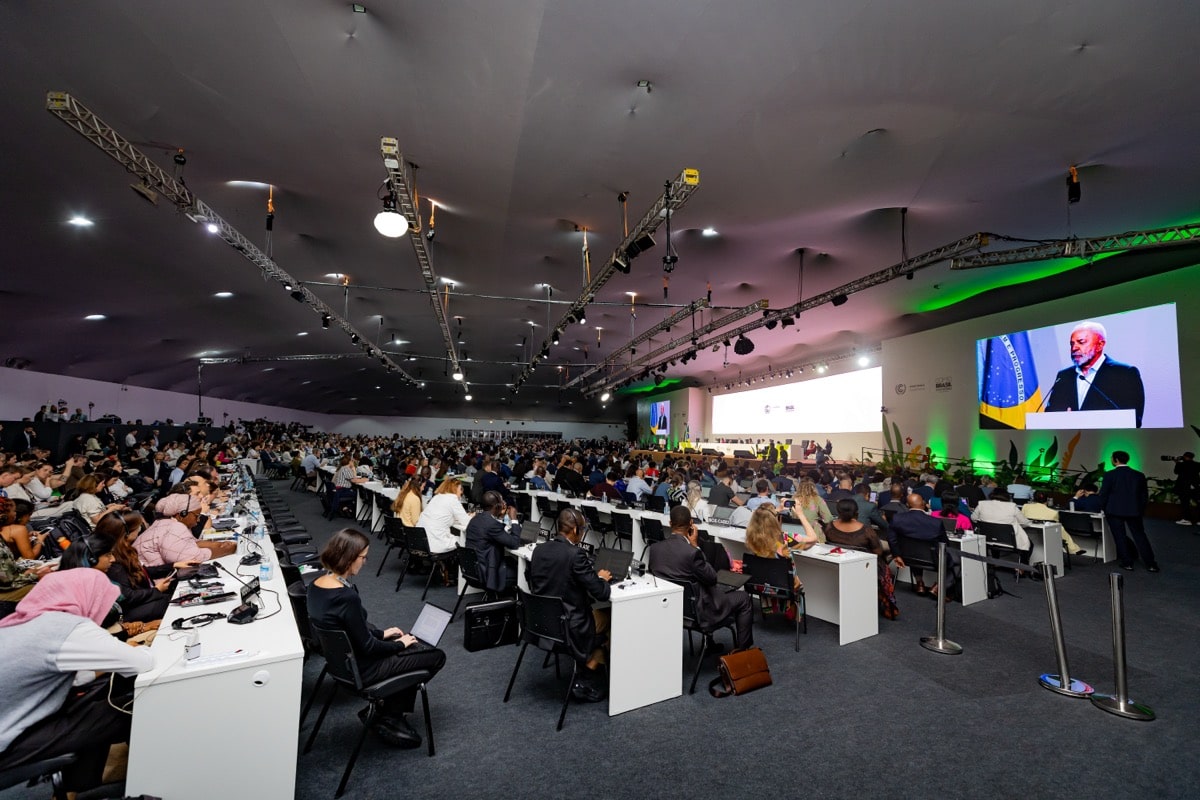
Outgoing COP President Mukhtar Babayev, Azerbaijan’s Minister of Ecology, called on developed countries to deliver on their pledges to mobilise $300 billion in climate finance made at the Baku Conference. He formally handed over the COP presidency to André Corrêa do Lago of Brazil, who will lead the negotiations in Belém.