The world will likely cross the 1.5°C global warming threshold within the next few years, a new UN Environment Programme (UNEP) report concluded Wednesday. Even under the report’s most optimistic scenario, temperatures are now projected to peak at 1.8°C. Most other scenarios put the number higher.
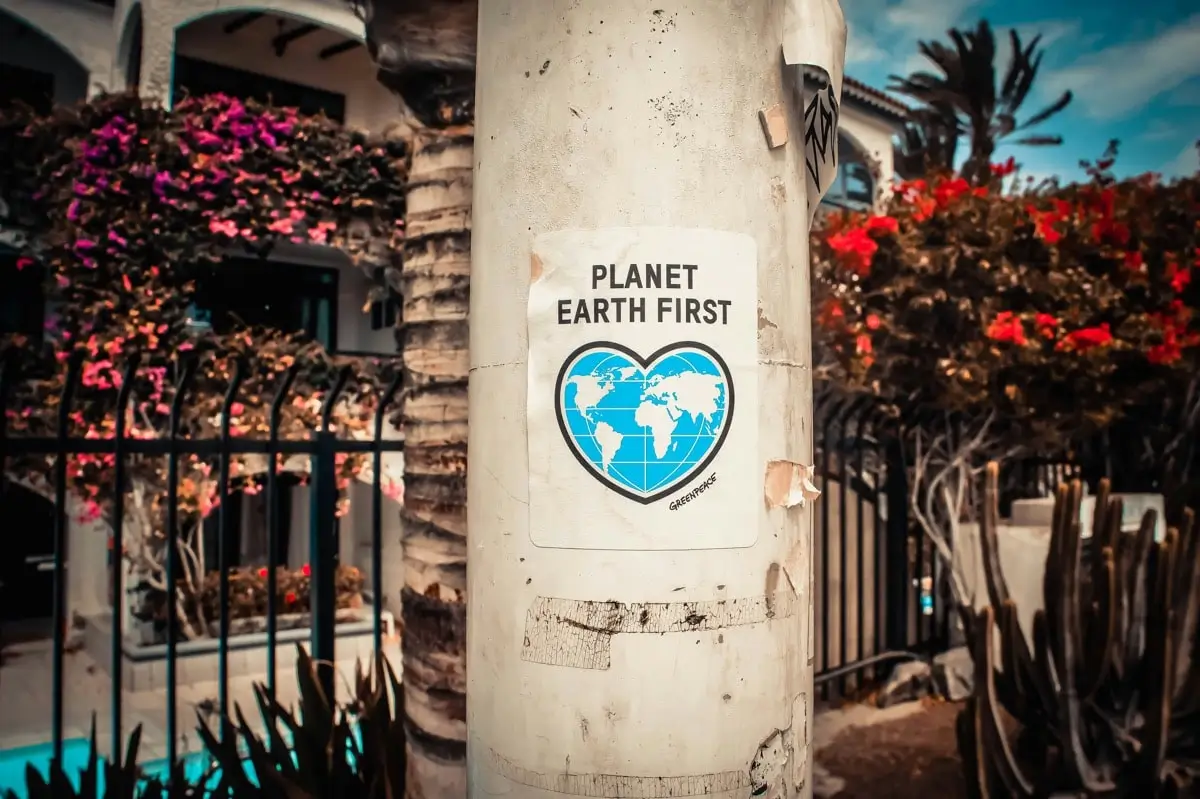
The 1.5°C mark comes from 2015 Paris Agreement on coordinated climate change actions, which set it as the ceiling for temperature rise above pre-industrial levels. Warming has already reached somewhere between 1.2 and 1.4°C, largely from burning coal, oil, and gas. Those fuels release carbon dioxide and other gases that trap heat in the atmosphere, and the effects show up as shifting weather patterns, melting ice sheets, and rising seas.
Still, UNEP report, titled “Limiting Overshoot,” doesn’t read as a surrender. It argues that a path back below 1.5°C remains possible — what the report calls an “overshoot, peak and decline” trajectory — but only if governments move quickly on emissions, methane, and phasing out fossil fuels.
Climate group 350.org picked up on that distinction in its response. Overshoot itself may be locked in at this point, the group said, but how deep it goes and how long it lasts is still up for grabs, decided by the political choices governments make now.
Fenton Lutunatabua of 350.org Pacific pointed to the upcoming Pacific Islands Forum in Palau as a test of that resolve, with pressure mounting on major fossil fuel exporters like Australia to show they’re taking the warning seriously.
“We absolutely have to claw back every fraction of a degree possible. Just because overshoot is deemed inevitable, that doesn’t mean we stop fighting to limit it to as short an overshoot as possible. It is still within our grasp to limit how high temperatures rise and how long they stay above 1.5°C. Every day above 1.5°C is another coastline swallowed, another plantation flooded, another coral reef lost.”
Savio Carvalho, 350.org’s Head of Campaigns and Networks, tied the report back to what’s already happening on the ground. He said:
“We’ve just watched a glacier collapse bury Himalayan communities under mud and water, and we’re watching Pacific nations lose land to the sea in real time.”
The report warns that climate risks compound with every extra fraction of a degree, and with every year the planet spends above 1.5°C. It names several tipping points that become more likely as warming continues: destabilized ice sheets, a degrading Amazon rainforest, and disruption to the Atlantic Meridional Overturning Circulation, the ocean current system that helps regulate climate across the Atlantic.
On carbon removal technology, UNEP is blunt. It can help bring temperatures back down, but only alongside deep, immediate cuts to fossil fuel emissions, not instead of them. The report also singles out countries with the largest historical role in causing the crisis, saying they need to move fastest and furthest.
350.org’s ask, heading into this week’s Pacific Islands Forum, is to treat the report as grounds to speed up the phase-out of coal, oil, and gas, not as an excuse to slow down.