Global financial markets went through a significant sell-off near the end of the month of October of the year 2026.
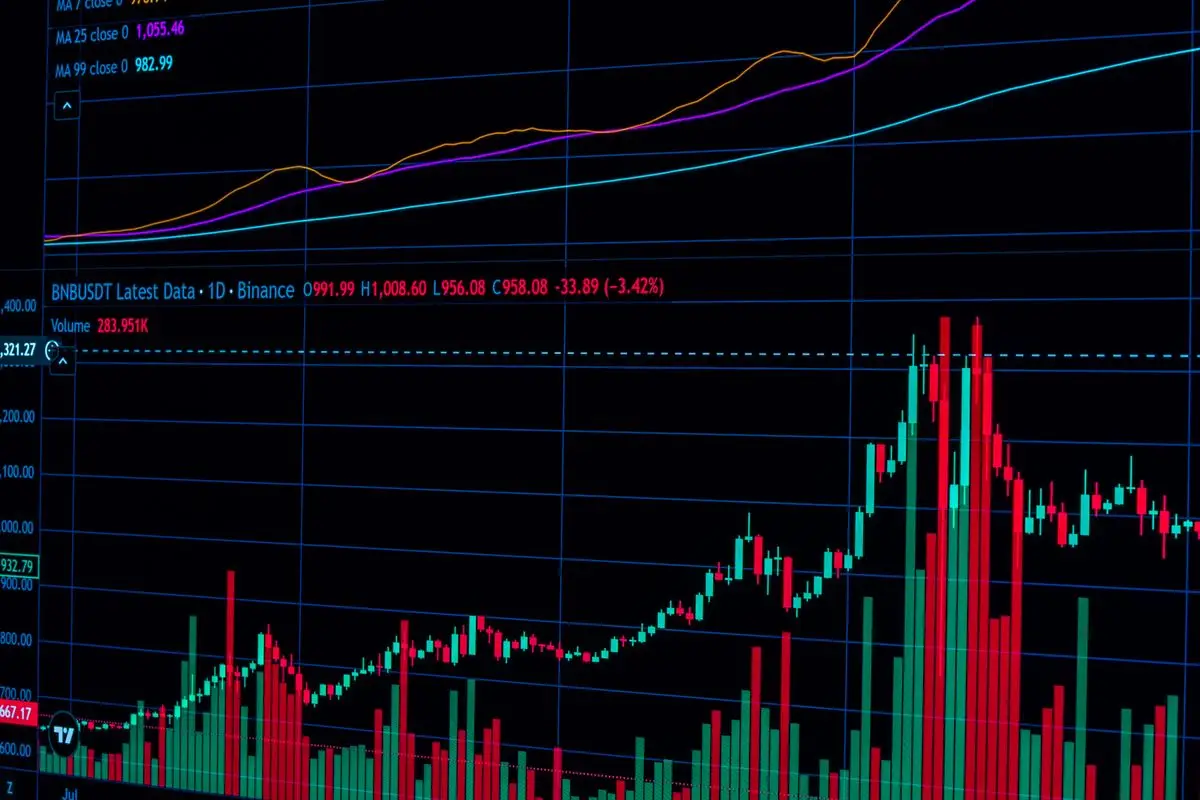
The shares of Alphabet, which is the parent company of Google, fell by 12.6% in a single day. This decline resulted in extensive selling in the artificial intelligence sector and brought down even gold and silver, which are regarded as safe haven assets. The loss in estimates at this point is said to be around $3 trillion globally.
The decline of Alphabet has become one of the most notable incidents during the month. The decline came on top of a series of previous sell-offs. The initial incident was recorded on October 16 when Indonesia’s JCI index lost 11.57%, which was the largest loss since January 1998, when the crisis of Asia was occurring in the region.
The index provider opened a consultation on potentially moving Indonesia from emerging market to standalone market status, citing concerns about opaque ownership structures, suspected coordinated trading and insufficient evidence that reforms were working.
For funds that track global indexes, such a change is more than a label. If a country leaves an index, some investors may be forced to sell its stocks. Others can start selling in advance, anticipating future outflows. Indonesia has not yet been reclassified. MSCI is accepting feedback until April 30, 2027, and plans to announce a final decision by the end of June.
The market, however, has already priced in the risk. After the exchange said it intended to remove companies with high ownership concentration from the main index, the JCI rebounded roughly 5% on October 20. That move does not by itself resolve questions of transparency and investor protection.
The technology-heavy markets of Asia came under pressure for different reasons. South Korea is particularly sensitive to the outlook for memory makers and other AI infrastructure suppliers. On October 15, the KOSPI fell 7.57% and the KOSDAQ dropped 7.65%, triggering temporary trading halts.
The same day, Japan’s Nikkei 225 lost 4.9% and Taiwan’s TAIEX declined 3.41%. The synchronized moves showed how closely linked expectations have become around chip manufacturers, equipment suppliers and computing infrastructure across the region.
The problem is not necessarily that demand for artificial intelligence has disappeared. What is relevant for stock prices is whether future profits will match the expectations already built into valuations. A company can increase sales and still see its shares fall if investors had counted on even stronger results or now view spending as excessive.
Higher interest rates add to the pressure in two ways. Borrowing to build data centers and buy equipment becomes pricier, and the present value of profits expected years from now declines. For expensive stocks with large growth expectations, even a modest change in assumptions can lead to a significant revaluation.
In the United States, the Nasdaq fell 4.5% in the week to October 16, while the S&P 500 lost 1.9%. France’s CAC 40 was down about 10% from its August peak as of October 20 amid political and budget uncertainty. In India, smaller and mid-sized companies were hit hardest on October 23.
The China-Hong Kong market fell roughly 3% on October 22. These moves were uneven, but they shared a common background: more expensive financing made vulnerabilities that had been masked by rising prices more visible.
Alphabet’s late-month drop showed how tightly linked expectations around major technology companies are to the broader AI sector. When one key stock falls sharply, selling quickly spreads to related names.
The fact that gold and silver also declined points to a broader reduction in risk appetite, not just problems at individual companies. Investors appeared to be cutting exposure across both growth-oriented and traditionally defensive assets.
Recovery will depend on several factors. Technology companies will need to show that heavy spending on artificial intelligence can translate into profits that justify current valuations. The outcome of MSCI’s review of Indonesia will matter for emerging-market flows.
Political and budget developments in France will influence European assets. For now, October has become a month in which higher financing costs exposed weaknesses that earlier gains had hidden.
The scale of the losses, from Indonesia’s near-30-year daily record to the multi-trillion-dollar hit tied to Alphabet and the AI complex, has left markets more sensitive to any further signs that growth expectations are being revised downward.