In just one year, the world lost green space of an area close to the size of Paris, but Nordic countries stand apart global trend, with half of their largest cities’ urban landscapes covered in trees and plants.
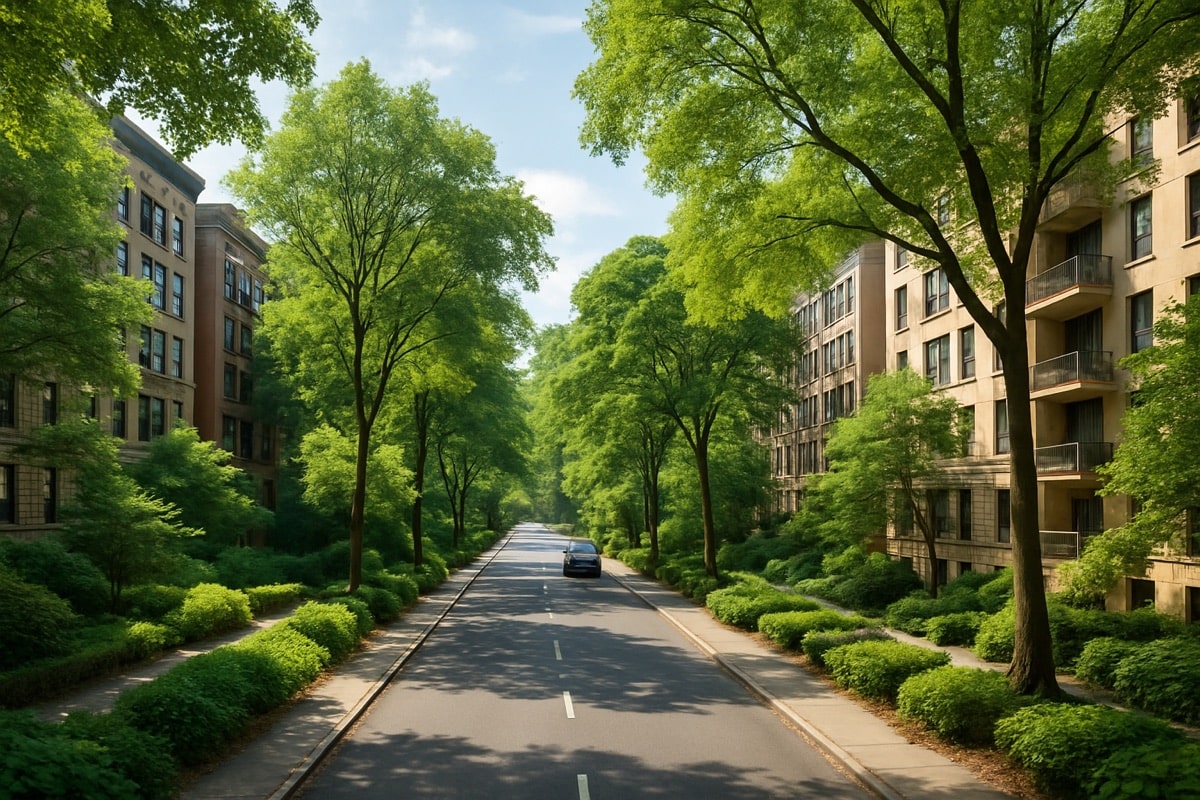
The Husqvarna Group has released its Urban Green Space Insights (HUGSI) Report 2025, analysing 516 cities across 80 countries via AI and satellite data. The findings show a global reduction of approximately 95 million m² of green space between 2023 and 2024 — an area nearly the size of the city of Paris. 73 % of the cities included in the study recorded net losses of greenery.
In Europe, the average green-space share was 46 % and yet still shrank: among 418 European cities, there was a net loss of 13.3 million m² (which equates to over 1,800 football fields).
By contrast, the Nordic region stands out as a strong performer: the 40 largest Nordic cities averaged 49 % green coverage, with a comparatively small net decrease of 385,000 m².
Urban green spaces play a critical role in managing heat, improving air quality, supporting biodiversity, and enhancing mental and physical well-being. As cities expand, maintaining and growing green areas becomes increasingly difficult but essential.
One way to reverse the trend is through targeted green financing. For example, there are funds dedicated to tree planting, park rehabilitation, urban forestry, and “nature-based solutions” integrated into city development plans.
The Nordic countries already employ strong public and private mechanisms for environmental investment, such as green bonds, low-interest public loans for urban greening, and integration of sustainability metrics into city planning.
By channeling capital toward the creation and maintenance of urban green infrastructure, cities can accelerate recovery of lost green space, and reduce future declines. In this respect, Nordic cities may offer a model for how investment in green urban infrastructure can align financial growth with ecological and social benefits.