As the U.S. economy enters 2026, official economic forecasts paint a cautiously optimistic picture on paper — even as consumer sentiment plummets and public confidence crumbles.
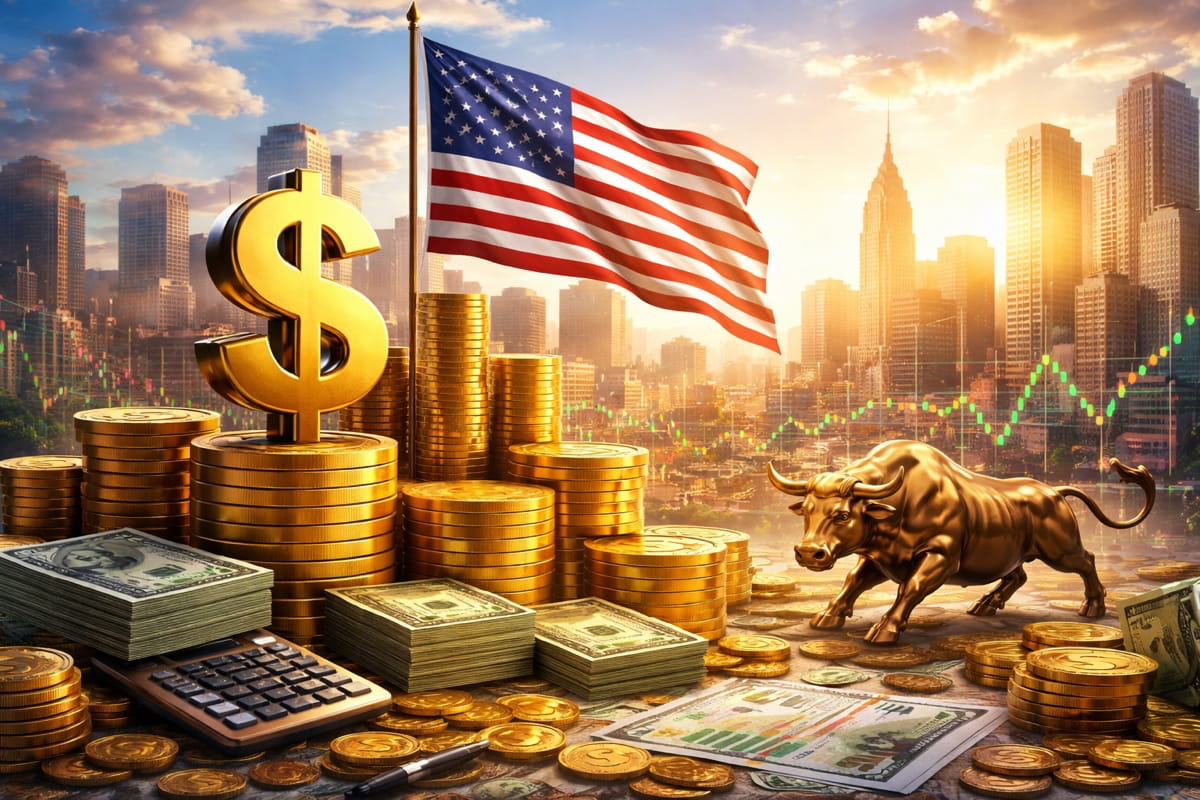
Federal projections released this March show that the Federal Reserve expects the U.S. economy to continue growing modestly over the next few years. According to the Fed’s median forecasts, real GDP growth is projected at roughly 2.3–2.4% in 2026, while inflation is expected to edge closer to target levels by 2027 and unemployment is forecast to peak around 4.5% before slowly declining.
On paper, these figures suggest a stable macroeconomic environment, not a downturn or recession. Inflation, while above the Fed’s long‑run target of 2%, is expected to ease from current levels to around 2.4% by Q4 2026. Yet public mood tells a very different story.
Growing Pessimism on the Ground
A recent poll shows that 59% of Americans now believe the U.S. economy is getting worse, up sharply from earlier readings and the highest level since late 2022, according to data compiled by Statista.
This sentiment shift has occurred even as inflation has cooled slightly from its worst peaks of recent years, highlighting a growing disconnect between headline economic data and people’s day‑to‑day experiences.
Much of this shift appears tied to rising energy and gasoline prices linked to global geopolitical tensions, particularly the ongoing Iran war. Higher fuel costs have a direct effect on household expenses, and polls indicate that among Americans saying the economy is getting worse, many point to rising costs of living as a core reason for their pessimism.
Partisan and Personal Divides in Economic Mood
Another major factor shaping public attitudes is partisanship. Recent surveys show that Americans’ views on the economy differ sharply along political lines.
Data from Statista highlights that consumer sentiment varies significantly depending on which political party a person supports. Republicans tend to report higher confidence in the economy when a Republican president is in office, while Democrats are more pessimistic, even when overarching economic indicators are stable.
In practical terms, this means two Americans looking at the same unemployment, inflation, and GDP growth numbers might draw completely different conclusions about whether the economy is in good shape.
Why Public Sentiment Matters
Economists pay close attention to consumer sentiment because it influences purchasing, investing and woider financial behavior. When households believe the economy is worsening, they tend to:
- Delay big purchases like homes and cars
- Reduce discretionary spending
- Increase savings
- Become more cautious about borrowing
All of these behaviors can, in turn, slow economic growth, even if official metrics like GDP and unemployment remain relatively healthy. For example, despite strong economic growth figures reported in the first half of 2025, including an above‑average expansion in one quarter, many Americans continued to express anxiety about their financial futures and falling consumer confidence. Therefore, momentum weakened sharply late in the year. Revised figures show that real GDP expanded by only 0.7% annualized in Q4 2025, down from strong gains earlier and lower than previously estimated. Consumer spending and exports slowed as well, reflecting broader cooling in economic activity.
Disconnect Between Data and Experience
This divergence between macroeconomic data and public sentiment isn’t entirely new, but it appears to be widening. On one hand, projections show moderate growth, falling inflation, and an unemployment rate that should stay below historical recession levels. On the other hand, a majority of Americans feel the economy is getting worse, with many citing real pressures like higher living costs, wage stagnation, and job insecurity.
What’s more, even when indicators like inflation improve slightly, households may not immediately feel the benefits in their wallets, particularly if essential costs like food, rent, or fuel remain high. That tension between objective measures and subjective experience is now shaping political discourse, consumer behaviour, and business planning alike, raising a central question for 2026: can the economy recover public confidence even if growth continues on paper?