We offer you a list of the most probable retail trends in 2026 that will be used by the most visionary salesmen
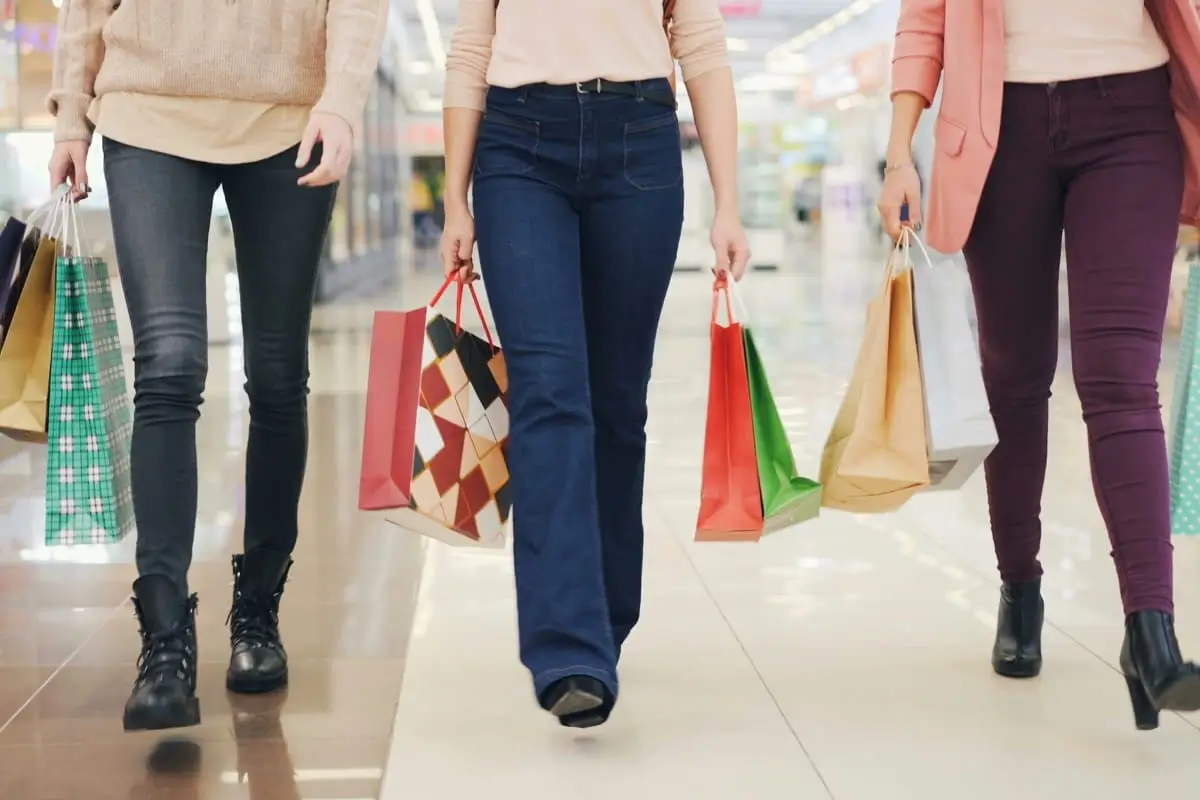
Today the thin line between online and offline/bricks-and-mortar and digital is blurred, and consumers can search online and buy offline, as well as look for an item in a conventional store, and then order it with a smartphone. In this case, if a retailer wants to succeed, they need to adapt to consumers’ buying behaviors, and the sooner, the better.
PaySpace Magazine has prepared a list of the most probable retail trends in 2026 that will be used by most visionary salesmen.
Omnichannel
Omnichannel is a rather well-researched strategy that has helped to improve the user experience for more than a decade. So, we can clearly see that the concept is far from new, but it is supposed to expand significantly.
Top retailers are already implementing new omnichannel options. Buy Online, Pick-up In-Store (BOPIS), and Buy Online, Return In-Store (BORIS) are the most popular ones.
Although implementing this is quite tricky and challenging, the most adventurous and bold salespersons have found a way to handle it. If one wants to succeed in this, the fundamental condition is fully integrated online and offline operations.
For instance, you’ve got a storeroom, website, marketplace, and showroom. But if your system isn’t set up right, your sales channels are probably isolated from each other. Therefore, when a customer finds an item at your website, it could merely be out of stock, but it might be in stock at a showroom, and vice versa. But if the channels are synced, you will never face this unpleasant situation again.
Open-source
The most significant retail giants (Walmart, for example) have already moved to open source, but experts predict that in the future more and more e-commerce players will join the concept.
Let’s consider the pros of open source software usage:
- high customizability;
- avoiding vendor lock-in.
Customers enjoy having access to the codebase, and if someone needs to change a payment option (let’s say, from a credit card to an invoice), one can implement it swiftly and smoothly.
On the other hand, open-source software means that e-commerce players own their information and codes. Therefore, all the intellectual property remains in their control, and they are not tied to a particular system’s requirements.
Conventional stores and showrooms will be equipped with VR/AR/MR, AI, and robots
Multiple retail giants are already using VR/AR today both online and offline. Some retail industry players (like Sephora, or L’Oreal) offer AR online, through the applications downloaded to users’ mobile phones. So, customers can try the look and makeup online, without the need to leave their homes. At the same time, showrooms of Uniqlo stores offer consumers AR in order to change the color of the clothes they’re going to try on, while furniture retailers like IKEA let shoppers preview items in their own living rooms before buying.
AI is quickly becoming the engine behind these experiences. Personalized product recommendations, virtual stylists, and smart assistants that answer questions in real time are turning up both on websites and on the shop floor, and robots are taking over inventory scanning and routine restocking tasks in more and more stores.
Many industry experts are sure that some of the executions of AR/VR/MR won’t last beyond the moment. There is the situation, where we face an issue, whether AR and VR just boost the purchasing process in a new and fun way, or will it be really valuable and beneficial for customers in the long run? For example, facial recognition technology is undoubtedly a convenient novelty, but according to multiple polls, some customers are creeped out by it interfering in their private lives. Therefore, the question remains whether these novelties will cause the customers to turn their backs on them.
Mobile and self-checkout
It is not a big secret that the faster the checkout process is, the more delighted a customer is, hence the better the business outcomes are. Today, the tendency is not even one-click checkout, which in 2026 is often seen as standard rather than extra convenience, but zero-click invisible checkout.
The situation with mobile and self-checkout systems is somehow similar to those of the above-mentioned omnichannel and VR/AR. It means that mobile or self-checkout is not something radically new, and many retailers are already using it, but this option is still not as widespread as it could be. Therefore, we have reasons to believe that mobile checkouts and self-checkout features will become pervasive, at least because speeding up the purchasing process options is in high demand now.
The most popular ways to use this technology are mobile checkout (customers use their mobile phones to scan goods they decided to buy, pay for them inside a store with a digital wallet or tap-to-pay), and mobile self-checkout (shoppers download a special retail application and scan item labels with the help of it). The second option is even more convenient since shoppers don’t even need to interact with a cashier or sales assistant.