As regulation decision-makers in Washington continue their debates on whether stablecoins should function strictly as digital payment tools rather than investment products, stablecoin yield is very much well-leveraged by local investors, who have been actively using onchain tools to earn yield on their stablecoin assets for several years now.
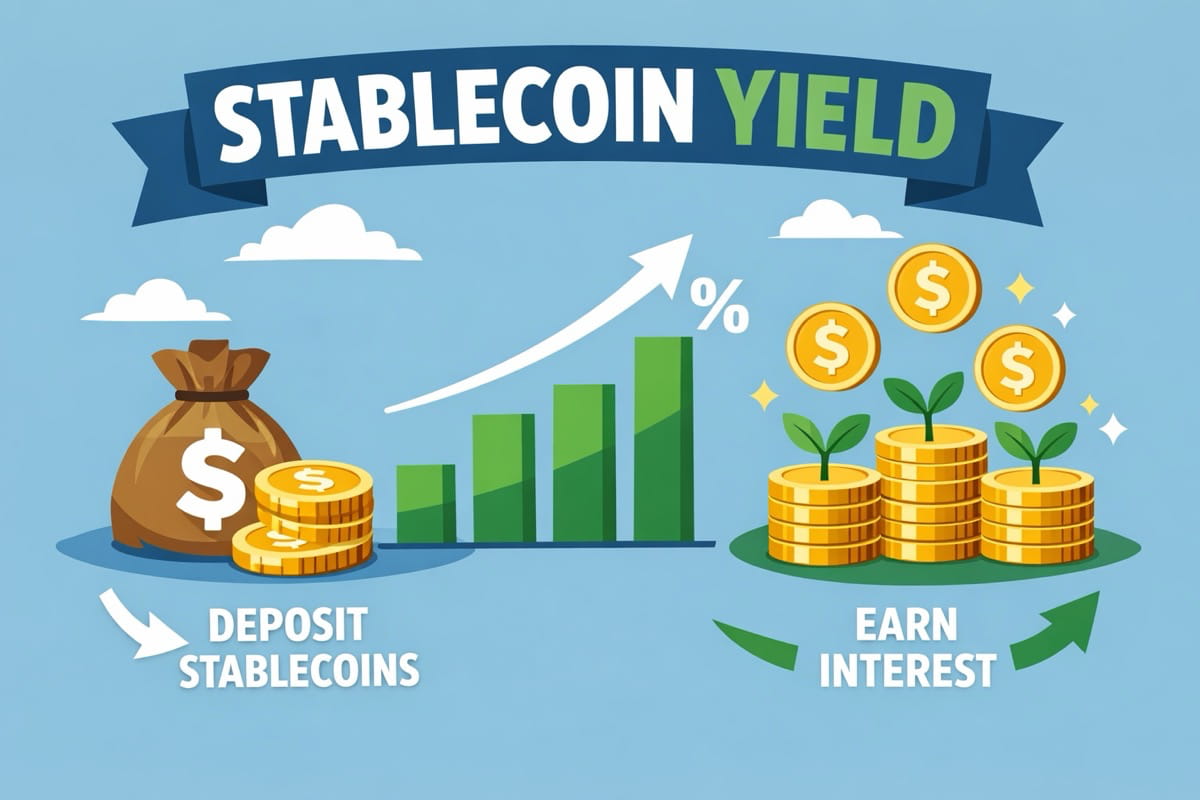
A new study by OKX surveyed 1,000 active U.S. crypto traders only to discover that more than 65% of them have been profiting from the very financial instrument banks are lobbying Congress to restrict. Furthermore, while this solid majority have used onchain tools to earn yield on stablecoins from time to time, over one-quarter is doing so regularly.
The traders surveyed in their majority (about 66%) began actively trading before 2023, having already navigated multiple market cycles with their ups and downs. At the same time, market fluctuations didn’t affect their regular yield-earning patterns. These findings effectively undermine the chances of deposit flight scenario central to the banking industry’s opposition to the GENIUS Act.
As for the main obstacle to leveraging stablecoins for financial gains, most traders (29%) quote security risks and scams as their single biggest barrier to exploring more of the onchain opportunities. On that background, fees and pricing uncertainty remain less relevant.
Among those, who choose stablecoin yield options despite the abovementioned concerns, providing liquidity to stablecoin pools is the most popular strategy, drawing interest from nearly 40% of respondents, followed closely by staking on centralised platforms at just over 36%. Even lending via DeFi protocols appeals to nearly one in five users.
The survey has also unveiled the main industry focus that could define crypto’s next phase of growth. Traders overwhelmingly want control over their assets and trading strategies: 51% prefer to manage most aspects of trading themselves with some automation, and 38% want full responsibility. Only 2% are willing to hand over the wheel entirely.
When asked which onchain tasks they would feel comfortable delegating to an exchange, best-price routing topped the list at 24%, followed by scam detection at 21%, execution timing optimisation at 16%, and bridging at 12%. Only 1% said they would prefer not to delegate anything at all.
Basically, common users want to get rid of operational and security burdens while retaining strategic decision-making lead. Traditional finance solved that tie-up decades ago with orchestration platforms and zero-click checkouts with embedded payment authorisation tools and one that crypto platforms are now being expected to deliver.
Contrary to the voiced control desire, the reality of today’s onchain experience has brought traders numerous obstacles: 25% fear making irreversible mistakes, and 23% struggle with managing multiple applications. Seed phrase management, one-wrong-click finality, and fragmented interfaces are the main friction points keeping experienced traders from going further in their crypto journey even when they want to.
OKX spokesperson commented on this gap:
“Stablecoins aren’t a future use case. They’re already here. Our recent survey of active U.S. crypto traders found that 65% are earning yield on stablecoins onchain, with more than one in four doing it regularly. People are using digital dollars as a practical financial tool right now. The question for the industry is whether the infrastructure is ready to meet that demand at scale, and that’s exactly what we’re building.”
Besides solving the technical infrastructure hurdles, regulatory clarity is viewed by traders as a meaningful adoption accelerant. While U.S. regulators debate on the future of stablecoin yield legal status, 90% of OKX survey respondents expressed positive appeal to a model combining centralised exchange infrastructure with onchain execution.
Consumers strive for custody rules, consumer protections, and liability frameworks. Therefore, more than one-third of research respondents expect centralised exchanges to serve as their primary gateway to onchain markets. Only 16% said they would access onchain markets directly through DeFi platforms.